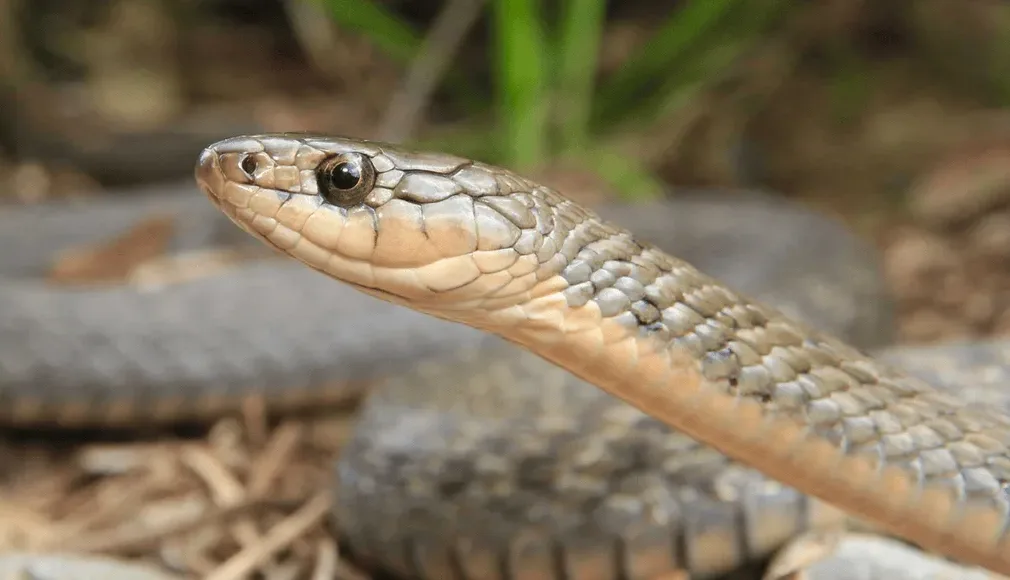
Rare Keelback Snake Northeast India Discovery Highlights Biodiversity

The Rare Keelback Snake Northeast India discovery has drawn attention after scientists from the Wildlife Institute of India documented two rare snake species in the region. The Rakhine Keelback (Herpetoreas davidi) was found in Ngengpui Wildlife Sanctuary, while the Kachin Hills Keelback (Hebius gilhodesi) was recorded in Namdapha National Park and Kamlang Tiger Reserve, highlighting the rich biodiversity of Northeast India.
Thank you for reading this post, don't forget to subscribe!About Keelback Snakes
Keelback snakes are generally non-venomous reptiles known for their adaptability. They are commonly found near water bodies like streams, wetlands, and moist forest areas. These snakes can survive in both wet and dry forest environments, making them an important part of forest ecosystems.
Distinctive Physical Features
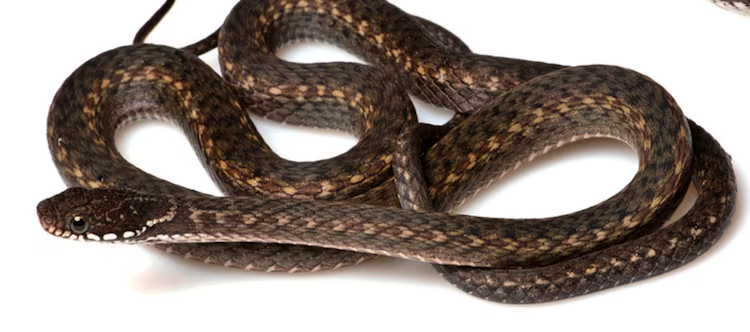
A key feature of keelback snakes is their keeled scales. Each scale has a raised ridge in the center, giving their skin a rough texture. This helps them blend into surroundings such as leaf litter, mud, and wetland plants by reducing light reflection.
Diet and Behaviour
Keelback snakes are carnivorous and mainly feed on frogs, lizards, fish, and tadpoles. They prefer areas with plenty of water and prey. These snakes are often active in moist environments where food is easily available.
Habitat and Ecological Role
Keelback snakes live in wetlands, forests, and areas near freshwater. Their presence is a sign of a healthy ecosystem. They help maintain balance in nature by controlling populations of small animals like amphibians.
Rare Keelback Snake Northeast India Conservation
The discovery of these rare species in protected areas shows the importance of conserving Northeast India’s natural habitats. Regions like Namdapha National Park and Ngengpui Wildlife Sanctuary are vital for protecting unique wildlife. Continuous research and conservation efforts are needed to preserve this rich biodiversity.