


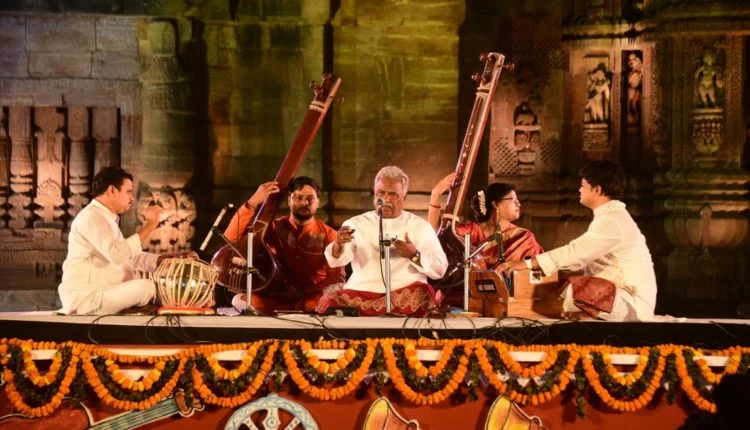
Hindustani Music: A Complete Guide to Indian Classical Tradition

Hindustani Music is one of the two major traditions of Indian classical music, deeply rooted in the cultural and spiritual heritage of India. Practiced mainly in North India, this rich musical form reflects centuries of evolution, blending ancient Vedic traditions with influences from Persian, Arab, and Central Asian cultures. The second major system of Indian classical music is Carnatic music, which developed in South India. Together, these two systems form the backbone of India’s classical music heritage.
Thank you for reading this post, don't forget to subscribe!Origin and Historical Development of Hindustani Music
The roots of Hindustani music can be traced back to ancient Indian scriptures, particularly the Natyashastra written by Bharata. This foundational text on performing arts laid down the principles of music, dance, and drama in India.
Initially, there was a single unified system of Indian classical music. However, around the 14th century, a significant divergence occurred. The northern part of India began to develop a distinct style, which later came to be known as Hindustani music, while the southern region developed Carnatic music.
Hindustani music evolved through:
- Vedic chants and Hindu traditions
- Persian and Islamic influences during the Delhi Sultanate and Mughal periods
- Contributions from Sufi saints and court musicians
This fusion created a unique musical identity that emphasizes improvisation and emotional expression.
Key Features of Hindustani Music
Hindustani music has several defining characteristics:
1. Raga System
The foundation of Hindustani music lies in the raga system. A raga is not just a scale but a framework for melody that includes:
- Specific notes (swaras)
- Ascending and descending patterns
- Emotional expression (rasa)
Each raga is associated with a particular mood, time of day, or season.
2. Tala (Rhythm)
Music is performed within rhythmic cycles known as tala. Popular talas include:
- Teentaal (16 beats)
- Ektaal (12 beats)
- Jhaptal (10 beats)
3. Vocal-Centric Tradition
Hindustani music primarily focuses on vocal performance. Even instrumental music tries to imitate the human voice.
4. Improvisation
One of the most important aspects is improvisation. Artists explore the raga creatively through:
- Alap (slow introduction)
- Taans (fast melodic patterns)
- Bol-banav (expressive singing)
5. Guru-Shishya Parampara
Traditionally, music is taught through the guru-shishya (teacher-disciple) system, ensuring preservation of style and knowledge.
Musical Instruments in Hindustani Music
Some important instruments used in Hindustani music include:
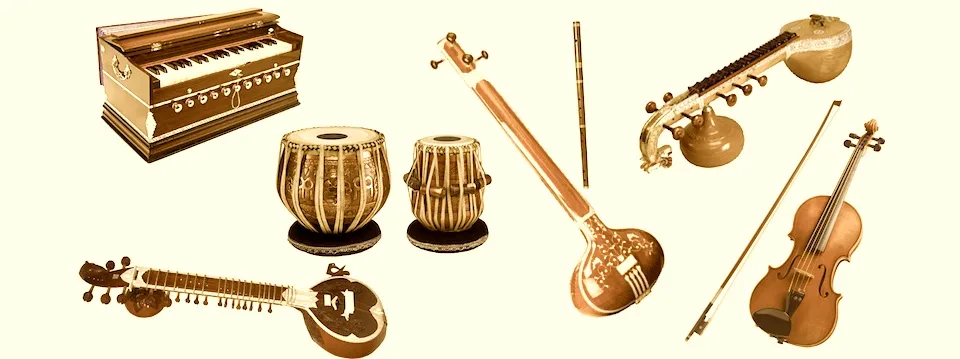
- Sitar – A plucked string instrument
- Tabla – A pair of hand drums for rhythm
- Sarangi – A bowed instrument resembling the human voice
- Flute (Bansuri) – A wind instrument
- Santoor – A hammered dulcimer
- Violin – Adapted into Indian music
These instruments either accompany vocal performances or are used for solo recitals.
Major Vocal Forms of Hindustani Music
Hindustani music includes several vocal styles, each with its own characteristics:
1. Dhrupad
Dhrupad is the oldest and most traditional form of Hindustani classical music.
- Originates from ancient times and mentioned in classical texts
- Reached its peak during the reign of Emperor Akbar
- Known for its serious and devotional nature
- Begins with a long alap (slow introduction)
Dhrupad emphasizes discipline, purity of notes, and spiritual depth.
2. Khayal
Khayal is the most popular form of Hindustani music today.
- The word “Khayal” means imagination
- Allows great freedom for improvisation
- Based on short compositions called bandish
- Themes include love, devotion, seasons, and mythology
Major gharanas of Khayal include:
- Gwalior
- Kirana
- Patiala
- Agra
3. Tarana
Tarana focuses on rhythm and speed.
- Uses syllables like “tanana”, “yalali”
- Fast-paced and energetic
- Requires strong command over rhythm
4. Thumri
Thumri is known as the romantic and expressive style.
- Originated in Lucknow and Varanasi
- Themes revolve around love and devotion, especially Radha-Krishna
- Lyrics are often in Brij Bhasha
- Emotional and graceful
Famous Thumri singer: Begum Akhtar
5. Tappa
Tappa is a fast and complex form derived from folk music.
- Developed from camel riders’ songs
- Known for quick and intricate note patterns
- Requires high vocal agility
6. Ghazal
Ghazal is a poetic and musical form expressing:
- Love
- Separation
- Pain and beauty of emotions
- Originated in Persia (Iran)
- Introduced to India by Sufi poets
- Became popular during the Mughal period
Famous poets associated with Ghazals:
- Mirza Ghalib
- Muhammad Iqbal
Concept of Gharana in Hindustani Music
A gharana is a school or style of music passed down through generations.
Characteristics:
- Based on lineage or teacher-disciple relationship
- Each gharana has unique techniques and interpretations
Some major gharanas:
| Gharana | Place | Founder |
|---|---|---|
| Gwalior | Gwalior | Naththan Khan |
| Agra | Agra | Haji Sujan Khan |
| Jaipur-Atrauli | Jaipur | Alladiya Khan |
| Kirana | Awadh | Abdul Wahid Khan |
Each gharana contributes to the diversity of Hindustani music.
Hindustani vs Carnatic Music
Similarities
- Both are based on raga and tala
- Originated from ancient Indian traditions
- Strong connection with spirituality and religion
- Use improvisation as a key element
Differences
| Aspect | Hindustani Music | Carnatic Music |
|---|---|---|
| Region | North India | South India |
| Influence | Persian & Islamic | Purely Indian (Bhakti movement) |
| Style | Improvisation-heavy | Composition-based |
| Main Forms | Dhrupad, Khayal, Thumri | Kriti, Varnam |
| Instruments | Tabla, Sitar | Mridangam, Veena |
Role of Tansen in Hindustani Music
One of the most legendary figures in Hindustani music is Miyan Tansen, a court musician of Emperor Akbar.
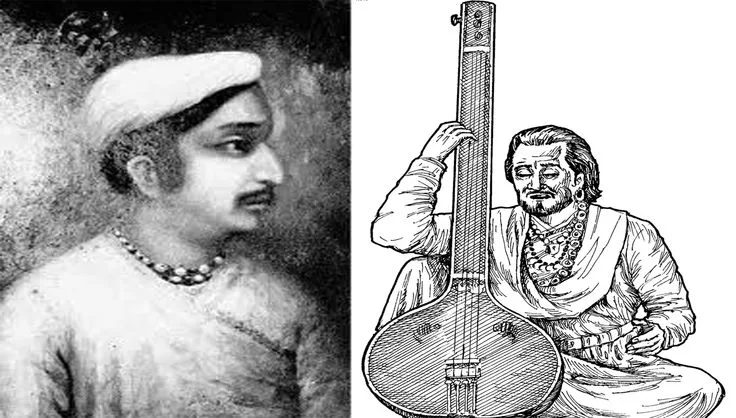
- Considered one of the greatest musicians in Indian history
- Known for creating new ragas
- His legacy continues through various gharanas
Importance of Hindustani Music in Indian Culture
Hindustani music is not just an art form it is a reflection of India’s:
- Spiritual beliefs
- Cultural diversity
- Historical evolution
It plays an important role in:
- Religious ceremonies
- Cultural festivals
- Classical performances
Modern Relevance of Hindustani Music
Even today, Hindustani music remains relevant:
- Performed globally on international stages
- Taught in universities and music institutions
- Blended with modern genres like fusion and Bollywood music
Artists continue to innovate while preserving tradition.
Conclusion
Hindustani Music stands as a timeless symbol of India’s rich cultural heritage. From its ancient Vedic origins to its evolution under Mughal influence, it has grown into a highly expressive and sophisticated art form. With its deep focus on ragas, improvisation, and emotional storytelling, Hindustani music continues to inspire musicians and audiences worldwide.
Understanding Hindustani music not only helps us appreciate Indian classical traditions but also connects us to a deeper sense of artistic and spiritual expression.
FAQs on Hindustani Music
Q1. What is Hindustani Music?
Hindustani music is a form of Indian classical music practiced mainly in North India.
Q2. What are the main forms of Hindustani music?
Dhrupad, Khayal, Thumri, Tarana, Tappa, and Ghazal.
Q3. What is a raga?
A raga is a melodic framework used in Indian classical music.
Q4. Who is the most famous musician in Hindustani music?
Miyan Tansen is one of the most famous figures.
Q5. What is the difference between Hindustani and Carnatic music?
Hindustani music is practiced in North India with Persian influences, while Carnatic music is practiced in South India and is more composition-based.