Coringa Turtle Protection Boosts Olive Ridley Conservation

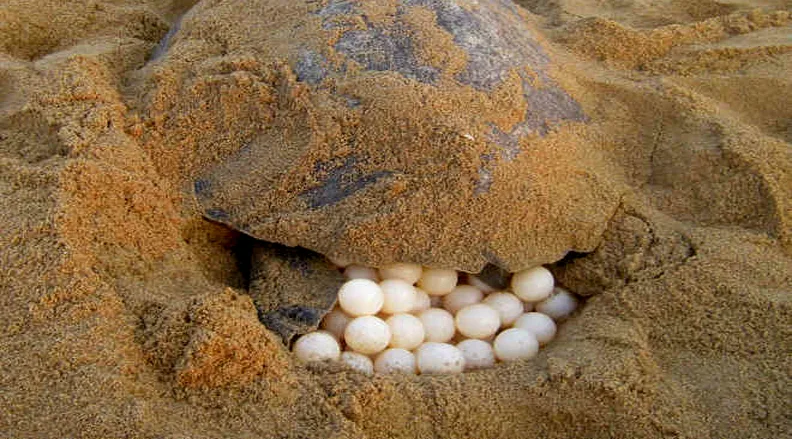
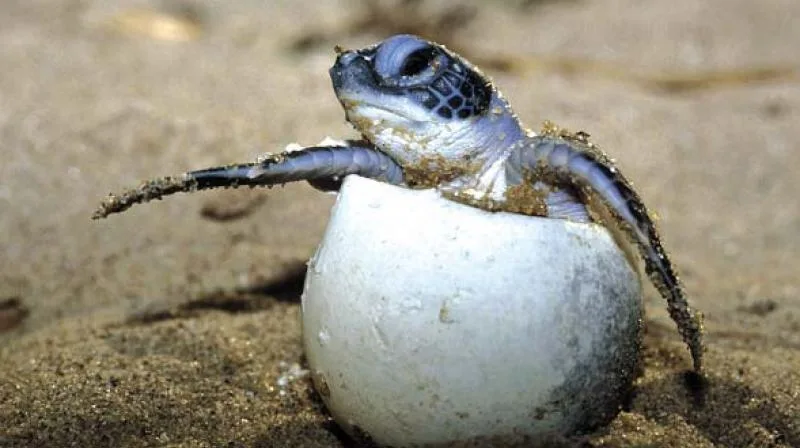
Officials at Coringa Wildlife Sanctuary have successfully protected nearly 20,000 eggs of Olive Ridley turtle on Hope Island. This effort shows how important coastal areas are for marine life and highlights strong conservation work in India.
Thank you for reading this post, don't forget to subscribe!About Coringa Wildlife Sanctuary
Coringa Wildlife Sanctuary is located in Andhra Pradesh near the Godavari estuary, where the Coringa River meets the Bay of Bengal. Established in 1978, it is famous for having the second-largest mangrove forest in India. The sanctuary includes dense mangroves and some dry tropical forests, making it rich in biodiversity.
Rich Flora and Fauna
The sanctuary supports many mangrove plants like Rhizophora, Avicennia, and Sonneratia. It is also home to rare animals such as the smooth-coated otter and fishing cat. Many birds like the black-capped kingfisher, Brahminy kite, seagulls, and sandpipers are found here, making it an important wetland ecosystem.
Olive Ridley Turtles and Nesting
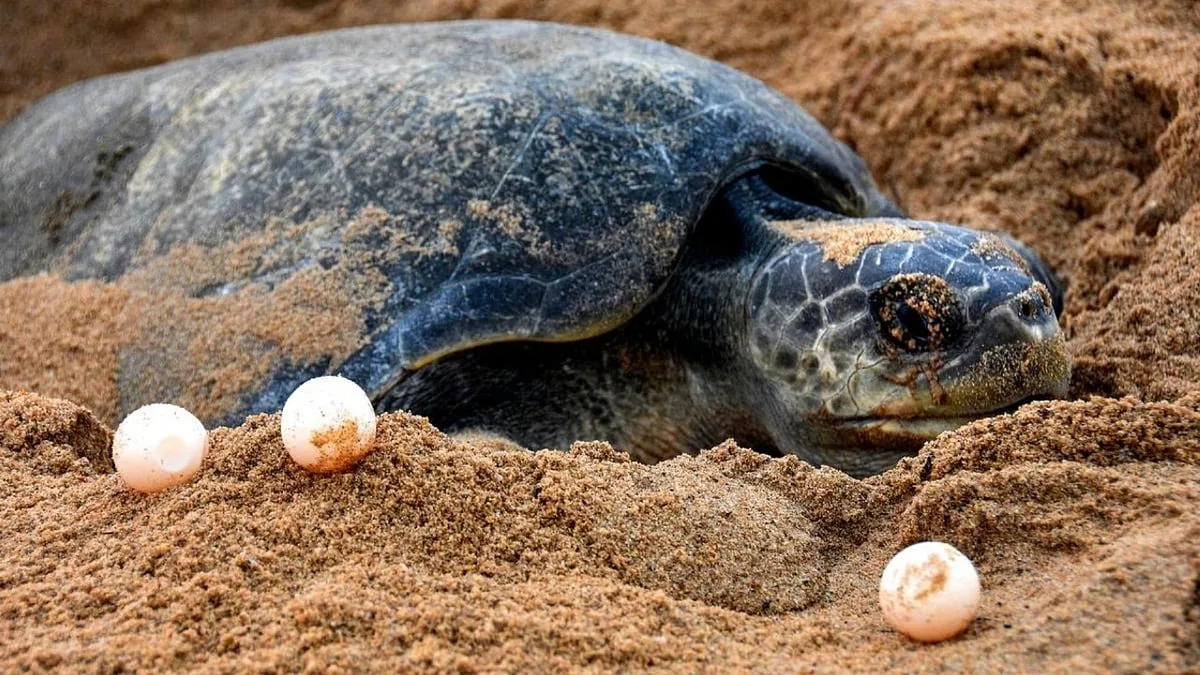
The beaches of Coringa are an important nesting ground for Olive Ridley turtles. These turtles are known for a special nesting event called Arribada, where thousands of females come together to lay eggs. They are found in warm oceans like the Pacific, Atlantic, and Indian Oceans.
Coringa Turtle Protection Importance
The protection of turtle eggs under the Coringa Turtle Protection effort shows the need to save coastal ecosystems. Mangrove forests protect coastlines from erosion and support marine life. Protecting these habitats helps maintain nature’s balance and supports endangered species.