India Open-Sea Fish Farming: A New Chapter in India’s Blue Economy Journey

India Open-Sea Fish Farming has emerged as a major step in the country’s effort to use its vast ocean resources for sustainable growth. With the launch of India’s first open-sea marine fish farming project in the Andaman Sea, the country has signalled a clear shift towards ocean-based livelihoods, technology-driven fisheries, and a stronger Blue Economy. This pilot initiative is not just about producing fish in open waters; it represents a broader vision of balancing economic development, community welfare, and marine conservation.
Thank you for reading this post, don't forget to subscribe!A Landmark Launch in the Andaman Sea
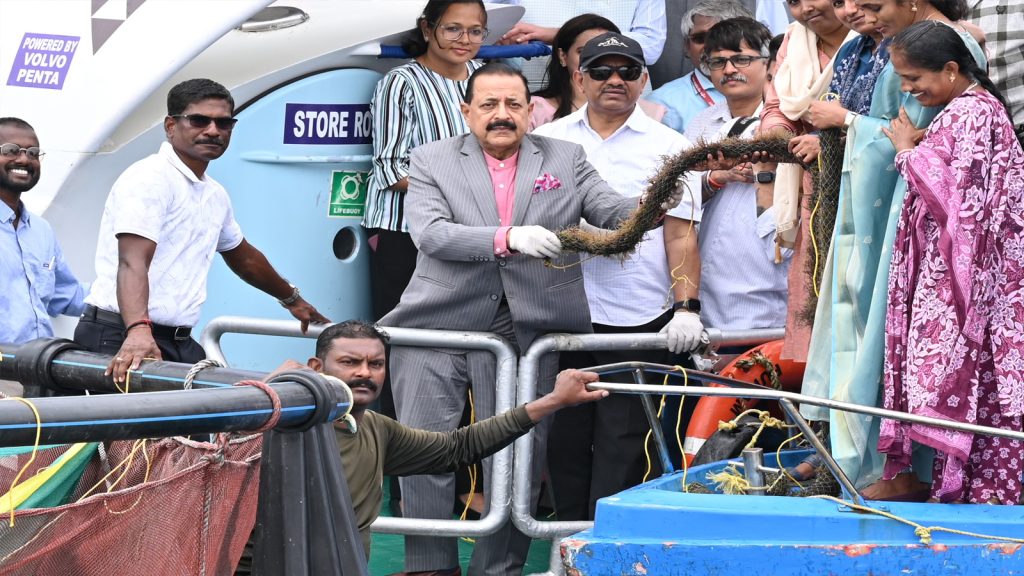
The project was inaugurated at North Bay near Sri Vijaya Puram in the Andaman Sea. The launch took place during a field visit by Union Minister of State (Independent Charge) for Science and Technology and Earth Sciences, Jitendra Singh. Standing in open waters, the Minister described the initiative as one of the first practical steps taken by India to unlock the economic value of its oceans.
India is surrounded by the sea on three sides and has a long coastline, yet for decades, its ocean potential remained largely underused. The Andaman Sea project marks a turning point by taking fish farming beyond coastal areas and into deeper, open waters where conditions are more natural and productive.
Renewed Focus on the Blue Economy
India’s Blue Economy vision aims to treat oceans as valuable assets, similar to land, forests, and minerals. According to the Minister, after Independence, the country focused mainly on land-based development while maritime resources received limited attention. Since 2014, there has been a renewed effort to recognise the role oceans can play in economic growth, employment, food security, and climate resilience.
India’s western, southern, and eastern coastlines have different ocean conditions, currents, and biodiversity. These unique features make them suitable for diverse marine activities such as fisheries, seaweed farming, marine tourism, and ocean research. Open-sea fish farming fits well into this broader approach by using offshore waters that are less crowded and more environmentally suitable for large-scale cultivation.
How the Project Is Being Implemented
The open-sea fish farming pilot is being implemented through a collaborative effort. The Ministry of Earth Sciences is leading the initiative, with technical support from the National Institute of Ocean Technology (NIOT). The administration of the Andaman and Nicobar Islands is also closely involved to ensure local coordination and community participation.
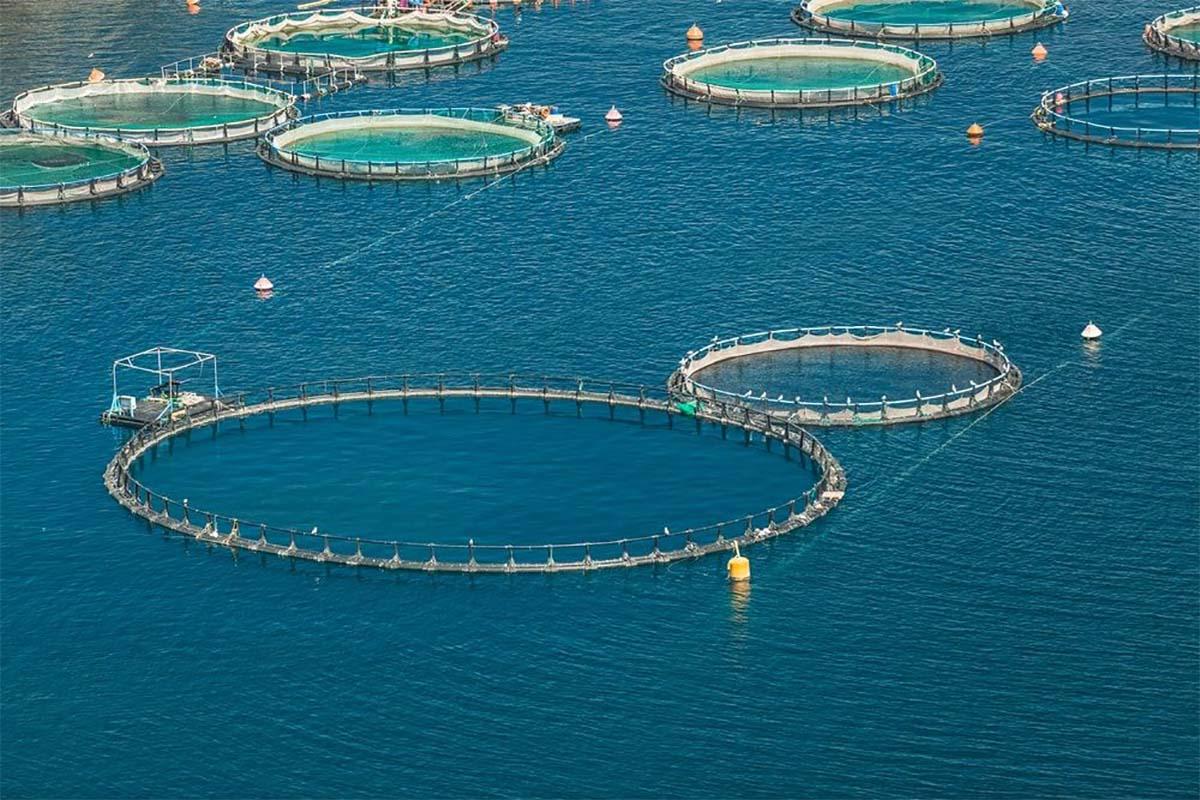
At the heart of the project are specially designed open-sea cages developed by NIOT. These cages are built to withstand strong waves, currents, and changing weather conditions of the open ocean. Unlike traditional coastal fish farms, these cages operate in deeper waters with better water circulation, which helps maintain fish health and reduces environmental stress.
Supporting Local Livelihoods
A key objective of India Open-Sea Fish Farming is to improve livelihoods for local fishing communities. Many traditional fishers face declining catches near the shore due to overfishing, climate change, and habitat degradation. Open-sea farming offers them an alternative source of income that is more stable and less dependent on daily fishing trips.
The project focuses on cultivating marine finfish species that are in high demand in domestic and export markets. By involving local communities in cage operations, feeding, maintenance, and harvesting, the initiative aims to create skilled jobs and promote knowledge sharing. Over time, this can help reduce pressure on wild fish stocks while improving incomes.
Role of Seaweed Farming
Alongside fish farming, the project also promotes deep-water seaweed cultivation. During the launch, seaweed seeds were distributed to encourage farmers to explore this additional activity. Seaweed farming has multiple benefits. It is environmentally friendly, requires no freshwater or fertilisers, and can absorb carbon dioxide from seawater.
Seaweed is used in food products, medicines, cosmetics, and bio-based materials. By combining finfish and seaweed farming, the project supports a more balanced marine farming system where different activities complement each other economically and ecologically.
Technology and Sustainability Hand in Hand
Technology plays a central role in this initiative. NIOT’s open-sea cages represent years of research in marine engineering and ocean sciences. Sensors, monitoring systems, and scientific inputs are used to understand fish growth, water quality, and environmental impact.
At the same time, sustainability remains a guiding principle. Open-sea farming reduces pollution risks often associated with near-shore cages. Better water flow helps disperse waste naturally, and careful species selection minimises ecological disruption. The project also reflects India’s commitment to responsible use of marine resources rather than unchecked exploitation.
Learning from the Pilot Phase
As a pilot initiative, the project is designed to test feasibility, costs, and operational challenges. The experience gained in the Andaman Sea will help policymakers and scientists understand what works best under Indian conditions. This learning phase is crucial before expanding open-sea fish farming to other parts of the country.
Based on results, the government plans to scale up the model through public–private partnerships. Such partnerships can bring in investment, innovation, and market access, while government institutions provide scientific guidance and regulatory support.
Conservation and Development Together
During his visit, the Minister also toured the Mahatma Gandhi Marine National Park near Wandoor. This highlighted an important message: economic use of oceans must go hand in hand with conservation. Protected marine areas safeguard biodiversity, coral reefs, and breeding grounds, which are essential for the long-term success of fisheries and marine farming.
India Open-Sea Fish Farming reflects this balanced approach. By moving farming activities to suitable offshore locations and using scientific methods, the country is trying to ensure that economic growth does not come at the cost of marine ecosystems.

A Step Towards Ocean-Led Growth
The launch of India’s first open-sea marine fish farming project is more than a single event. It represents a broader shift in thinking about how the country engages with its oceans. From livelihood generation and food security to technology development and conservation, the initiative touches many aspects of national development.
As India continues its Blue Economy journey, projects like this show how innovation, policy vision, and community involvement can come together. India Open-Sea Fish Farming stands as an example of how the country can responsibly tap into its ocean wealth while preparing for a sustainable and inclusive future.