India Japan Coast Guards HNS Drill Strengthens Maritime Cooperation in Mumbai

India Japan Coast Guards HNS Drill recently took place in Mumbai, highlighting the growing maritime partnership between India and Japan. The joint exercise focused on hazardous and noxious substances (HNS) response, reflecting both countries’ commitment to a safe, secure, and environmentally protected Indo-Pacific region. This exercise brought together specialised teams from both nations to demonstrate operational coordination and effective response mechanisms for maritime chemical incidents.
Thank you for reading this post, don't forget to subscribe!High-Level Engagement and Courtesy Meeting
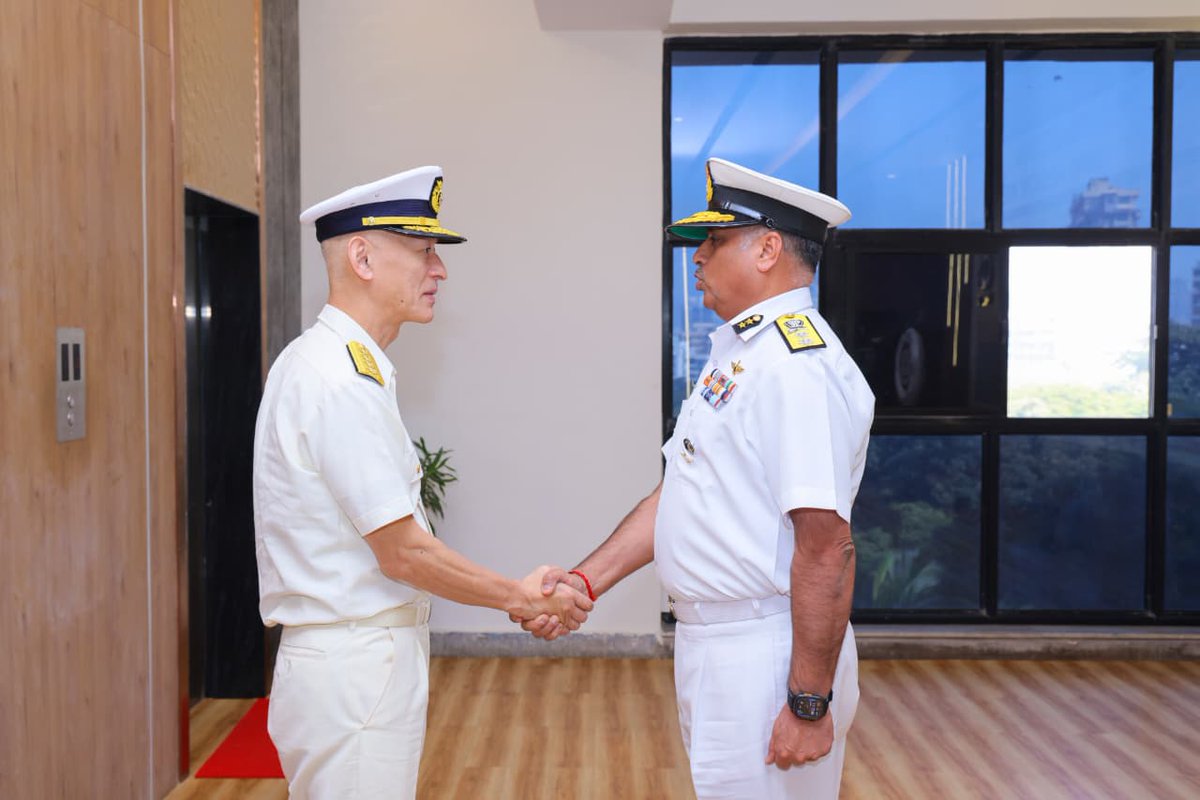
The visit of the Japan Coast Guard (JCG) delegation was led by Commandant Admiral Yoshio Seguchi, who met with Inspector General Bhisham Sharma, Commander of the Coast Guard Region (West), at the Indian Coast Guard Regional Headquarters. This courtesy meeting emphasised the importance of strengthening cooperation in maritime safety, disaster response, and environmental protection. Both sides underlined the significance of working together to enhance operational readiness and share best practices for maritime security.
This high-level engagement also served as a platform to discuss ways to deepen bilateral cooperation, not only in training but also in broader maritime industrial collaboration. The discussions reinforced the shared vision of a free and open Indo-Pacific, where both nations remain committed to promoting safe and secure seas.
Joint Training Onboard ICGS Samudra Prahari
The highlight of the visit was the specialised HNS response drill conducted onboard the Indian Coast Guard’s pollution response vessel, ICGS Samudra Prahari. The drill involved the ICG Pollution Response Strike Team and the JCG National Strike Team, which had arrived from Japan specifically for this exercise.
The exercise demonstrated coordinated response procedures for dealing with hazardous chemical spills at sea. Teams from both countries worked together to contain, neutralise, and manage potential maritime chemical hazards. This joint training not only showcased operational synergy but also strengthened the professional relationship between the Indian and Japanese coast guards.
The drill included practical scenarios simulating chemical spills, containment measures, and decontamination processes. Such exercises are crucial in preparing both nations to respond quickly and effectively to real-life maritime incidents involving hazardous substances.
Planning, Rehearsals, and Demonstration
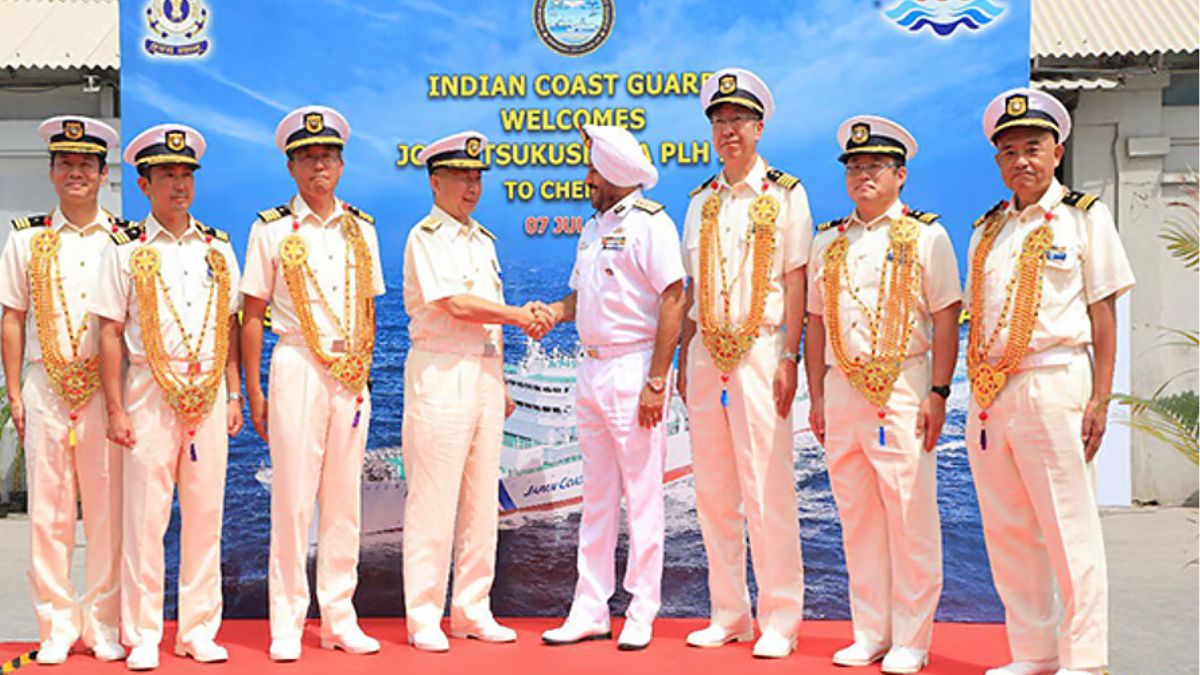
Before the sea-based exercise, extensive planning sessions and rehearsals were conducted in Mumbai. Classroom interactions allowed both teams to share knowledge on standard operating procedures and emergency response protocols for chemical spills at sea.
The joint demonstration onboard Samudra Prahari highlighted the procedural alignment between the two coast guards. Admiral Seguchi and the ICG Regional Commander reviewed the exercise, appreciating the collaboration and exchange of expertise. These interactions not only improved operational readiness but also fostered mutual understanding of each nation’s capabilities in handling hazardous maritime situations.
The focus on meticulous planning and detailed rehearsals ensured that the exercise was executed smoothly, reflecting a high degree of interoperability between the teams. Both sides also exchanged insights on technological solutions and innovative methods for chemical spill containment, which could be adapted in future operations.
Importance of HNS Preparedness
Hazardous and Noxious Substances (HNS) are chemicals that can pose serious risks to marine ecosystems and coastal communities if accidentally released at sea. HNS preparedness is therefore a key component of maritime safety, environmental protection, and disaster response.
The India-Japan drill highlighted how specialised units, such as the ICG Pollution Response Strike Team and JCG National Strike Team, are trained to deal with such emergencies. These teams are equipped with knowledge, tools, and techniques to minimise environmental damage, protect human life, and ensure quick recovery from maritime chemical incidents.
Through exercises like this, both countries demonstrate their readiness to respond to emergencies and their commitment to maintaining clean and safe oceans. Such cooperation also reinforces international standards for maritime safety and environmental protection.
Shipbuilding and Industrial Cooperation
During the visit, the Japanese delegation also toured Mazagon Dock Shipbuilders Limited in Mumbai. This visit provided insights into India’s shipbuilding capabilities, including the construction and maintenance of specialised vessels such as pollution response ships.
The interaction reflected broader cooperation between India and Japan, extending beyond operational exercises to areas such as maritime security, environmental management, and defence-industrial engagement. Strengthening industrial and technical partnerships complements operational collaboration, ensuring that both countries can jointly contribute to regional security and sustainable maritime practices.
The Mazagon Dock visit highlighted India’s growing capabilities in building advanced vessels, which can be shared in joint exercises and future cooperative initiatives. It also reinforced the strategic partnership between India and Japan in defence and maritime domains, supporting the vision of a resilient and secure Indo-Pacific.
Strengthening Maritime Partnership and Shipbuilding: India Japan Coast Guards HNS Drill
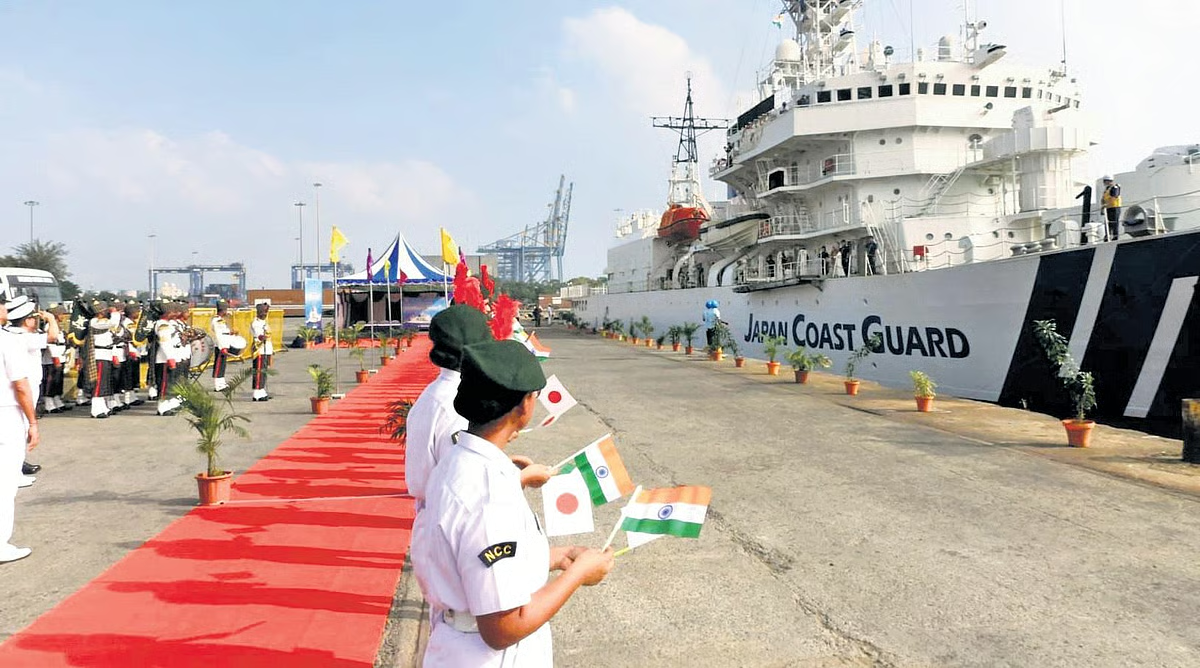
The India Japan Coast Guards HNS Drill in Mumbai is a clear example of growing cooperation between the two nations in maritime safety and environmental protection. By conducting joint exercises, sharing operational expertise, and exploring industrial collaboration, India and Japan are building a strong foundation for a safer and more secure maritime region.
These engagements not only enhance operational preparedness but also strengthen diplomatic and professional ties. The exercise reflects the shared commitment of India and Japan to safeguard the seas, respond efficiently to emergencies, and contribute to a free and open Indo-Pacific.
With such continuous cooperation, the Indian and Japanese coast guards are demonstrating their ability to tackle maritime challenges together, setting a model for regional partnerships in environmental protection and disaster management.