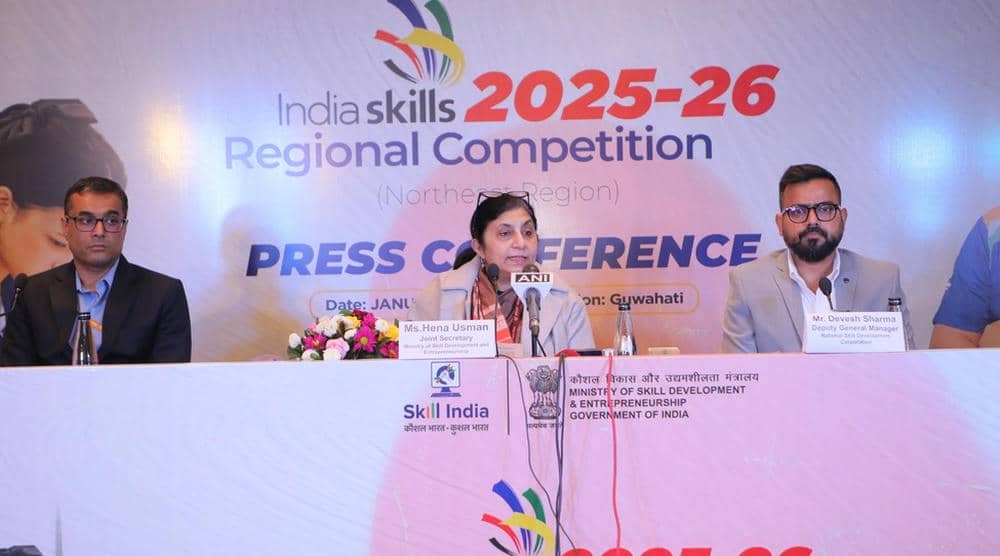
IndiaSkills 2025-26 North East Competition Marks a New Chapter for Regional Skill Development

IndiaSkills 2025-26 North East Competition is set to create a milestone in India’s skill development journey as the Ministry of Skill Development and Entrepreneurship (MSDE) prepares to host a dedicated regional contest for the North Eastern Region. Scheduled from January 19 to 22 at Gauhati University, this event represents the first time that India’s premier national skill competition framework is organising a region-exclusive competition for the North East. The move reflects a focused effort to bring regional talent to the forefront and strengthen skill ecosystems in one of the country’s most diverse yet often underrepresented regions.
Thank you for reading this post, don't forget to subscribe!A first-of-its-kind regional initiative
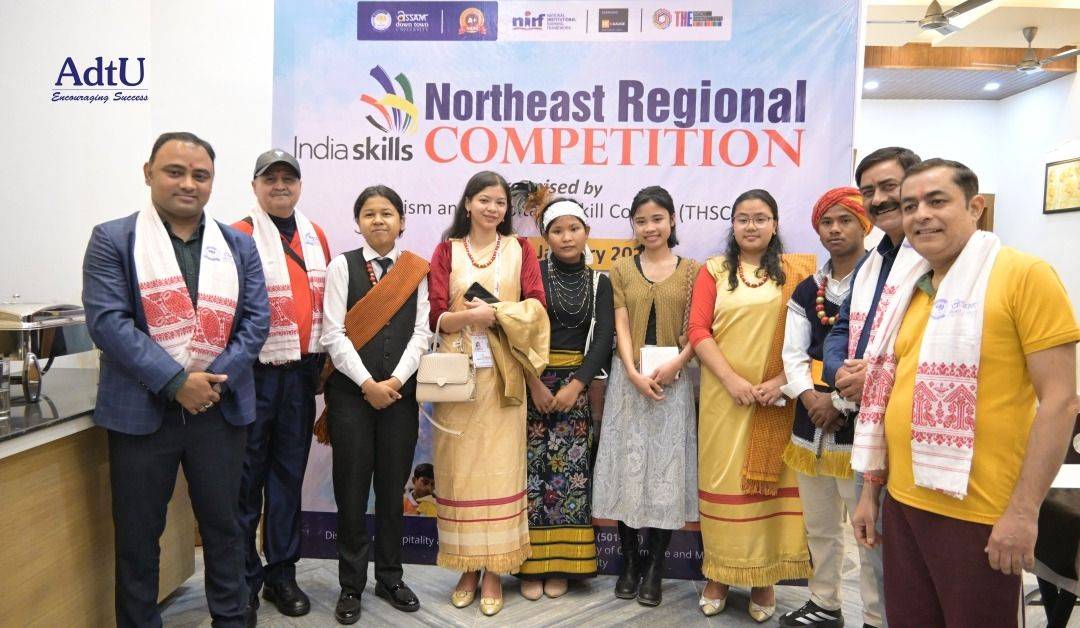
The IndiaSkills 2025-26 North East Competition stands out because it departs from the traditional zonal or national-only formats used in earlier editions. For the first time, skilled youth from all eight North Eastern States will compete in a platform designed specifically for the region. Participants will showcase their abilities across 26 skill categories, offering a broad snapshot of vocational strengths and emerging capabilities within the North East.
This region-exclusive approach reduces the logistical and geographic challenges that many young people from the area face when travelling long distances to compete. By bringing the competition closer to home, MSDE aims to widen participation and ensure that talent is not lost due to access barriers.
Organisers and institutional support
The competition is being organised by the Ministry of Skill Development and Entrepreneurship, with the National Skill Development Corporation (NSDC) acting as the knowledge partner and implementing agency for IndiaSkills 2025–26. This collaboration ensures that the event follows national benchmarks while remaining sensitive to regional realities.
Senior officials have highlighted that the North East competition is not an isolated experiment, but an integral part of the broader IndiaSkills framework. It is designed to feed into the national competition cycle and ultimately support India’s participation in global skill platforms.
Why the North East focus is important
The North Eastern Region has unique strengths, cultural diversity, and a young population eager for opportunities. At the same time, it has faced long-standing challenges such as remoteness, connectivity gaps, and limited exposure to national-level competitive platforms. The IndiaSkills 2025-26 North East Competition directly addresses these issues by creating a local yet nationally aligned space for skill excellence.
By hosting a standalone regional event, MSDE seeks to identify high-potential trades specific to the region and align training outcomes more closely with industry needs. The initiative also encourages State governments and local institutions to invest more actively in skill training infrastructure and competitive preparation.
Building confidence and opportunity for youth
Officials have stressed that this decentralised approach is not symbolic. It is meant to build confidence among young participants and help them see their skills valued on a national stage. Competing in a familiar environment allows participants to focus on performance rather than logistical hurdles.
For many young people, the IndiaSkills 2025-26 North East Competition offers their first exposure to a structured, high-standard skill contest. Success here can open doors to advanced training, industry recognition, and further opportunities at the national and international levels.
IndiaSkills 2025–26 in the national landscape
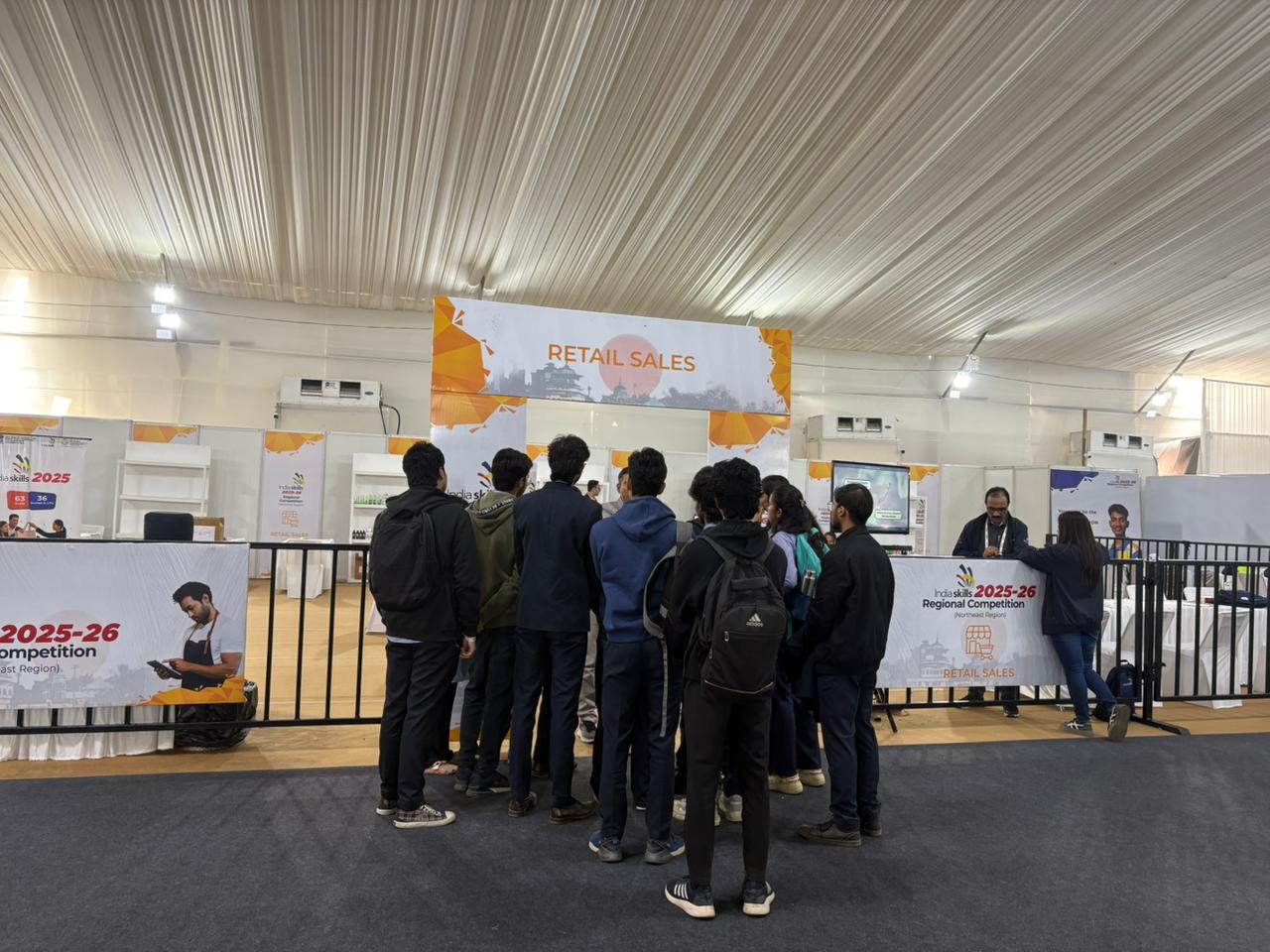
IndiaSkills is India’s flagship skill competition framework, created to benchmark vocational talent against national and global standards. The ongoing 2025–26 cycle has seen one of the widest participation levels so far. More than 3.65 lakh candidates from 35 States and Union Territories have registered across 63 skill categories through the Skill India Digital Hub.
Within this larger national canvas, the North East Regional Competition plays a crucial role. Winners from the Gauhati event will advance to the national stage, strengthening India’s pipeline of skilled professionals and contributing to preparation for global competitions such as WorldSkills.
Leadership and policy message
The IndiaSkills 2025-26 North East Competition will be inaugurated on January 19 by Jayant Chaudhary, Minister of State (Independent Charge) for Skill Development and Entrepreneurship and Minister of State for Education. The presence of senior leadership underlines the importance the government places on regional inclusion and competitive excellence.
The Opening Ceremony will take place at the B.K.B. Auditorium of Gauhati University, followed by a familiarisation programme for participants. This programme is designed to ensure uniform competition standards, clarity in assessment methods, and a fair benchmarking process for all competitors.
How the competition is structured
The competition has been carefully designed to balance high-quality standards with strong industry alignment. Skill categories have been selected to reflect both national demand and regional strengths, ensuring relevance and future employability.
Assessment frameworks follow national and international benchmarks, allowing IndiaSkills to function as more than just a contest. It acts as a talent identification and development mechanism, connecting grassroots training efforts with certification systems and global exposure pathways.
A step towards long-term regional growth
By institutionalising a regional competition format, MSDE is embedding competitive skilling into the North East’s broader development journey. The expectation is that regular exposure to such platforms will motivate States to improve trainer quality, upgrade training facilities, and deepen collaboration with industry partners.
For participants, the IndiaSkills 2025-26 North East Competition offers more than medals or rankings. It provides visibility, self-belief, and a clear pathway to higher levels of competition. For policymakers, it serves as a test case for how decentralised, region-focused initiatives can deliver more balanced and inclusive outcomes within India’s rapidly expanding skill development ecosystem.
As the competition unfolds at Gauhati University, it signals a clear message: regional talent matters, and the future of India’s skilled workforce must be built by recognising and nurturing potential in every part of the country.