Nauradehi Cheetah Reintroduction: Madhya Pradesh Expands Project Cheetah Network

The Nauradehi Cheetah Reintroduction marks a major step in India’s ongoing efforts to restore the world’s fastest land animal to its natural range. Madhya Pradesh has officially designated the Nauradehi Wildlife Sanctuary as the state’s third cheetah site, following Kuno National Park and Gandhi Sagar Sanctuary. Chief Minister Mohan Yadav announced that cheetahs from Namibia will soon be relocated to Nauradehi, expanding the footprint of Project Cheetah across central India. The initiative aims to strengthen habitat connectivity, reduce pressure on existing sites, and create a stable metapopulation of cheetahs across the Chambal Vindhyan landscape.
Thank you for reading this post, don't forget to subscribe!Nauradehi Cheetah Reintroduction: A New Frontier for Indian Wildlife
Nestled in the heart of the Sagar and Damoh districts, Nauradehi Wildlife Sanctuary spans over 1,197 square kilometres, forming one of the largest contiguous habitats in Madhya Pradesh. Its diverse terrain of dry deciduous forests, grasslands, and scrublands makes it a promising landscape for cheetahs a species that historically roamed freely across central India before going extinct in 1952.
The decision to designate Nauradehi as a new cheetah site follows assessments by the Wildlife Institute of India (WII) and the National Tiger Conservation Authority (NTCA). Both agencies identified the sanctuary’s habitat potential, prey availability, and connectivity with other reserves like Panna and Kuno, making it an ideal candidate for reintroduction.
According to officials, Nauradehi’s inclusion will reduce pressure on Kuno, where cheetah management has been challenging due to limited space, human settlements, and predator competition. By spreading populations across multiple reserves, Madhya Pradesh aims to create a resilient network capable of sustaining cheetahs in the long term.
The Third Cheetah Site: Strengthening Project Cheetah’s Foundation
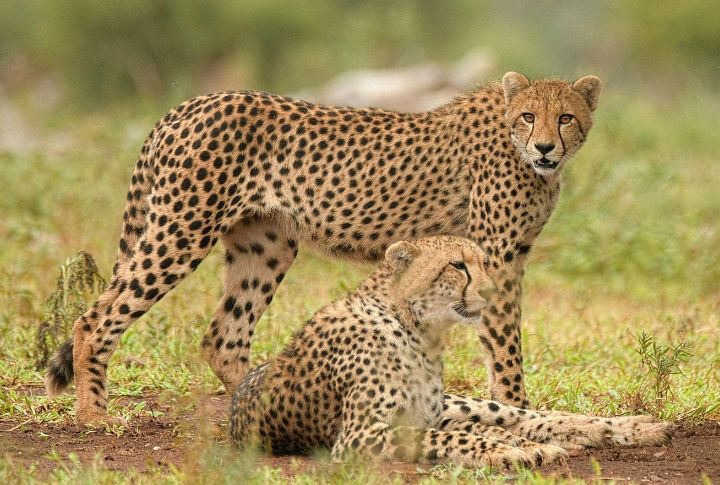
The Nauradehi Cheetah Reintroduction represents a strategic scaling-up of Project Cheetah, which began in 2022 when India received its first batch of eight African cheetahs from Namibia. The second batch from South Africa followed in early 2023, all released at Kuno National Park in Sheopur district.
With Gandhi Sagar Sanctuary recently cleared as the second release site, the addition of Nauradehi completes a triangular network of cheetah reserves in Madhya Pradesh. Together, these sites will support a metapopulation model an interconnected series of subpopulations that can migrate, breed, and exchange genes, preventing inbreeding and demographic collapse.
Officials have emphasized that this multi-site approach is vital for the species’ success in India, considering ecological variability and the risks posed by disease, competition, and climate fluctuations.
Translocation Plan Under the Nauradehi Cheetah Reintroduction
The first batch of cheetahs for Nauradehi will be sourced from Namibia under the existing inter-governmental agreement with India. The reintroduction will follow a soft-release protocol, where animals are first placed in large acclimatization enclosures before being released into the wild in phases.
Each cheetah will be equipped with a satellite-GPS collar to allow real-time tracking and monitoring. Teams of trained field staff, veterinarians, and conflict-mitigation squads will be stationed around the periphery to ensure safety for both wildlife and local communities.
Preparations are already underway for prey augmentation, including the introduction of chital, blackbuck, and nilgai populations to ensure adequate food availability. The forest department has also upgraded fencing, surveillance cameras, and rapid response units to handle potential human-wildlife interactions.
Linked Conservation Actions: Expanding the Ecological Web
Madhya Pradesh’s wildlife strategy under CM Mohan Yadav is not limited to big cat reintroduction. In a parallel effort to strengthen aquatic biodiversity, the state recently released six crocodiles (four females and two males) into the Indira Sagar Dam backwaters, translocated from Van Vihar National Park, Bhopal.
Moreover, the government is coordinating a gharial exchange with Assam to diversify the breeding lines and boost the health of the species’ captive and wild populations. These interlinked measures reflect an ecosystem-based approach balancing carnivore conservation with broader trophic recovery across terrestrial and aquatic systems.
Such actions echo India’s growing recognition that large predator recovery must coincide with habitat restoration and prey protection, ensuring long-term sustainability of the ecosystem.
Omkareshwar Sanctuary to Enhance Nauradehi Cheetah Reintroduction Landscape
In addition to Nauradehi, the state wildlife board has cleared the Omkareshwar Wildlife Sanctuary proposal a 61,407-hectare (≈614 sq km) landscape spanning Khandwa and Dewas districts near the Narmada River. The formal notification is expected soon, with plans to eventually upgrade the area to tiger reserve status.
The Omkareshwar Nauradehi Kuno corridor, once established, could serve as a biological linkage supporting gene flow not just among cheetahs but also between other carnivore species such as leopards, wild dogs, and tigers. The initiative aims to build an interconnected conservation mosaic across central India, enhancing both ecological and tourism potential.
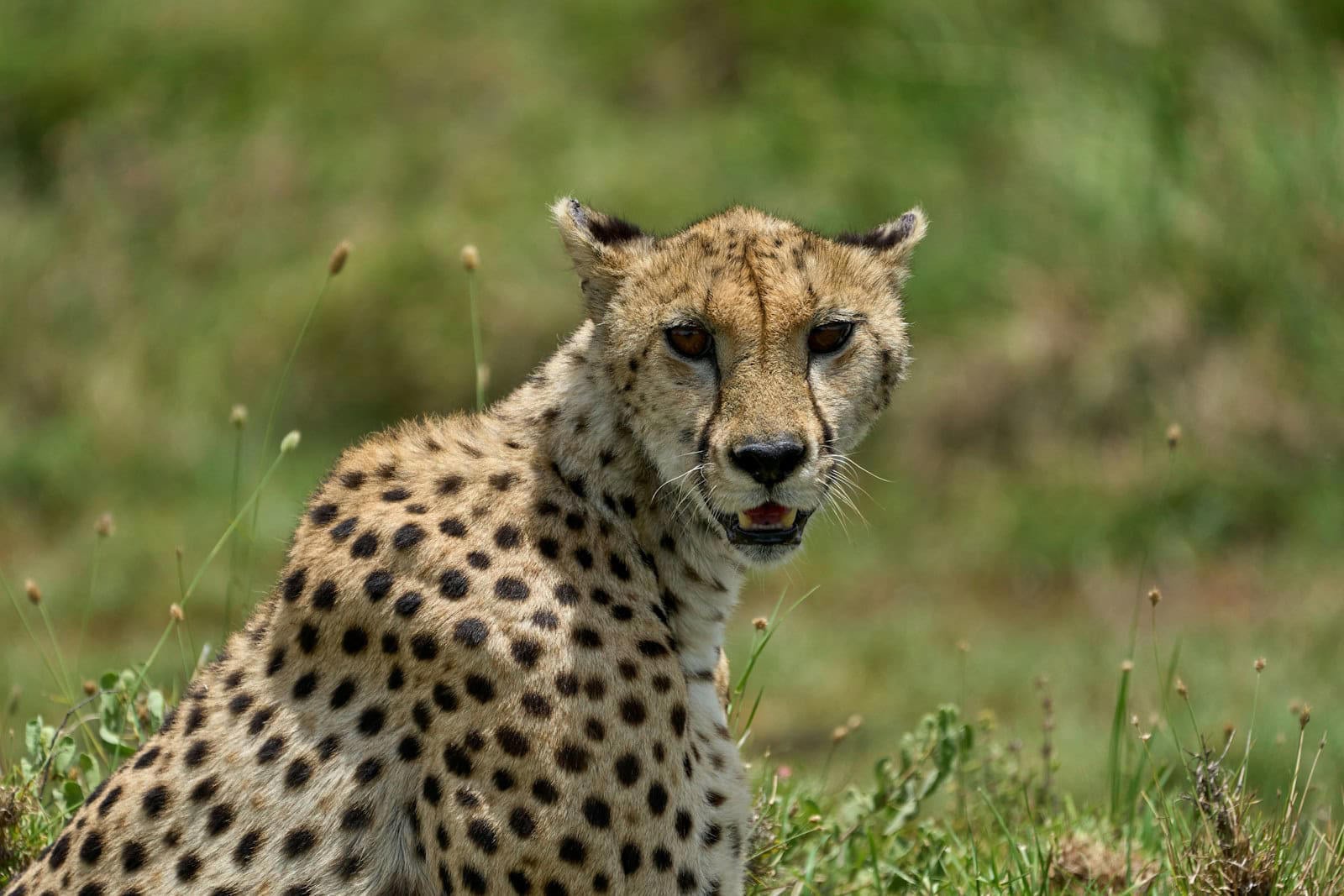
The Nauradehi Wildlife Sanctuary is set to become Madhya Pradesh’s third cheetah site after Kuno National Park and Gandhi Sagar Sanctuary, strengthening India’s cheetah recovery efforts. The first group of cheetahs will be brought from Namibia under the existing partnership between the two countries. To ensure a smooth transition, authorities will follow soft-release protocols supported by GPS tracking and 24×7 monitoring.
In parallel, the state has released six crocodiles into the Indira Sagar Dam and is coordinating a gharial exchange with Assam to diversify aquatic species. Additionally, the Omkareshwar Wildlife Sanctuary, covering about 614 sq km, has been cleared for official notification. Together, these measures reinforce Madhya Pradesh’s strategy to build a central Indian metapopulation that ensures long-term ecological balance and wildlife security.