



Bioplastic from Prawn Shells Innovation

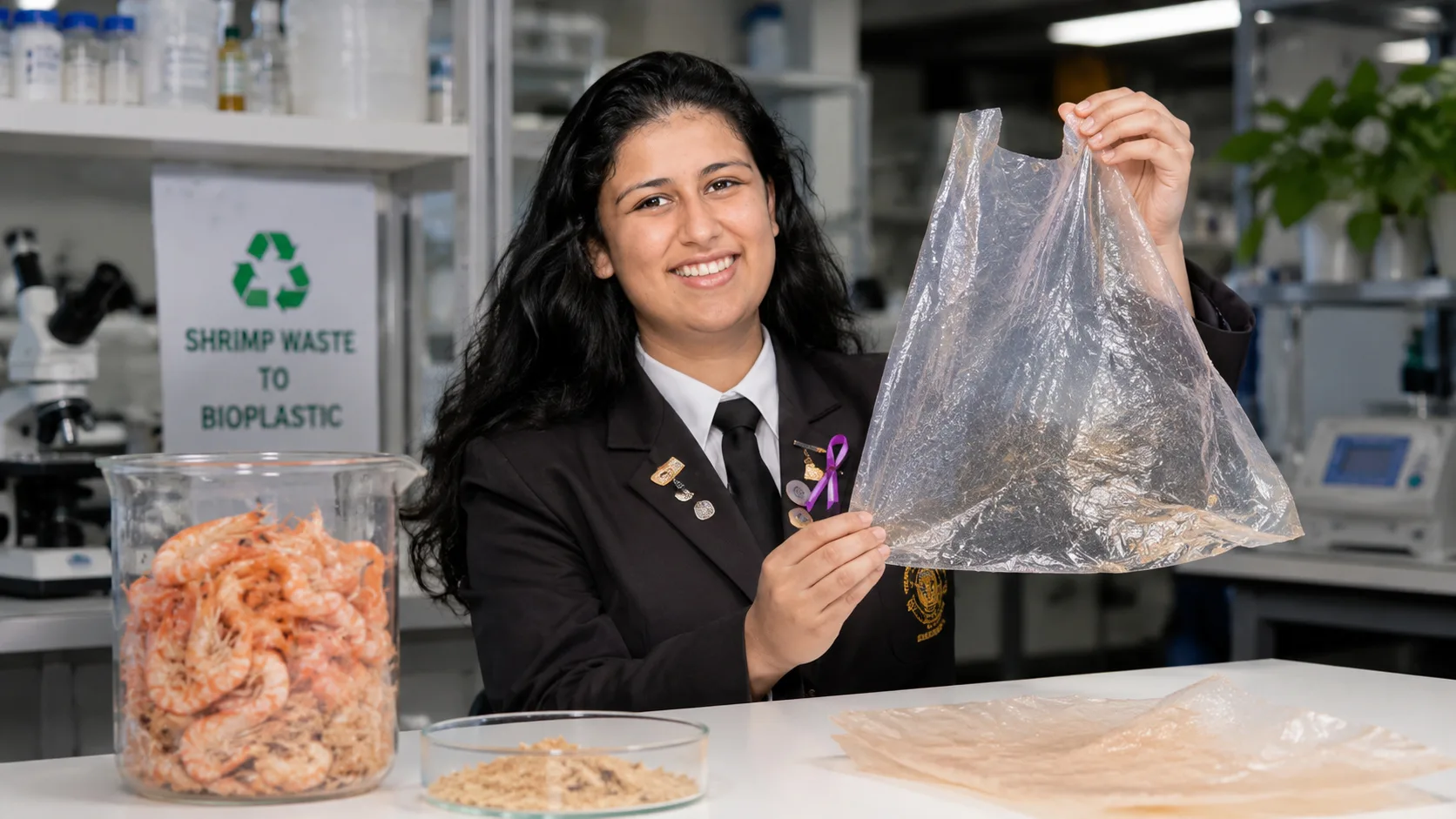
Bioplastic from Prawn Shells is an innovative step towards solving the growing plastic pollution problem. A young student developed this eco-friendly material using natural resources like prawn shells and silk cocoons.
Thank you for reading this post, don't forget to subscribe!This idea has gained attention because it offers a sustainable alternative to traditional plastic, which takes hundreds of years to break down. With rising global concern about environmental damage, such innovations are becoming more important than ever.
How the Bioplastic is Made
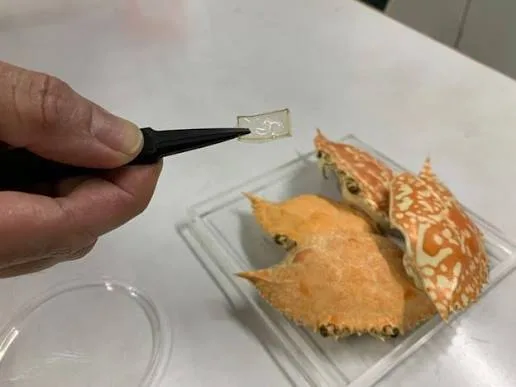
The process of creating this bioplastic involves natural materials that are easily available. Prawn shells contain a substance called chitin, which is a natural compound found in the outer shells of crustaceans.
Chitin is converted into chitosan, a useful material that can be shaped into films and coatings. This is then combined with fibroin, a protein found in silk cocoons.
The combination of these materials results in a strong and flexible bioplastic that can be used for various purposes.
Natural Components and Their Role
Each component used in this bioplastic plays an important role. Chitin provides structure and strength, while chitosan adds flexibility and usability. Fibroin helps improve durability and gives the material a smooth texture.
These natural elements work together to create a product that is both functional and environmentally friendly. Unlike petroleum-based plastics, these materials come from renewable sources.
Fast Decomposition and Environmental Benefits
One of the most important features of this bioplastic is its ability to break down quickly. It can decompose in about 33 days under the right conditions.
This is a huge improvement compared to regular plastic, which can remain in the environment for hundreds of years.
During decomposition, the material releases nitrogen, which can help improve soil quality. This makes it not only less harmful but also beneficial for the environment.
Strength and Usability
Despite being biodegradable, the material is strong and durable. It is also transparent and resistant to water, making it suitable for packaging and other uses.
Low production cost is another advantage, as it makes the material more practical for large-scale use.
These qualities make it a promising alternative for industries that rely heavily on plastic.
Recognition and Global Interest
The innovation received several awards and recognition for its potential impact. It gained attention in science competitions and environmental platforms.
Over time, companies have shown interest in exploring its commercial use. Discussions have taken place about bringing this material into the market as a finished product.
This shows that simple ideas can lead to meaningful change when supported by research and creativity.
Rising Demand for Sustainable Solutions
In recent years, there has been a growing demand for eco-friendly products. Governments, companies, and individuals are looking for ways to reduce plastic waste.
Bioplastics are becoming an important part of this shift. They offer a cleaner option and help reduce pollution in oceans and landfills.
Innovations like this align with global efforts to promote sustainability and responsible consumption.
Applications in Daily Life
Bioplastic made from prawn shells can be used in many everyday products. It can be applied in packaging, food containers, agricultural films, and even medical uses.
Because it is biodegradable, it reduces waste and supports cleaner surroundings.
As industries move towards greener alternatives, such materials could become more common in daily life.
Encouraging Young Innovators
This development also highlights the role of young minds in solving global challenges. Students and researchers are coming up with creative ideas to address environmental issues.
Support for innovation and research is essential to turn such ideas into real-world solutions.
With proper guidance and resources, more sustainable technologies can be developed in the future.
A Step Towards a Cleaner Future
Plastic pollution remains one of the biggest environmental challenges today. Innovations like bioplastic from prawn shells show that solutions can come from unexpected sources.
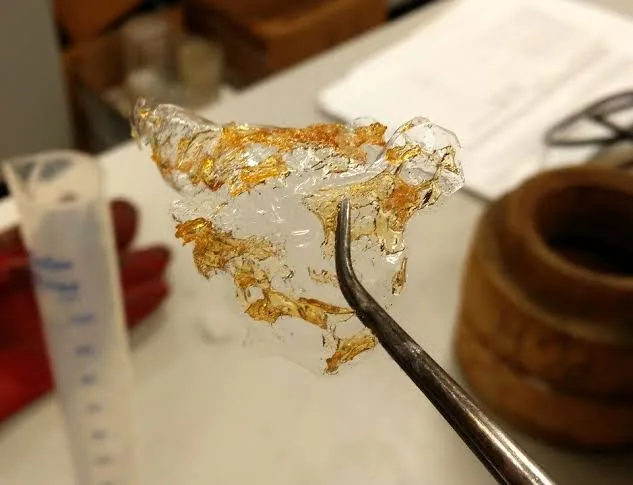
By using natural materials and simple processes, it is possible to create alternatives that are both effective and environmentally safe.
This approach reflects a shift towards smarter and more sustainable ways of living, where technology and nature work together.