


Rural Employment Framework 318 Works

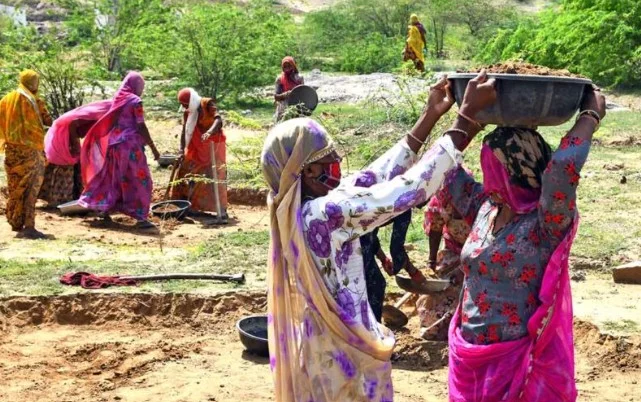
Rural Employment Framework is now at the centre of India’s rural development strategy as the government has notified 318 types of work under a new system. This update was announced on 24 June 2026 and will come into effect from 1 July 2026. The new structure replaces the older Mahatma Gandhi National Rural Employment Guarantee Act and introduces a broader approach to employment and livelihood support in rural areas.
Thank you for reading this post, don't forget to subscribe!The aim is to provide more job opportunities, improve village infrastructure, and support sustainable development. This move also comes at a time when rural economies are adapting to climate change, migration trends, and changing work patterns.
New Law Behind the Framework
The new system is based on the Viksit Bharat – Guarantee for Rozgar and Ajeevika Mission (Gramin) Act, 2025. This law replaces the earlier employment guarantee scheme and increases the number of workdays available to rural households.
Under this framework, each rural household can now receive up to 125 days of guaranteed work in a year. This is an increase from the earlier limit of 100 days, which had been in place for many years.
The government has presented this as a step towards strengthening rural incomes and reducing financial stress among families that depend on seasonal work.
318 Works Across Key Areas
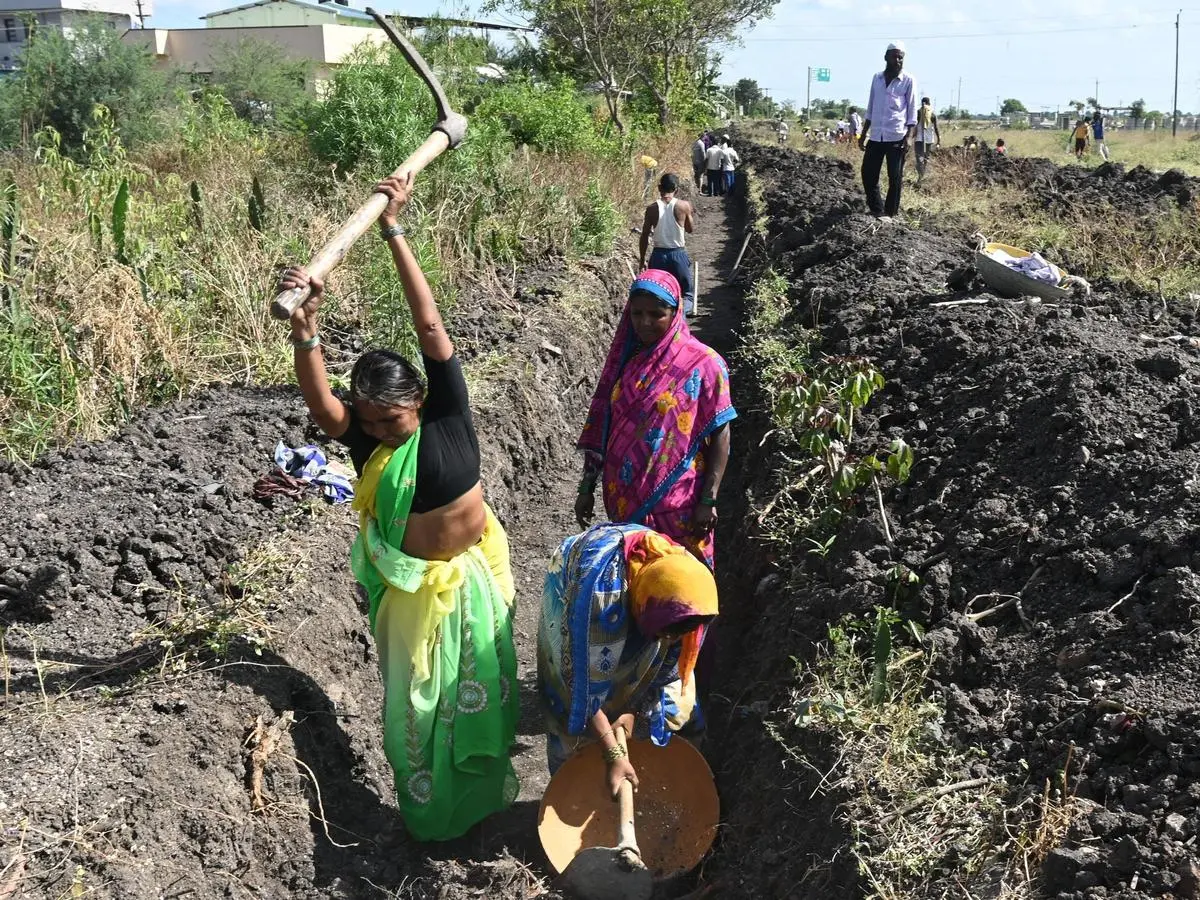
The notified list includes 318 different types of work that can be carried out under the Rural Employment Framework. These works are divided into four major categories to cover a wide range of needs.
The first category focuses on water security, including projects like water conservation, irrigation systems, and pond restoration. These are important as many parts of India continue to face water shortages and irregular rainfall.
The second category includes core rural infrastructure such as roads, storage facilities, and public buildings. These projects aim to improve connectivity and basic services in villages.
The third category supports rural livelihoods, including activities related to agriculture, animal husbandry, and small-scale industries. This helps create income opportunities beyond daily wage labour.
The fourth category is focused on managing extreme weather events, which have become more frequent due to climate change. These works include flood protection, drought management, and soil conservation efforts.
Focus on Village-Level Planning
One of the key features of the Rural Employment Framework is its focus on local planning. The system uses the Viksit Gram Panchayat Plan as the main planning tool at the village level.
This means that decisions about which projects to take up will be made based on local needs and priorities. Village councils will play a bigger role in planning and execution, making the process more community-driven.
The framework also follows a “single plan – multi funding” approach. This allows different government schemes and departments to work together on the same projects, improving efficiency and reducing duplication.
Government Consultation and Coordination
The rollout of this framework involved discussions with multiple stakeholders. The Ministry of Rural Development shared the list of works with states and other departments for feedback.
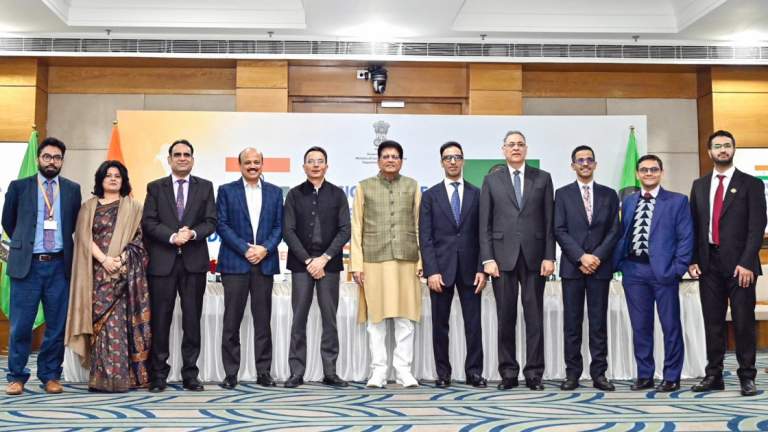
A high-level meeting was held on 24 and 25 June 2026, chaired by Rohit Kansal, to review the framework and discuss coordination between ministries.
Representatives from 18 different ministries participated, showing that the framework is designed to work across sectors such as agriculture, infrastructure, and environment.
Changes in Funding Pattern
The new Rural Employment Framework also introduces changes in how funds are shared between the central and state governments. The earlier ratio of 90:10 has been revised to 60:40.
This change has raised concerns in some states. For example, Karnataka has expressed worries about the increased financial responsibility on states.
Such changes highlight the ongoing discussions between the Centre and states on how to balance resources while ensuring effective implementation of large-scale programmes.
Updates from States and Union Territories
Different regions are preparing for the transition in their own ways. Jammu and Kashmir has already introduced its own version of the scheme, which will replace the earlier employment programme from July 2026.
This shows how the framework allows flexibility for local adaptation while maintaining a common national structure.
States are also expected to suggest additional works based on their specific needs, making the system more adaptable to different geographic and economic conditions.
Link to Current Rural Challenges
The Rural Employment Framework comes at a time when rural India is facing multiple challenges. Climate change is affecting agriculture, leading to uncertain incomes for farmers and workers.
Migration patterns are also shifting, with many people moving between rural and urban areas in search of better opportunities. By increasing workdays and expanding the types of jobs available, the framework aims to address these issues.
Digital tools and better data systems are also being introduced to track work and payments, improving transparency and efficiency.
Growing Role of Rural Development Policies
This new framework reflects a broader shift in how rural development is approached in India. Instead of focusing only on wage employment, the emphasis is now on long-term livelihood support and infrastructure creation.
By combining employment with development projects, the government aims to create lasting benefits for rural communities.
The inclusion of climate-related works also shows that environmental concerns are becoming a key part of policy planning.
Impact on Rural Communities
For rural households, the increase in guaranteed workdays can provide more financial stability. The wider range of projects also means more diverse work opportunities.
Communities can benefit from improved infrastructure, better water management, and stronger local economies. Over time, this can lead to better living conditions and reduced dependence on migration.
The success of the Rural Employment Framework will depend on how effectively it is implemented at the ground level and how well different agencies work together.