


Multilateral Export Control Regimes: Complete Guide

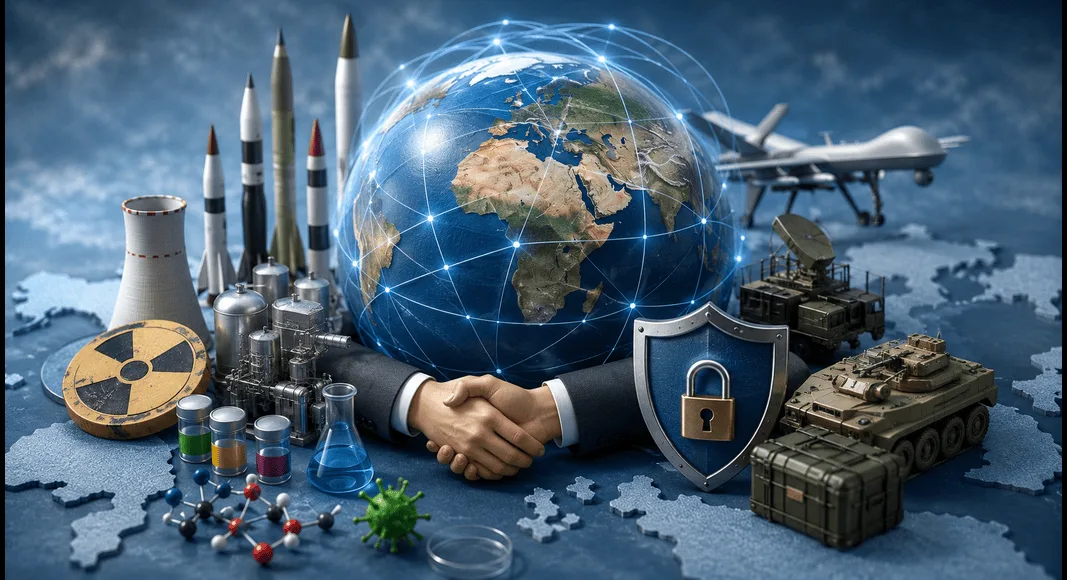
Multilateral Export Control Regimes (MECRs) are international groups formed by countries to control the export of sensitive technologies, materials, and equipment that could be used to make dangerous weapons. These groups work together to stop the spread of Weapons of Mass Destruction (WMDs), such as nuclear, chemical, and biological weapons, as well as the missiles that can carry them.
Thank you for reading this post, don't forget to subscribe!Unlike organizations created under the United Nations, Multilateral Export Control Regimes are voluntary and non-binding. Countries choose to become members because they believe that responsible control over sensitive technologies helps maintain global peace and security. These regimes also encourage transparency, trust, and cooperation among member countries.
Today, there are four major Multilateral Export Control Regimes in the world:
- Nuclear Suppliers Group (NSG)
- Australia Group (AG)
- Missile Technology Control Regime (MTCR)
- Wassenaar Arrangement (WA)
India has become a member of three of these four groups. The only regime where India has not yet received membership is the Nuclear Suppliers Group (NSG). Joining these organizations has strengthened India’s position as a responsible nuclear power and increased its access to advanced technologies for peaceful purposes.
What are Multilateral Export Control Regimes?
Multilateral Export Control Regimes are groups of countries that coordinate their export policies for sensitive technologies and military-related products. Their main objective is to ensure that these items are not used to develop weapons of mass destruction or support terrorist activities.
Many modern technologies have both civilian and military uses. For example, a technology developed for medical research may also be used to produce biological weapons. Such technologies are known as dual-use technologies.
The member countries of these regimes share information, maintain common export guidelines, and cooperate to prevent dangerous technologies from falling into the wrong hands. Although these arrangements are voluntary and not legally binding, member countries usually follow the agreed rules strictly.
Why are Multilateral Export Control Regimes Important?
These export control regimes play a major role in maintaining international peace and security. They reduce the chances of dangerous weapons spreading across the world and help countries work together to fight global security threats.
Some major objectives of these regimes include:
- Preventing the spread of nuclear, chemical, and biological weapons.
- Controlling the export of missiles and advanced military technologies.
- Promoting responsible international trade.
- Increasing transparency among member countries.
- Preventing terrorists and hostile states from acquiring sensitive technologies.
Nuclear Suppliers Group (NSG)
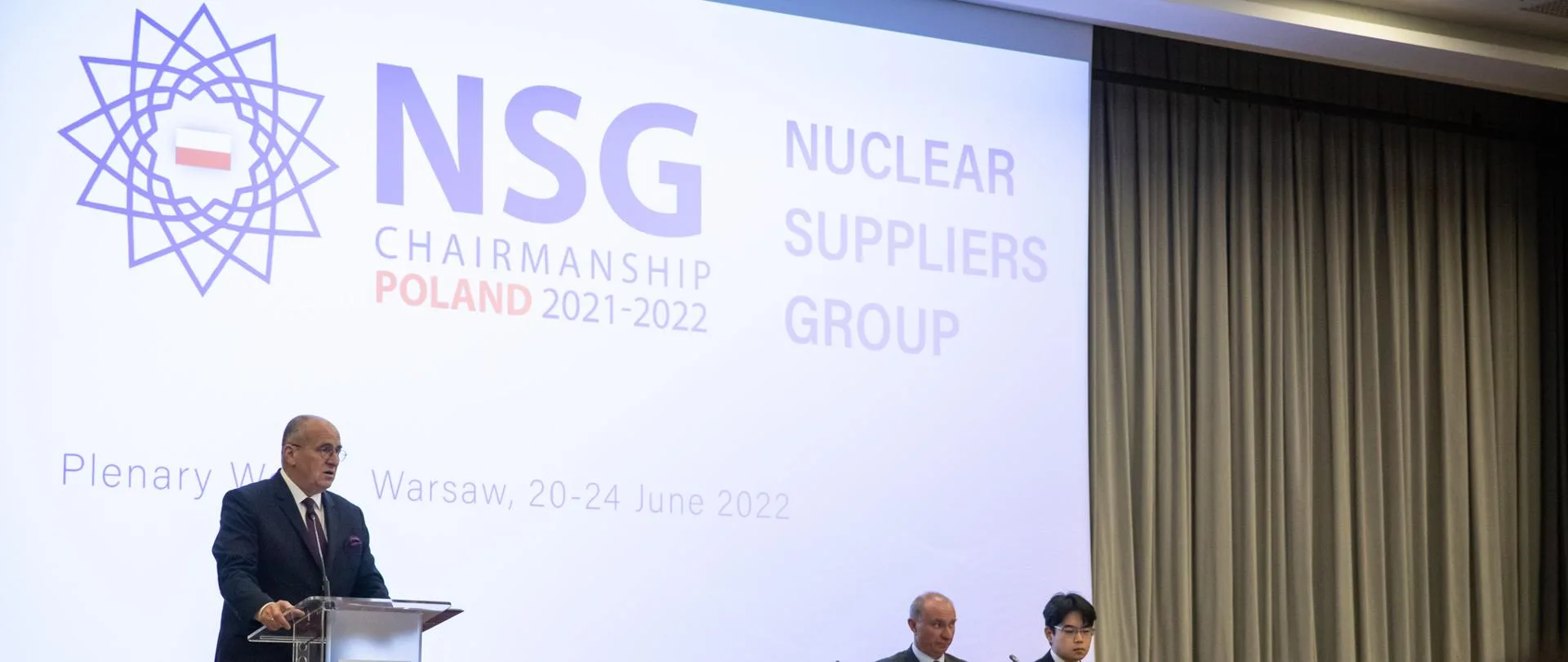
The Nuclear Suppliers Group (NSG) is an international group of countries that controls the export of nuclear materials, equipment, and technologies. Its main aim is to prevent the spread of nuclear weapons while allowing peaceful use of nuclear energy.
The NSG was created after India’s peaceful nuclear test in 1974. Many countries became concerned about the possibility of nuclear technology being used for military purposes. As a result, they formed the NSG to establish common export guidelines.
The organization currently has 48 participating governments. Member countries follow two sets of export guidelines covering nuclear materials and nuclear-related technologies.
One important feature of the NSG is the Trigger List, which contains items requiring strict export controls. These items cannot be exported freely to countries that are not members of the Nuclear Non-Proliferation Treaty (NPT).
India’s Membership in NSG
India has not yet become a member of the Nuclear Suppliers Group despite receiving support from many countries.
The main reason is that India has not signed the Nuclear Non-Proliferation Treaty (NPT). China has consistently opposed India’s membership by arguing that only NPT signatories should be admitted. China has also linked India’s application with Pakistan’s membership demand, although many countries believe India’s non-proliferation record is much stronger.
Even without NSG membership, India received a special waiver in 2008 that allows it to engage in civilian nuclear trade with many countries.
Australia Group (AG)
The Australia Group is an informal international forum that controls exports related to chemical and biological weapons. It was formed in 1985 after Iraq used chemical weapons during the Iran-Iraq War.
The purpose of this group is to ensure that exports of chemicals, biological materials, equipment, and technology are not used to develop chemical or biological weapons.
The Australia Group supports the implementation of two important international treaties:
- Chemical Weapons Convention (CWC)
- Biological and Toxin Weapons Convention (BTWC)
The group maintains a list of chemicals, biological agents, and related equipment that require strict export controls.
At present, the Australia Group has 43 participants, including the European Union. All decisions are taken through consensus, meaning every member must agree before a decision is made.
India’s Membership in Australia Group
India became the 43rd participant of the Australia Group on 19 January 2018.
India’s entry reflected international confidence in its export control system and commitment to preventing the spread of chemical and biological weapons. Membership also strengthened India’s campaign for Nuclear Suppliers Group membership and increased cooperation with advanced countries in biotechnology and chemical industries.
Missile Technology Control Regime (MTCR)
The Missile Technology Control Regime (MTCR) is a voluntary partnership that aims to prevent the spread of missiles and unmanned aerial vehicles capable of carrying weapons of mass destruction.
The MTCR was established in April 1987 by the G-7 countries:
- United States
- United Kingdom
- France
- Germany
- Canada
- Italy
- Japan
Initially, the regime focused mainly on nuclear missile technology. Later, in 1992, its scope expanded to include missiles capable of delivering chemical and biological weapons.
The MTCR controls systems capable of carrying a payload of more than 500 kilograms over a distance of 300 kilometres.
Unlike international treaties, the MTCR is not legally binding. Instead, member countries voluntarily follow agreed export guidelines and cooperate by sharing information.
Hague Code of Conduct
The Hague Code of Conduct (HCOC), adopted in 2002, complements the MTCR by promoting transparency and confidence-building measures related to ballistic missiles. India is also a participant in this arrangement.
India’s Membership in MTCR
India joined the MTCR as its 35th member in 2016.
Membership brought several important advantages. India gained easier access to advanced missile technology and became eligible to participate in joint research and development projects with other member countries.
It also strengthened India’s reputation as a responsible nuclear power and improved its chances of joining the Nuclear Suppliers Group.
India’s membership has supported cooperation in defence technology, including advanced drones, missile defence systems, and aerospace projects.
However, India must also fulfil certain responsibilities. It must consult other members before exporting controlled technologies and share relevant information regarding sensitive missile-related items.
China is not a member of the MTCR, although it has stated that it generally follows many of its original guidelines.
Wassenaar Arrangement
The Wassenaar Arrangement is an international export control regime that focuses on conventional arms and dual-use goods and technologies.
It was formally established in 1996 and currently has 42 participating states. The Secretariat of the arrangement is located in Vienna, Austria.
The term dual-use refers to products or technologies that can be used for both civilian and military purposes. Examples include advanced computers, electronics, communication equipment, navigation systems, and aerospace technologies.
The main objective of the Wassenaar Arrangement is to promote transparency and responsibility in the international transfer of these goods.
Participating countries regularly exchange information about exports of conventional weapons and sensitive technologies. They also report approved and denied exports to destinations outside the arrangement every six months.
The Wassenaar Arrangement replaced the earlier Coordinating Committee for Multilateral Export Controls (COCOM), which operated during the Cold War.
The arrangement updates its control lists regularly to keep pace with technological developments. All major decisions are taken by consensus during the annual Plenary Meeting.
India’s Membership in Wassenaar Arrangement
India became the 42nd member on 7 December 2017.
This membership recognised India’s growing technological capabilities and responsible export policies. It also increased India’s access to advanced dual-use technologies required for defence, aerospace, electronics, and space research.
Participation in the Wassenaar Arrangement allows India to cooperate more closely with technologically advanced countries while contributing to global security.
India’s Position in Multilateral Export Control Regimes
Today, India is a member of:
- Australia Group
- Missile Technology Control Regime
- Wassenaar Arrangement
India is seeking membership in the Nuclear Suppliers Group.
India’s membership in these three important export control regimes demonstrates its commitment to responsible international behaviour and peaceful use of advanced technologies.
Benefits of Multilateral Export Control Regimes for India
Membership in these export control regimes has provided several important advantages to India.
Access to Advanced Technology
India can access advanced technologies needed for defence, nuclear energy, space exploration, electronics, and scientific research.
Stronger Defence Capabilities
Membership allows India to cooperate with advanced countries in developing missile systems, drones, surveillance equipment, and defence technologies.
Growth of the Space Programme
The MTCR has helped India gain easier access to space-related technologies and collaborate on international aerospace projects.
Better International Reputation
Membership demonstrates that India follows responsible export control practices and supports global non-proliferation efforts.
Participation in Rule Making
India is no longer just following international rules. It also participates in discussions and decision-making related to export controls.
Support for NSG Membership
India’s successful entry into three export control regimes strengthens its case for future membership in the Nuclear Suppliers Group.
Improved Strategic Position
India’s participation in these regimes enhances its strategic influence and strengthens partnerships with major global powers.
Economic Benefits
Access to advanced technologies supports manufacturing, scientific innovation, defence production, and industrial development, contributing to India’s economic growth.
Challenges Before India
Although India has achieved significant success, some challenges remain.
The biggest challenge is securing membership in the Nuclear Suppliers Group. Opposition from certain countries, particularly China, continues to delay India’s entry.
Rapid technological developments such as artificial intelligence, cyber technologies, drones, and advanced electronics also require continuous updates to export control policies.
India must maintain a balance between national security, international cooperation, and technological development while protecting its strategic interests.
Future Prospects
India’s growing economy, expanding defence industry, and increasing role in global politics make it an important participant in international export control systems.
As India strengthens its technological capabilities and continues to follow responsible export policies, its chances of playing a greater leadership role in global security will increase.
Many countries support India’s inclusion in the Nuclear Suppliers Group because of its strong record of nuclear responsibility and commitment to peaceful development.
Conclusion
Multilateral Export Control Regimes have become an essential part of the modern international security system. They help prevent the spread of dangerous weapons while encouraging responsible trade in advanced technologies.
India’s membership in the Australia Group, Missile Technology Control Regime, and Wassenaar Arrangement reflects its commitment to global peace, non-proliferation, and responsible technology management. These memberships have strengthened India’s defence, space, scientific research, and international standing.
Although India is still waiting to become a member of the Nuclear Suppliers Group, its achievements in the other three export control regimes have already established it as a trusted and responsible global partner. As India continues to expand its technological and strategic capabilities, its role in shaping the future of international export control policies is expected to become even more significant.
FAQs on Multilateral Export Control Regimes
1. What are Multilateral Export Control Regimes?
Multilateral Export Control Regimes (MECRs) are international groups that regulate the export of sensitive technologies to prevent the spread of Weapons of Mass Destruction (WMDs).
2. How many Multilateral Export Control Regimes are there?
There are four major Multilateral Export Control Regimes: Nuclear Suppliers Group (NSG), Australia Group (AG), Missile Technology Control Regime (MTCR), and Wassenaar Arrangement (WA).
3. Is India a member of all Multilateral Export Control Regimes?
No. India is a member of the Australia Group, MTCR, and Wassenaar Arrangement but is not yet a member of the Nuclear Suppliers Group (NSG).
4. What is the main objective of the Nuclear Suppliers Group (NSG)?
The NSG aims to prevent the spread of nuclear weapons by controlling the export of nuclear materials, equipment, and related technologies.
5. Why is the Australia Group important?
The Australia Group prevents the export of chemicals and biological materials that could be used to develop chemical or biological weapons.
6. What does the Missile Technology Control Regime (MTCR) do?
The MTCR controls the export of missiles, drones, and related technologies that can deliver Weapons of Mass Destruction.
7. What is the Wassenaar Arrangement?
The Wassenaar Arrangement is an international agreement that promotes responsible trade in conventional arms and dual-use goods and technologies.
8. Why is NSG membership important for India?
NSG membership would provide India with easier access to advanced nuclear technology, strengthen international cooperation, and increase its role in global nuclear trade.
9. What are dual-use technologies?
Dual-use technologies are products or technologies that can be used for both civilian purposes and military applications.
10. What are the benefits of Multilateral Export Control Regimes for India?
These regimes improve India’s access to advanced technologies, strengthen national security, boost defence and space programs, and enhance India’s global reputation.