


Sikhism: History, Beliefs, Gurus and Important Teachings

Sikhism is one of the major religions of the world. It was founded by Guru Nanak Dev Ji in the 15th century in the Punjab region. The word “Sikh” comes from the Punjabi language and means “disciple” or “learner.” Sikhs are followers of God who live according to the teachings of the Ten Sikh Gurus.
Thank you for reading this post, don't forget to subscribe!In 2019, the world celebrated the 550th birth anniversary of Guru Nanak Dev Ji. On this occasion, the Kartarpur Sahib Corridor was opened by Indian Prime Minister Narendra Modi and Pakistani Prime Minister Imran Khan. This corridor connects Dera Baba Nanak in Punjab, India, with Darbar Sahib Kartarpur in Pakistan, allowing Sikh pilgrims easier access to this holy place.
Today, there are more than 25 million Sikhs around the world. Most Sikhs live in Punjab, India, though Sikh communities are also found in countries like Canada, the UK, the USA, and Australia.
Origin of Sikhism
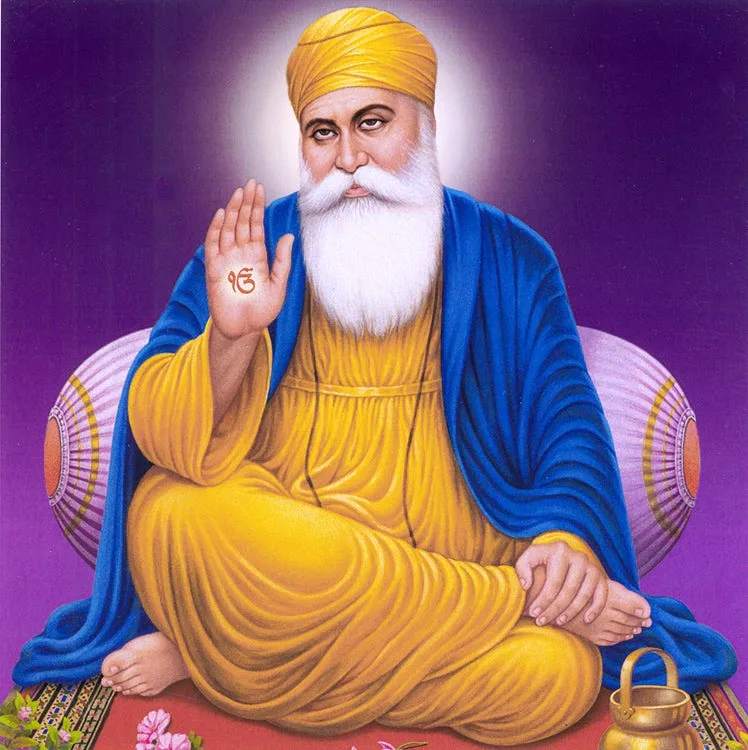
Sikhism began with the teachings of Guru Nanak Dev Ji (1469–1539). He taught people to worship one God, live honestly, help others, and reject blind rituals. Guru Nanak spread a message of peace, equality, and love among all people.
After Guru Nanak, nine other Gurus continued to guide the Sikh community. Sikhs believe that all ten Gurus carried the same spiritual light. After the tenth Guru, Guru Gobind Singh Ji, this spiritual authority was passed to the holy scripture called Guru Granth Sahib, which became the eternal Guru of Sikhism.
Main Beliefs of Sikhism
1. Belief in One God
Sikhism teaches that there is only One God, known as Ek Onkar. This means God is one and the same for all people, no matter their religion or background.
God is:
- Creator of the universe
- Present everywhere
- Without fear and hatred
- Eternal and formless
2. Equality of All Humans
Sikhism strongly teaches equality. According to Sikh teachings, all humans are equal in the eyes of God.
There should be no discrimination based on:
- Religion
- Caste
- Gender
- Race
- Social status
Men and women have equal rights in Sikhism. Women can lead prayers, participate in ceremonies, and perform religious duties.
3. Honest Living
Sikhs are taught to earn money through honest work. They should avoid cheating, stealing, and harmful business activities.
A Sikh should:
- Work honestly
- Speak truthfully
- Respect others
- Help people in need
4. Remembering God
Sikhs believe they should remember God in every action. This practice is called Simran or Nam Japna.
Prayer and meditation help Sikhs stay spiritually connected to God.
5. Rejection of Blind Rituals
Sikhism rejects meaningless rituals and superstitions such as:
- Idol worship
- Worship of the dead
- Blind fasting
- Superstitious beliefs
- Empty pilgrimages without devotion
Sikhism teaches that true devotion comes from good actions and pure thoughts.
Goal of Human Life in Sikhism
Sikhs believe the soul goes through many cycles of birth and death. Human life is precious because it gives the chance to connect with God.
The main goal of life is:
- To live truthfully
- To remove ego
- To serve humanity
- To merge with God
Sikhism does not support leaving family life to become spiritual. Instead, it teaches that one can achieve spiritual growth while living as a householder, raising a family, and working honestly.
History of Sikhism
Sikhism developed during a period when the Mughal Empire ruled much of India. During this time, religious pressure and conflicts were common.
Two Sikh Gurus were martyred:
- Guru Arjan Dev Ji
- Guru Tegh Bahadur Ji
They refused to give up their faith and were executed by Mughal rulers. Their sacrifices became important turning points in Sikh history.
These events later inspired the creation of the Khalsa, a disciplined Sikh community ready to defend truth, justice, and religious freedom.
The Khalsa
The Khalsa was established by Guru Gobind Singh Ji in 1699. The word Khalsa means “Pure.”
Members of the Khalsa commit themselves to:
- Courage
- Discipline
- Service
- Equality
- Justice
Both men and women can join the Khalsa through a baptism ceremony called Amrit Sanskar.
The Five Ks
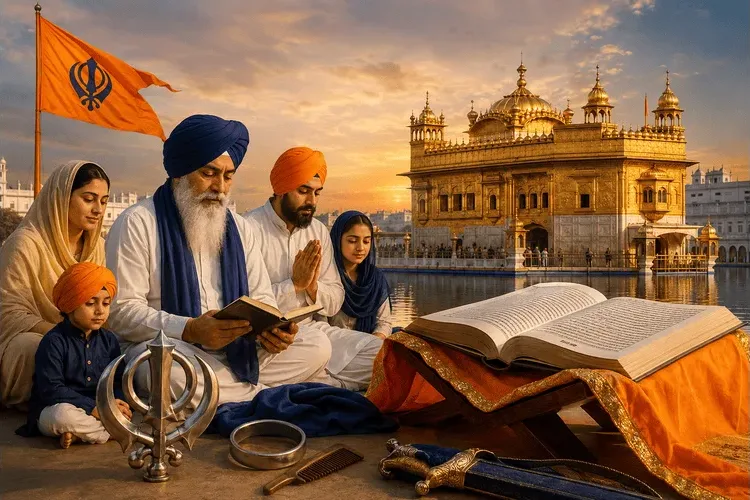
Khalsa Sikhs wear five physical symbols known as the Five Ks:
| Symbol | Meaning |
|---|---|
| Kesh | Uncut hair |
| Kangha | Wooden comb |
| Kara | Iron bracelet |
| Kachera | Cotton undergarment |
| Kirpan | Small sword/dagger |
These symbols remind Sikhs of discipline, faith, and responsibility.
Sikh Holy Book
The main holy scripture of Sikhism is the Guru Granth Sahib.
It contains:
- Teachings of Sikh Gurus
- Spiritual hymns
- Writings of saints from different backgrounds
Sikhs treat the Guru Granth Sahib as their eternal Guru.
Another important Sikh text is the Dasam Granth, associated with Guru Gobind Singh Ji, though its authorship has been debated.
Gurdwara: Sikh Place of Worship
A Gurdwara is the Sikh place of worship.
Anyone can enter a Gurdwara, regardless of religion, caste, or nationality.
Main activities in a Gurdwara:
- Prayer
- Singing hymns (Kirtan)
- Reading Guru Granth Sahib
- Community service
Langar
Every Gurdwara has a Langar, a free community kitchen.
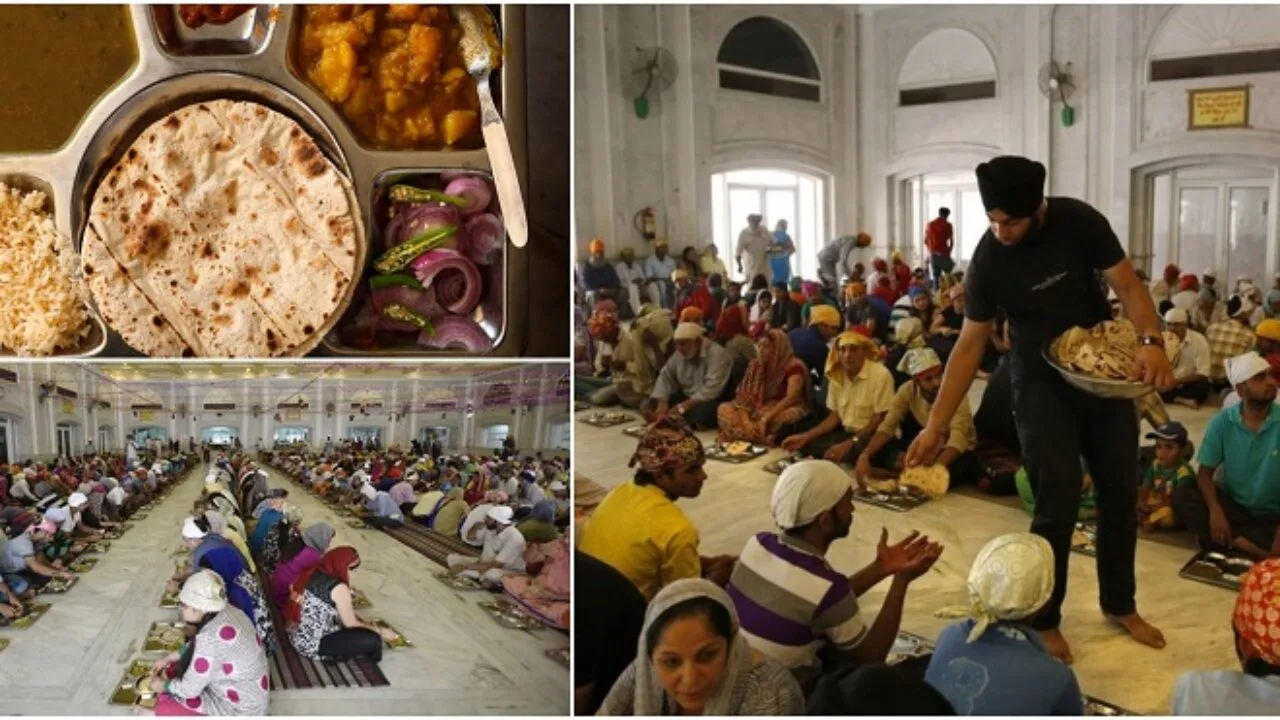
In Langar:
- Everyone sits together
- Everyone eats the same food
- Rich and poor are treated equally
Guru Nanak started this tradition to promote:
- Equality
- Humility
- Service
Four Major Sikh Rituals
Sikh religious life includes four major ceremonies.
1. Birth and Naming Ceremony
A newborn child is brought to the Gurdwara, where a name is chosen based on the holy scripture.
2. Anand Karaj (Marriage)
This is the Sikh marriage ceremony. It means “Blissful Union.”
3. Amrit Sanskar
This is the initiation ceremony into the Khalsa.
4. Funeral Ceremony
Sikhs believe death is part of God’s will, and funeral rituals focus on prayer and remembrance.
Three Main Duties of a Sikh
Sikh teachings summarize daily duties into three principles.
1. Nam Japna
Always remember God.
2. Kirat Karni
Earn through honest work.
3. Vand Chhakna
Share earnings with others and help those in need.
These principles guide Sikhs toward a balanced and meaningful life.
Five Vices in Sikhism
Sikhs are taught to avoid five major weaknesses that distance humans from God.
These are:
- Lust
- Greed
- Attachment
- Anger
- Pride
Avoiding these helps build a pure character.
The Ten Sikh Gurus
| Guru | Period |
| Guru Nanak Dev Ji | 1469–1539 |
| Guru Angad Dev Ji | 1504–1552 |
| Guru Amar Das Ji | 1479–1574 |
| Guru Ram Das Ji | 1534–1581 |
| Guru Arjan Dev Ji | 1563–1606 |
| Guru Hargobind Ji | 1595–1644 |
| Guru Har Rai Ji | 1630–1661 |
| Guru Harkrishan Ji | 1656–1664 |
| Guru Tegh Bahadur Ji | 1621–1675 |
| Guru Gobind Singh Ji | 1666–1708 |
Each Guru helped strengthen Sikh faith and values.
Important Gurudwaras in Sikhism
Panj Takht (Five Seats of Authority)
These five Takhts hold special importance in Sikhism.
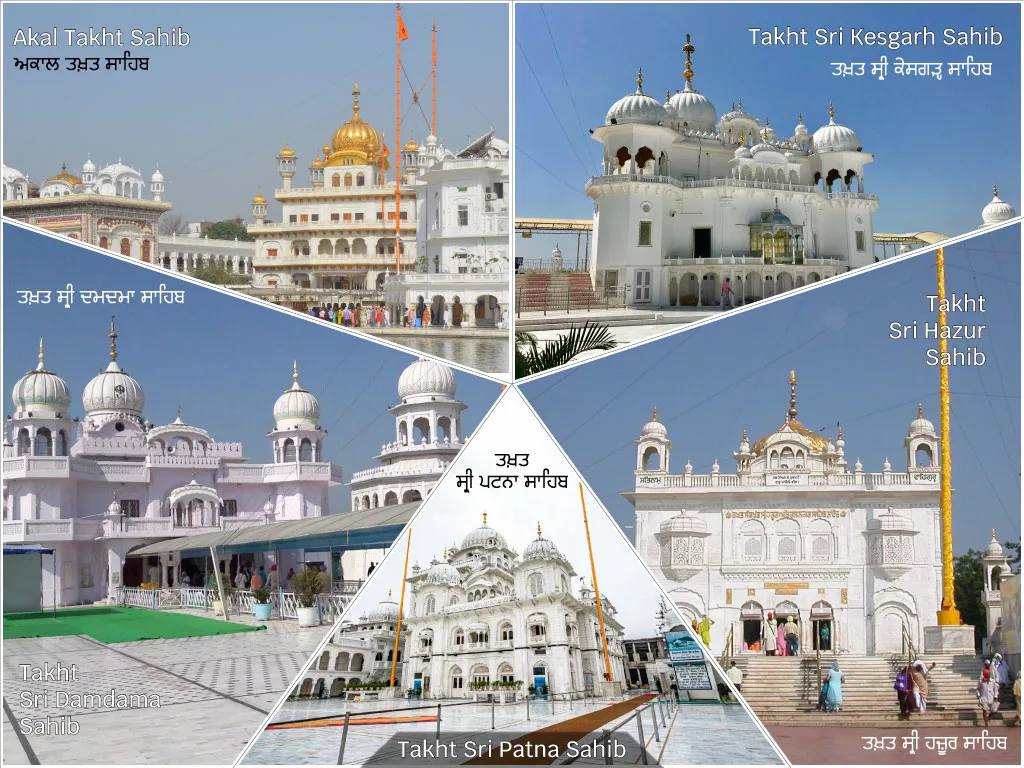
- Akal Takht Sahib – Amritsar, Punjab
- Takht Sri Keshgarh Sahib – Anandpur Sahib, Punjab
- Takht Sri Damdama Sahib – Bathinda, Punjab
- Takht Sri Patna Sahib – Patna, Bihar
- Takht Sri Hazur Sahib – Nanded, Maharashtra
Other important Gurudwaras include:
- Nankana Sahib (Pakistan) – Birthplace of Guru Nanak Dev Ji
- Darbar Sahib Kartarpur (Pakistan) – Place where Guru Nanak spent his final 18 years
Importance of Sikhism Today
Sikhism continues to inspire millions through its message of:
- Unity
- Service
- Equality
- Courage
- Faith in one God
The religion teaches that spiritual growth is possible while living a normal life filled with honesty, compassion, and service to humanity.
Sikhism became stronger through five major developments:
- Teachings of Guru Nanak
- Strengthening under Guru Hargobind
- Formation of Khalsa by Guru Gobind Singh
- Guru Granth Sahib becoming the eternal Guru
- Modern Sikh reforms in the 20th century
Sikhism remains a powerful example of faith combined with social responsibility and human equality.
FAQs
Q1. What is Sikhism?
Sikhism is a major religion founded by Guru Nanak Dev Ji in the 15th century in Punjab. It teaches belief in one God, equality, and service to humanity.
Q2. Who founded Sikhism?
Sikhism was founded by Guru Nanak Dev in 1469.
Q3. What is the holy book of Sikhism?
The holy book of Sikhism is the Guru Granth Sahib, which Sikhs consider their eternal Guru.
Q4. What are the main beliefs of Sikhism?
The main beliefs include:
- Belief in one God
- Equality of all humans
- Honest living
- Helping others
- Remembering God through prayer
Q5. What are the Five Ks in Sikhism?
The Five Ks are five symbols of faith worn by Khalsa Sikhs:
- Kesh
- Kangha
- Kara
- Kachera
- Kirpan
Q6. What is a Gurdwara?
A Gurdwara is the Sikh place of worship where people pray, listen to hymns, and take part in community service.
Q7. What is Langar in Sikhism?
Langar is a free community kitchen in every Gurdwara where all people are served food equally.
Q8. How many Gurus are there in Sikhism?
There are Ten Sikh Gurus, starting with Guru Nanak Dev and ending with Guru Gobind Singh.