


India BIMSTEC: Gateway to Growth

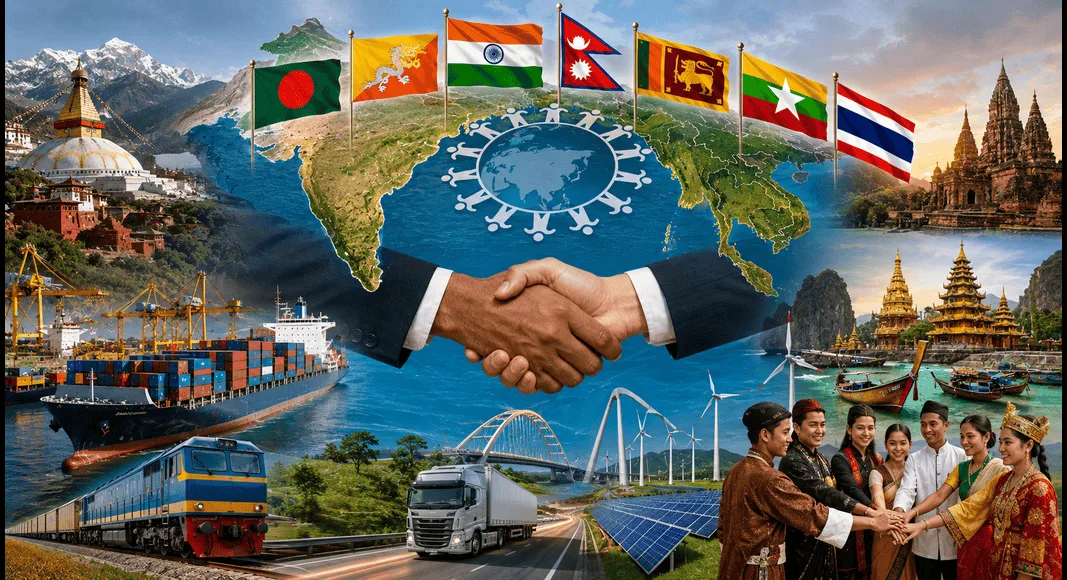
India BIMSTEC relations have become an important part of India’s foreign policy in recent years. BIMSTEC, which stands for the Bay of Bengal Initiative for Multi-Sectoral Technical and Economic Cooperation, connects countries of South Asia and Southeast Asia through economic, strategic, and cultural cooperation. India sees BIMSTEC as a key platform for strengthening regional connectivity, promoting trade, ensuring maritime security, and supporting its “Neighbourhood First” and “Act East” policies.
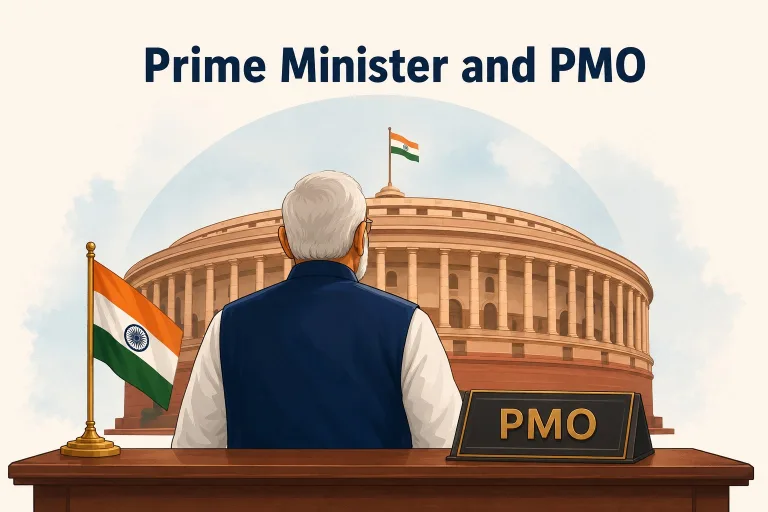
Thank you for reading this post, don't forget to subscribe!The importance of BIMSTEC increased significantly when the Prime Minister of India invited BIMSTEC leaders to his swearing-in ceremony instead of leaders from SAARC countries. This move highlighted India’s growing focus on BIMSTEC as a dynamic regional organization capable of delivering practical cooperation and development.
What is BIMSTEC?
BIMSTEC stands for the Bay of Bengal Initiative for Multi-Sectoral Technical and Economic Cooperation. It is a regional organization formed on 6 June 1997 through the Bangkok Declaration.
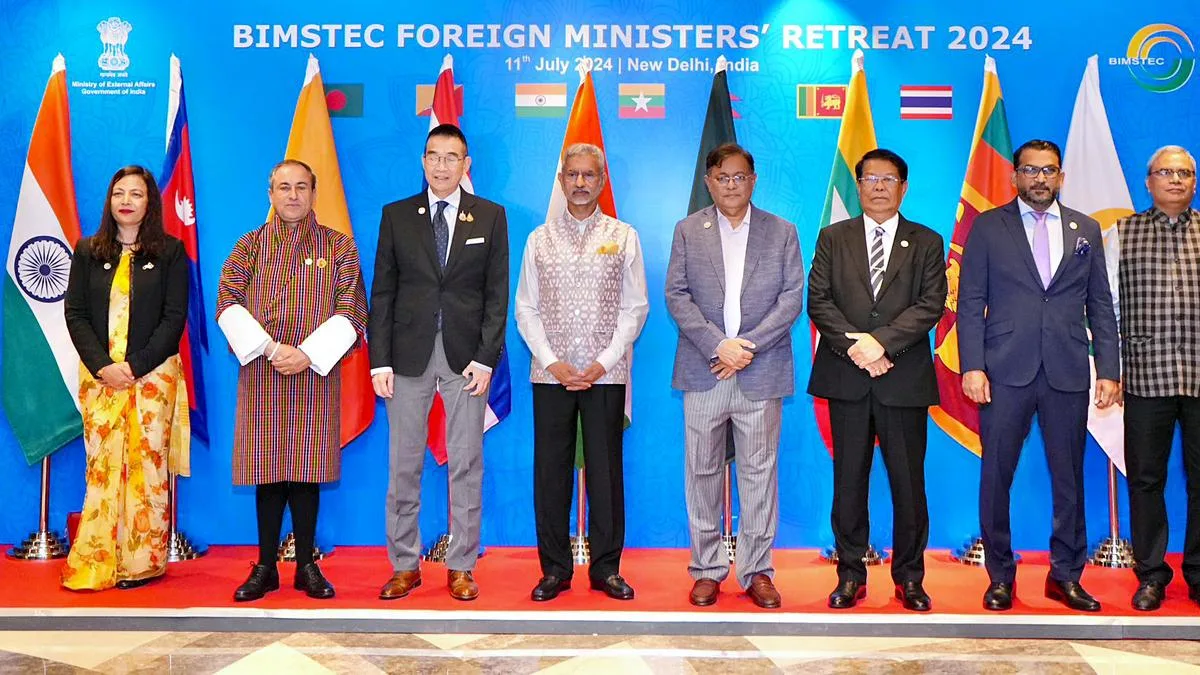
The organization includes seven member countries:
- India
- Bangladesh
- Bhutan
- Nepal
- Sri Lanka
- Myanmar
- Thailand
Among these countries, five belong to South Asia and two belong to Southeast Asia.
BIMSTEC serves as a bridge between South Asia and Southeast Asia and promotes cooperation in various sectors such as:
- Trade and investment
- Transportation
- Energy
- Tourism
- Technology
- Agriculture
- Fisheries
- Security
- Climate and environment
The Bay of Bengal region is one of the most important economic and strategic regions in the world, making BIMSTEC highly relevant for regional growth.
Why India Shifted Focus from SAARC to BIMSTEC
For many years, India actively participated in SAARC (South Asian Association for Regional Cooperation). However, several challenges prevented SAARC from achieving its full potential.
Problems with SAARC
One major reason was the political tensions between India and Pakistan. These tensions often blocked regional cooperation.
Some important issues included:
- Delay in implementing trade agreements.
- Failure of regional transport projects.
- Political disputes affecting economic cooperation.
- Lack of consensus among member countries.
After the Uri terrorist attack in 2016, India decided to strengthen alternative regional groupings. BIMSTEC emerged as a suitable platform because it excluded Pakistan and offered greater opportunities for cooperation.
BIMSTEC as an Alternative
BIMSTEC allows India to work closely with neighboring countries without being affected by the political deadlocks that often hindered SAARC.
As a result:
- BIMSTEC summits became more active.
- Regional projects received greater attention.
- Cooperation in security and connectivity increased.
Today, BIMSTEC is viewed as one of the most important regional organizations for India’s foreign policy.
Strategic Importance of BIMSTEC for India
Geographical Importance
The Bay of Bengal is the largest bay in the world and occupies a strategic position between South Asia and Southeast Asia.
More than 22% of the world’s population lives in BIMSTEC countries.
India’s eastern coastline and northeastern states are closely linked with the Bay of Bengal region. Therefore, cooperation through BIMSTEC directly supports India’s regional interests.
Economic Importance
The combined economy of BIMSTEC countries is worth several trillion dollars.
The member countries have shown strong economic growth over the years.
For India, BIMSTEC offers:
- Access to new markets
- Increased trade opportunities
- Investment opportunities
- Energy cooperation
- Supply chain diversification
As global trade patterns change, India needs multiple economic partnerships. BIMSTEC helps India reduce dependence on limited markets and expand economic cooperation.
Trade and Economic Cooperation
Trade is one of the most important pillars of BIMSTEC.
India is one of the largest economies in the group and contributes significantly to regional trade.
Benefits of BIMSTEC trade include:
- Easier movement of goods
- Better market access
- Reduced transportation costs
- Increased investment flows
- Stronger business partnerships
India exports various products to BIMSTEC countries, including:
- Machinery
- Pharmaceuticals
- Automobiles
- Textiles
- Engineering goods
At the same time, India imports raw materials, agricultural products, and industrial goods from member countries.
Need for a Free Trade Agreement
Experts believe that a comprehensive BIMSTEC Free Trade Agreement can:
- Boost regional trade
- Increase employment
- Improve economic integration
- Strengthen regional value chains
A successful trade framework would benefit all member nations.
Connectivity and Infrastructure Development
Connectivity is a major priority under BIMSTEC.
Improved connectivity can help people, goods, services, and ideas move more easily across borders.
Physical Connectivity
Important areas include:
- Roads
- Highways
- Railways
- Ports
- Inland waterways
Improved transport links reduce travel time and transportation costs.
Digital Connectivity
Modern economies depend heavily on digital networks.
BIMSTEC cooperation in:
- Internet infrastructure
- Digital payments
- Information technology
- Cybersecurity
can support economic growth across the region.
Importance for Northeast India
India’s northeastern states can greatly benefit from BIMSTEC.
These states can become gateways connecting India with:
- Bangladesh
- Myanmar
- Thailand
- Southeast Asia
Improved connectivity can bring:
- More trade
- Better infrastructure
- Tourism growth
- Employment opportunities
Maritime Security and the Bay of Bengal
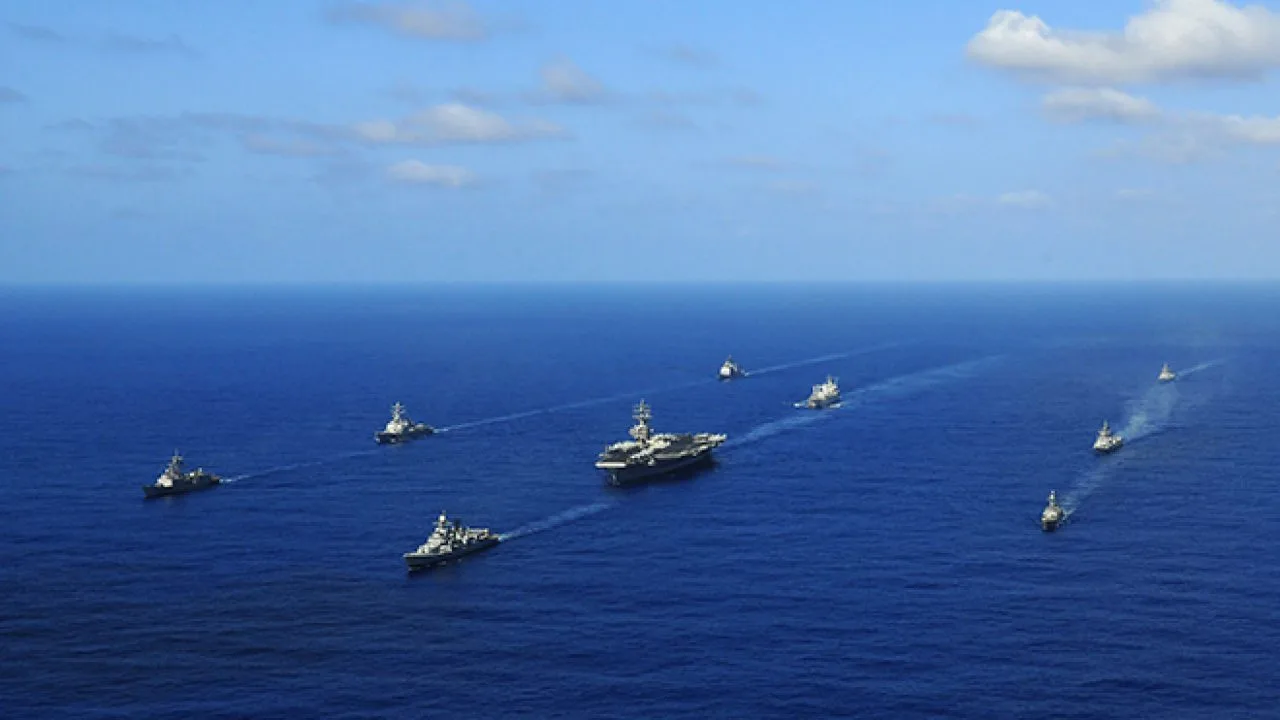
The Bay of Bengal is one of the world’s busiest maritime regions.
A large portion of global trade passes through these waters every year.
Security Challenges
The region faces several security concerns:
- Piracy
- Drug trafficking
- Human trafficking
- Illegal fishing
- Arms smuggling
- Maritime accidents
Through BIMSTEC, member countries can cooperate to address these challenges.
Joint Security Cooperation
Cooperation may include:
- Information sharing
- Naval exercises
- Disaster response
- Search and rescue operations
- Coastal surveillance
Such measures improve regional stability and security.
BIMSTEC and India’s Act East Policy
India’s Act East Policy aims to strengthen economic, political, and strategic relations with Southeast Asian countries.
BIMSTEC supports this policy by providing a direct platform connecting India with Southeast Asia.
Through BIMSTEC, India can:
- Increase trade with ASEAN countries.
- Improve regional connectivity.
- Enhance strategic partnerships.
- Promote cultural exchanges.
Thus, BIMSTEC serves as a natural extension of India’s Act East vision.
BIMSTEC and the SAGAR Vision
India’s SAGAR initiative stands for Security and Growth for All in the Region.
The initiative focuses on:
- Maritime security
- Regional cooperation
- Economic development
- Sustainable use of marine resources
BIMSTEC supports SAGAR by encouraging cooperation among countries surrounding the Bay of Bengal.
Together, BIMSTEC and SAGAR contribute to:
- Secure sea routes
- Blue economy development
- Disaster management
- Sustainable growth
Strategic Importance in the Indo-Pacific Region
The Indo-Pacific region has become one of the most important strategic areas in the world.
Major powers are increasing their presence in this region due to:
- Trade routes
- Energy resources
- Maritime security concerns
For India, BIMSTEC helps strengthen its influence in the Bay of Bengal and the broader Indo-Pacific region.
Countering Strategic Challenges
BIMSTEC allows India to:
- Build stronger regional partnerships.
- Promote a rules-based order.
- Enhance maritime cooperation.
- Protect strategic interests.
This becomes especially important as competition among major powers increases.
Cultural and People-to-People Relations
BIMSTEC countries share many cultural similarities.
These include:
- Historical connections
- Religious traditions
- Cultural exchanges
- Tourism links
Buddhism and Shared Heritage
Many BIMSTEC countries have strong Buddhist traditions.
Countries such as:
- India
- Bhutan
- Nepal
- Sri Lanka
- Myanmar
- Thailand
share important Buddhist heritage sites.
Developing Buddhist tourism circuits can:
- Increase tourism
- Strengthen cultural ties
- Promote mutual understanding
Educational Cooperation
Student exchanges, research collaborations, and academic partnerships can help strengthen regional relationships.
People-to-people contacts often create stronger and more lasting partnerships than official agreements alone.
Challenges Facing BIMSTEC
Despite its potential, BIMSTEC faces several challenges.
Limited Resources
The organization has limited financial and human resources.
This affects:
- Project implementation
- Administrative efficiency
- Institutional growth
Connectivity Gaps
Many member countries still face infrastructure challenges.
Poor transportation networks reduce regional integration.
Regional Conflicts
Political instability and border disputes in some regions can slow cooperation.
Issues such as:
- Refugee crises
- Internal conflicts
- Security concerns
can affect BIMSTEC’s progress.
Fear of Dominance
Some countries may worry about excessive influence from larger members.
India must ensure that BIMSTEC remains a partnership based on equality and mutual respect.
Slow Project Implementation
Many agreements take years to become operational.
Faster decision-making and execution are needed to achieve meaningful results.
The Way Forward
For BIMSTEC to become a successful regional organization, several steps are necessary.
Strengthen Political Commitment
Member countries should actively support BIMSTEC initiatives and ensure regular high-level meetings.
Improve Connectivity
Investment in:
- Roads
- Railways
- Ports
- Digital infrastructure
must be increased.
Expand Trade
A comprehensive free trade agreement can unlock the region’s economic potential.
Promote Cultural Cooperation
Cultural exchanges, tourism, educational programs, and heritage projects can strengthen regional unity.
Strengthen Institutions
The BIMSTEC Secretariat should receive adequate resources and authority to coordinate regional projects effectively.
Encourage Private Sector Participation
Businesses, industries, and entrepreneurs should play a greater role in BIMSTEC-led development.
Conclusion
India BIMSTEC cooperation has become a central pillar of India’s regional foreign policy. BIMSTEC connects South Asia and Southeast Asia through trade, connectivity, security cooperation, cultural exchanges, and economic development. The organization complements India’s Neighbourhood First Policy, Act East Policy, and SAGAR vision.
Although BIMSTEC faces challenges such as limited resources, connectivity gaps, and regional instability, its potential remains enormous. With stronger political commitment, improved infrastructure, deeper economic integration, and active people-to-people engagement, BIMSTEC can emerge as one of the most influential regional organizations in Asia.
For India, BIMSTEC is not only a regional grouping but also a strategic platform that can promote peace, prosperity, connectivity, and sustainable development across the Bay of Bengal region in the years ahead.
FAQs About India BIMSTEC
1. What is BIMSTEC?
BIMSTEC stands for the Bay of Bengal Initiative for Multi-Sectoral Technical and Economic Cooperation, a regional organization of seven countries.
2. Which countries are members of BIMSTEC?
India, Bangladesh, Bhutan, Nepal, Sri Lanka, Myanmar, and Thailand are BIMSTEC members.
3. When was BIMSTEC established?
BIMSTEC was established on 6 June 1997 through the Bangkok Declaration.
4. Why is BIMSTEC important for India?
It helps India strengthen regional connectivity, trade, security, and cooperation with South and Southeast Asian countries.
5. How is BIMSTEC different from SAARC?
Unlike SAARC, BIMSTEC does not include Pakistan and focuses on practical regional cooperation around the Bay of Bengal.
6. What is India’s Act East Policy in relation to BIMSTEC?
BIMSTEC supports India’s Act East Policy by connecting India with Southeast Asian nations.
7. What are the major areas of BIMSTEC cooperation?
Trade, transport, energy, technology, tourism, security, agriculture, and disaster management.
8. How does BIMSTEC benefit India’s Northeast region?
It improves connectivity, trade opportunities, infrastructure development, and access to Southeast Asian markets.
9. What is the role of BIMSTEC in maritime security?
It promotes cooperation against piracy, trafficking, illegal fishing, and other maritime challenges in the Bay of Bengal.
10. What are the main challenges facing BIMSTEC?
Limited resources, connectivity gaps, regional instability, and slow implementation of projects.