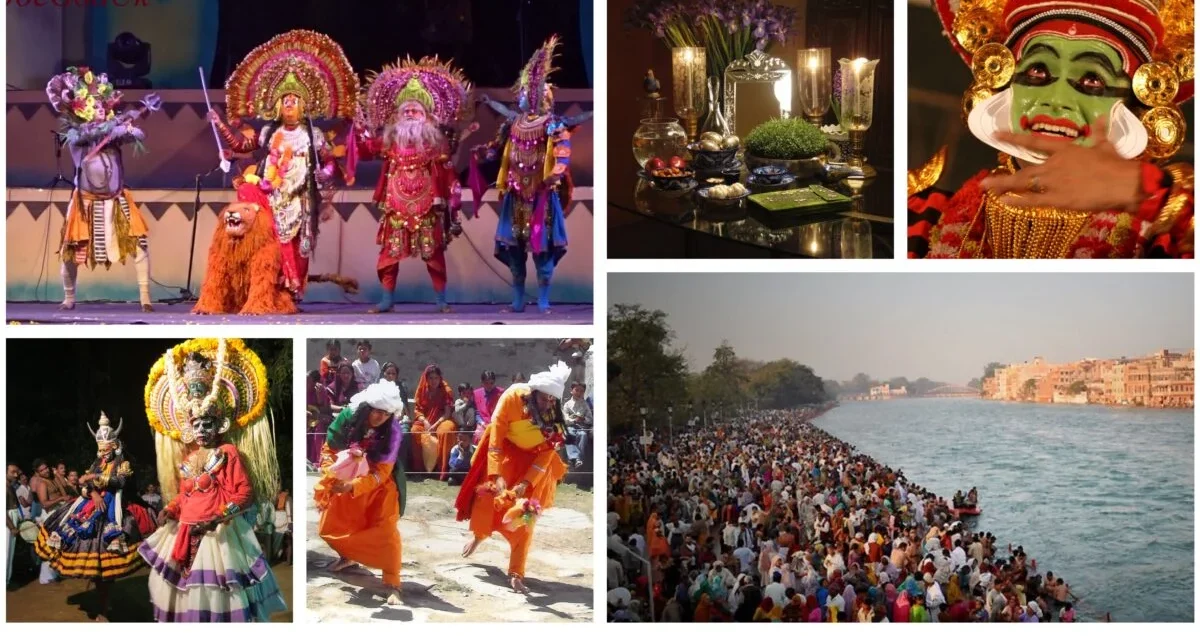
Intangible Cultural Heritage of India: Traditions & UNESCO List

Intangible Cultural Heritage of India is one of the most important aspects of the country’s identity. It represents the living traditions, customs, and practices that are passed from one generation to another. Unlike monuments or physical objects, intangible cultural heritage (ICH) includes traditions like music, dance, rituals, festivals, knowledge systems, and craftsmanship that form the soul of Indian culture.
Thank you for reading this post, don't forget to subscribe!India is known for its rich and diverse cultural traditions, and its intangible cultural heritage reflects this diversity. From ancient Vedic chanting to colorful dances like Garba, these traditions continue to connect people with their roots.
What is Intangible Cultural Heritage (ICH)?
Intangible Cultural Heritage (ICH) refers to:
- Practices, traditions, and expressions that communities recognize as part of their culture.
- Knowledge and skills that are passed down through generations.
- Cultural expressions like songs, rituals, festivals, and craftsmanship.
In simple words, ICH is the living culture of people.
Key Points:
- It is not physical like monuments or buildings.
- It includes traditions, customs, and knowledge.
- It helps preserve identity and cultural continuity.
Domains of Intangible Cultural Heritage
According to UNESCO, intangible cultural heritage is divided into five main domains:
1. Oral Traditions and Expressions
- Includes storytelling, folklore, and languages.
- Language acts as a carrier of culture and traditions.
2. Performing Arts
- Includes music, dance, theatre, and drama.
- Examples: classical dances, folk performances.
3. Social Practices, Rituals, and Festivals
- Cultural events and religious celebrations.
- Examples: festivals, ceremonies, and rituals.
4. Knowledge About Nature and Universe
- Traditional knowledge about farming, weather, and nature.
- Includes healing practices and ecological wisdom.
5. Traditional Craftsmanship
- Skills used to create handmade items.
- Includes pottery, metalwork, weaving, etc.
Intangible Cultural Heritage of India (UNESCO List)
India has many traditions listed by UNESCO under the Representative List of Intangible Cultural Heritage of Humanity. These traditions show India’s cultural richness.
Important Elements:
| No. | Heritage Element | Year |
|---|---|---|
| 1 | Kutiyattam | 2008 |
| 2 | Vedic Chanting | 2008 |
| 3 | Ramlila | 2008 |
| 4 | Ramman | 2009 |
| 5 | Chhau Dance | 2010 |
| 6 | Kalbelia Dance | 2010 |
| 7 | Mudiyettu | 2010 |
| 8 | Buddhist Chanting of Ladakh | 2012 |
| 9 | Sankirtana | 2013 |
| 10 | Thatheras Brass Craft | 2014 |
| 11 | Nowruz | 2016 |
| 12 | Yoga | 2016 |
| 13 | Kumbh Mela | 2017 |
| 14 | Durga Puja | 2021 |
| 15 | Garba | 2023 |
Detailed Explanation of Major ICH Elements

1. Kutiyattam (Kerala)
- One of the oldest living theatre traditions in India, with roots going back more than 2000 years.
- It combines classical Sanskrit drama with local traditions of Kerala, creating a unique performance style.
- Special importance is given to eye expressions (Neta Abhinaya) and hand gestures (Hasta Abhinaya) to show emotions.
- A single act can take many days, and full performances may last up to 40 days in temple theatres called Kuttampalams.
2. Vedic Chanting
- One of the oldest oral traditions in the world, based on the sacred Vedas written over 3500 years ago.
- The Vedas include hymns, philosophy, rituals, and knowledge passed through memory, not writing.
- Brahmin priests developed special chanting techniques to preserve exact pronunciation and meaning.
- Today, only a few recitation styles survive, making it a rare and valuable heritage.
3. Ramlila
- A dramatic performance based on the epic Ramayana, showing the life of Lord Rama.
- It includes songs, dialogues, narration, and acting, especially during the Dussehra festival.
- The story mainly focuses on the battle between Rama and Ravana, symbolizing good over evil.
- Many performances are based on the Ramcharitmanas written by Tulsidas in the 16th century.
4. Ramman (Uttarakhand)
- A unique religious festival held in the villages of Saloor-Dungra in Uttarakhand.
- It is dedicated to the local deity Bhumiyal Devta and celebrated with rituals and performances.
- The festival includes storytelling, masked dances, and recitation of epic tales like Ramayana.
- Only selected community members perform sacred roles, including wearing special masks like Narasimha.
5. Chhau Dance
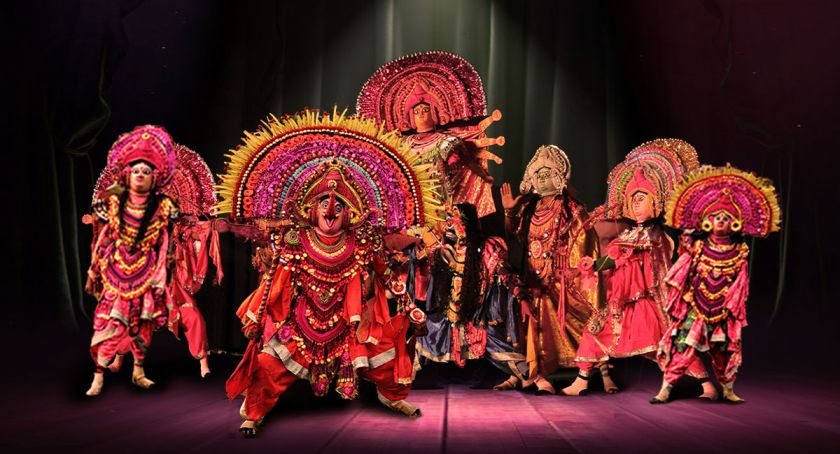
- A traditional dance form from eastern India, especially Jharkhand, Odisha, and West Bengal.
- It tells stories from epics like Mahabharata and Ramayana along with local folklore.
- The dance includes martial arts movements, animal-like actions, and sometimes colorful masks.
- It is usually performed at night in open spaces with traditional music instruments.
6. Kalbelia Dance
- A famous folk dance of Rajasthan performed by the Kalbelia community, once known for snake handling.
- The dance movements copy the smooth and flexible motion of snakes.
- Women wear black swirling skirts with mirror work, while men play instruments like poongi and khanjari.
- Songs are created spontaneously and passed orally without written records.
7. Mudiyettu
- A ritual dance drama from Kerala based on the story of Goddess Kali and demon Darika.
- Before the performance, a large image of Kali is drawn on the ground using colored powders.
- The story shows how Goddess Kali defeats the demon to protect the world.
- It is performed annually in temples called Bhagavati Kavus in different villages.
8. Buddhist Chanting of Ladakh
- Practiced in monasteries of Ladakh, where monks chant sacred Buddhist texts.
- It reflects the teachings of Buddha and includes traditions of Mahayana and Vajrayana Buddhism.
- Chanting is performed with music, instruments, and symbolic hand gestures (mudras).
- It takes place during important rituals, festivals, and life events in the community.
9. Sankirtana (Manipur)
- A religious performance that includes singing, drumming, and dancing in Manipur.
- It tells the stories and life of Lord Krishna through music and movement.
- Usually performed by a group of singers and drummers in temples or homes.
- It plays an important role in bringing people together and strengthening community bonds.
10. Thatheras Brass Craft (Punjab)
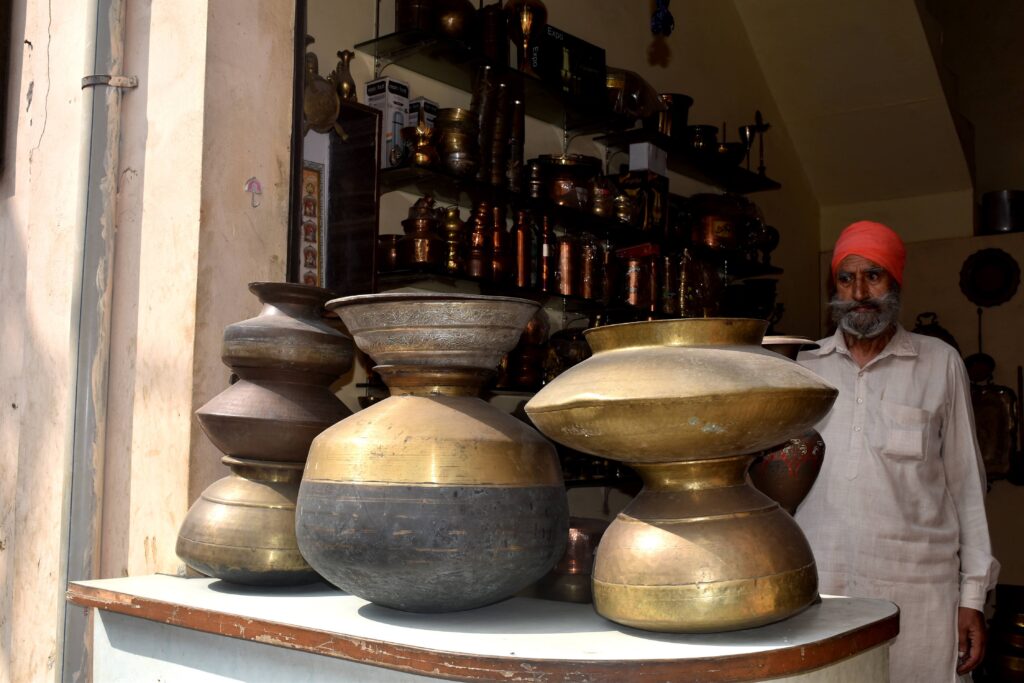
- A traditional craft of making brass and copper utensils by the Thatheras community.
- Metal sheets are heated and hammered into different shapes like pots and plates.
- The process requires great skill and careful temperature control using simple tools.
- Final polishing is done using natural materials like sand and tamarind.
11. Nowruz
- A New Year festival celebrated by Parsis and some Muslim communities.
- It is observed on 21st March in many countries including India.
- Families gather around a decorated table with symbolic items representing prosperity and purity.
- Special meals are prepared, and people celebrate with joy and unity.
12. Yoga
- An ancient Indian practice that focuses on physical, mental, and spiritual well-being.
- It includes postures (asanas), breathing exercises, meditation, and chanting.
- Yoga aims to create harmony between body, mind, and soul.
- Traditionally taught through the Guru-Shishya (teacher-student) system.
13. Kumbh Mela
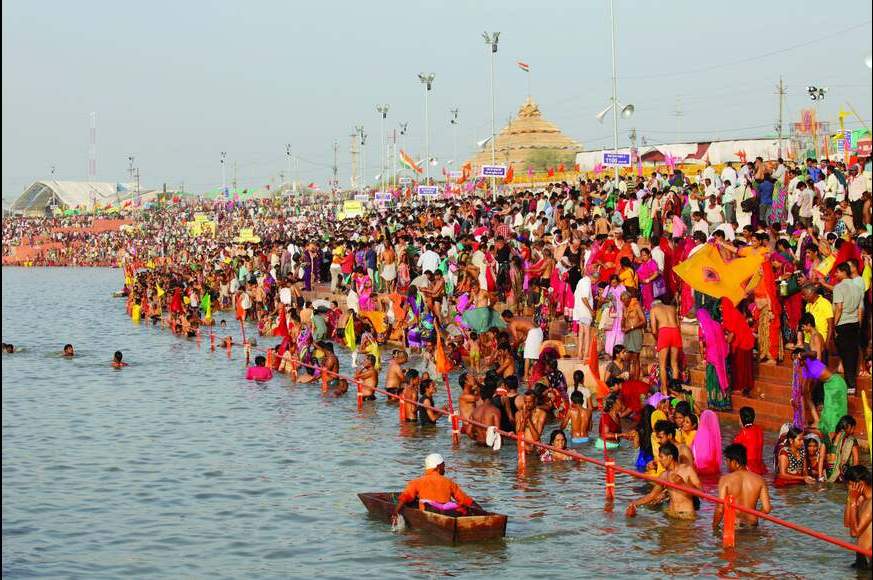
- The largest peaceful gathering of people in the world, held in India.
- Takes place every four years in cities like Prayagraj, Haridwar, Ujjain, and Nashik.
- Millions of devotees take a holy dip in sacred rivers like the Ganga.
- It is believed that this bath cleanses sins and gives spiritual freedom.
14. Durga Puja
- One of the biggest festivals in India, especially in Kolkata.
- Celebrates Goddess Durga’s victory over evil forces.
- Beautiful idols are created, worshipped, and later immersed in rivers.
- The festival promotes art, culture, and participation of all sections of society.
15. Garba (Gujarat)
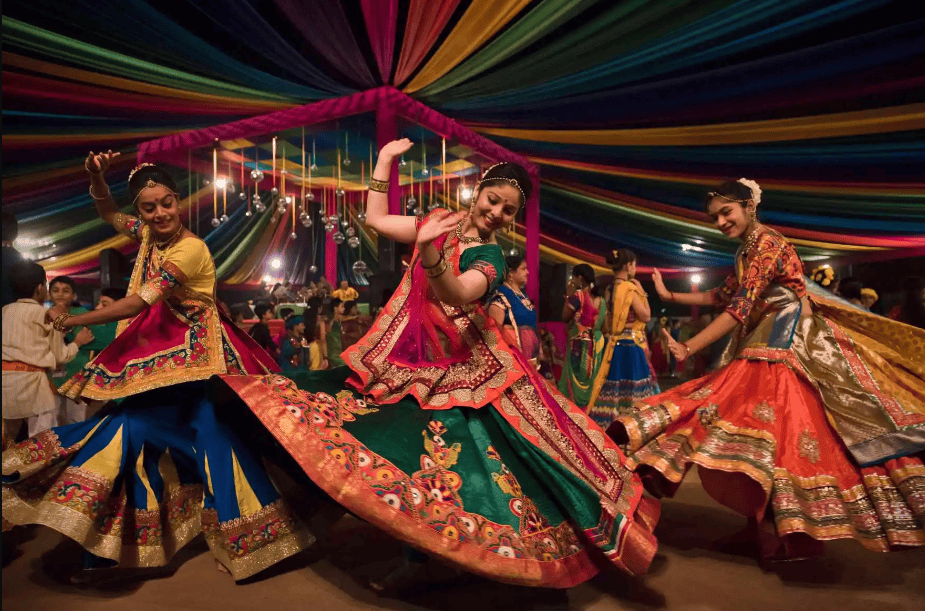
- A popular folk dance performed during the Navratri festival.
- Dancers move in circles around a lamp or image of Goddess Amba.
- The dance represents the worship of feminine energy or Shakti.
- It starts slowly and becomes faster with energetic clapping and movements.
Significance of Intangible Cultural Heritage
Cultural Identity
- Helps people understand their roots and traditions.
- Builds a sense of belonging in society.
Social Unity
- Brings communities together during festivals and rituals.
- Strengthens social bonds.
Knowledge Preservation
- Protects traditional knowledge and skills.
- Passes wisdom to future generations.
Economic Importance
- Supports local artisans and performers.
- Promotes tourism and cultural industries.
Need for Conservation of ICH
Challenges:
- Modernization and urbanization.
- Loss of interest among younger generations.
- Lack of proper documentation.
- Decline in traditional occupations.
Solutions:
- Promote awareness through education.
- Provide financial support to artists.
- Encourage cultural programs and festivals.
- Use digital platforms to preserve traditions.
Role of Government and Society
- Government schemes support artisans and performers.
- Cultural institutions document traditions.
- NGOs and researchers work on preservation.
- Communities play the most important role in keeping traditions alive.
Conclusion
Intangible Cultural Heritage of India is a treasure that reflects the country’s deep history, diversity, and creativity. These living traditions are not just part of the past but are actively practiced in the present.
To protect this rich heritage, it is important to support artists, encourage youth participation, and promote awareness. By doing so, India can ensure that its cultural traditions continue to thrive for future generations.
FAQs on Intangible Cultural Heritage of India
1. What is Intangible Cultural Heritage of India?
Intangible Cultural Heritage of India includes traditions, customs, rituals, dances, music, and knowledge passed from one generation to another. It represents the living culture of people.
2. Who protects Intangible Cultural Heritage?
UNESCO works globally to identify and protect intangible cultural heritage through its 2003 Convention.
3. How many Intangible Cultural Heritage elements does India have?
India currently has 15 elements listed in UNESCO’s Representative List of Intangible Cultural Heritage of Humanity.
4. Give some examples of Intangible Cultural Heritage of India.
Examples include Yoga, Kumbh Mela, Ramlila, and Garba.
5. Why is Intangible Cultural Heritage important?
It helps preserve culture, strengthens social unity, and keeps traditions alive for future generations.
6. What are the main domains of Intangible Cultural Heritage?
The five domains are oral traditions, performing arts, social practices, knowledge of nature, and traditional craftsmanship.
7. What are the threats to Intangible Cultural Heritage?
Modernization, lack of interest among youth, and loss of traditional skills are major threats.
8. How can we protect Intangible Cultural Heritage?
We can protect it by promoting awareness, supporting artists, and encouraging young people to learn traditions.