




Agricultural Reforms in India: Meaning, Benefits, Challenges and Farmers’ Concerns

Agricultural Reforms are important changes made in farming laws and policies to improve the agriculture sector and increase farmers’ income. In India, agriculture supports millions of people and plays a major role in the economy. However, farmers often face many problems such as low prices for crops, poor storage facilities, dependence on middlemen, and rising farming costs.
Thank you for reading this post, don't forget to subscribe!To improve this situation, the Government of India introduced three major agricultural laws in 2020. These laws aimed to modernize agricultural markets, improve trade, attract private investment, and help farmers earn better income. The three important laws were:
- The Farmers’ Produce Trade and Commerce (Promotion and Facilitation) Act, 2020
- The Farmers (Empowerment and Protection) Agreement of Price Assurance and Farm Services Act, 2020
- Essential Commodities (Amendment) Act, 2020
These reforms created both support and opposition across the country.
Why Agricultural Reforms Were Needed
For many years, Indian farmers sold their crops mainly through Agricultural Produce Market Committees (APMCs), also called mandis. In these markets, farmers often depended on middlemen to sell their produce. Because of this system, many farmers did not receive fair prices.
Some major problems in Indian agriculture included:
- Limited market access
- High transportation costs
- Lack of cold storage and warehouses
- Too much dependence on middlemen
- Low bargaining power of small farmers
- Price fluctuations in the market
Agricultural reforms were introduced to solve these problems and create better opportunities for farmers.
The Farmers’ Produce Trade and Commerce Act, 2020
This law gave farmers more freedom in selling their crops.

Main Features
- Farmers could sell produce outside APMC mandis
- They could sell within the state or outside the state
- No market fee or tax was charged in new trade areas
- Electronic trading was also allowed
Benefits of This Act
Freedom to Farmers
Farmers got the freedom to choose where and to whom they wanted to sell their crops. They were no longer limited only to local mandis.
Better Prices
When farmers have more buyers, competition increases. This can help farmers get better prices for their produce.
Lower Costs
Selling directly to buyers reduces transportation and commission costs.
One Nation, One Market
This law supported the idea of one national agriculture market where produce could move freely across states.
Farmers Agreement on Price Assurance and Farm Services Act, 2020
This law is commonly linked with contract farming.
Contract farming means a farmer and a buyer make an agreement before crop production. The buyer promises to purchase the crop at a pre-decided price.
Main Features
- Farmers can sign agreements with companies, exporters, processors, or retailers
- Prices are decided before cultivation
- Agreements may include seeds, technology, and farm support
- Dispute settlement systems were included
Benefits of Contract Farming
Protection from Price Changes
Farmers often suffer when market prices suddenly fall. With pre-agreed prices, farmers get income security.
Access to Better Technology
Private companies may provide better seeds, modern equipment, and improved farming methods.
Reduced Risk
The risk of market uncertainty shifts partly from farmers to sponsors or buyers.
More Investment
This law encouraged private investment in agriculture infrastructure like warehouses and supply chains.
Removal of Middlemen
Farmers could directly deal with buyers instead of depending fully on traders.
Essential Commodities Amendment Act, 2020
The Essential Commodities Act was first introduced in 1955 to control the supply and prices of essential goods.
Earlier, strict stock limits discouraged private companies from storing agricultural products in large amounts.
Why Amendment Was Needed
India now produces surplus quantities of many agricultural products such as:
- Cereals
- Pulses
- Onions
- Potatoes
- Oilseeds
- Edible oils
Even with high production, farmers often did not get good prices because storage and processing facilities were weak.
Key Changes
The amendment reduced government control over stocking of certain agricultural commodities.
Stock limits would now be imposed only during special situations such as:
- War
- Famine
- Natural disasters
- Extraordinary price rise
Benefits of Amendment
More Private Investment
Businesses became more willing to invest in agriculture due to reduced restrictions.
Better Storage Facilities
More cold storage and warehouses could be built.
Less Wastage
Many crops spoil due to poor storage. Better infrastructure can reduce food wastage.
Stable Prices
Improved storage and supply chain management can help maintain stable prices.
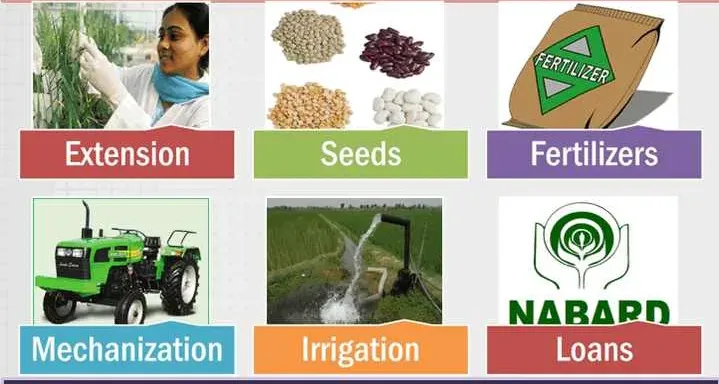
Importance of Agricultural Reforms
These reforms were seen as a major step toward transforming Indian agriculture.
Support for Small Farmers
Small farmers usually have weak bargaining power. Reforms aimed to connect them with more buyers and better markets.
Improved Supply Chains
Private investment can help create stronger supply chains from farms to consumers.
Better National and Global Access
Farm produce could reach national and international markets more efficiently.
Promotion of Farmer Producer Organisations (FPOs)
Farmer groups can sell together, increasing bargaining power and reducing costs.
Healthy Competition
More buyers create competition, which can protect farmers from exploitation.
Farmers’ Protest and Major Concerns
Despite the expected benefits, many farmers strongly opposed these laws. Large protests took place, especially in Punjab and Haryana.
The main concerns were:
Federal Concerns
Agriculture is largely a state subject in India. Many states felt the central government reduced their authority.
States feared losing control over agricultural trade and market regulation.
Lack of Consultation
Many stakeholders believed the laws were passed too quickly without enough discussion with farmers and state governments.
This increased mistrust.
Fear About MSP
Farmers feared that over time the Minimum Support Price (MSP) system might weaken.
MSP is the price at which the government buys crops from farmers to ensure minimum income protection.
Although the laws did not directly remove MSP, many farmers worried private markets would slowly replace government procurement.
Corporate Dominance
Many farmers feared large companies would become too powerful.
Since big corporations have more money and legal strength, small farmers worried they might face unfair agreements.
Weak Regulation Outside Mandis
In non-APMC markets, regulations were less strict.
Farmers worried that without proper regulation, disputes with private buyers would be difficult to solve.
Market Conditions Not Always Favorable
Even if markets become free, prices are not always fair.
Farmers pointed out rising costs of:
- Seeds
- Fertilizers
- Fuel
- Labour
Because of these costs, many doubted whether free markets alone could guarantee good income.
Example of Bihar
Farmers often mentioned Bihar, which removed APMC markets in 2006.
Many reports showed farmers there often received prices below MSP for several crops.
This strengthened fears about market-based reforms.
Impact on Different Stakeholders
Farmers
Farmers gained freedom to sell directly and enter agreements with private buyers. This could increase profits but also increase risks.
Consumers
Consumers may benefit from improved supply chains and lower prices due to efficient markets.
Middlemen
Middlemen may continue to exist, but their influence could reduce.
State Governments
States like Punjab and Haryana feared revenue loss because mandi taxes are an important income source.
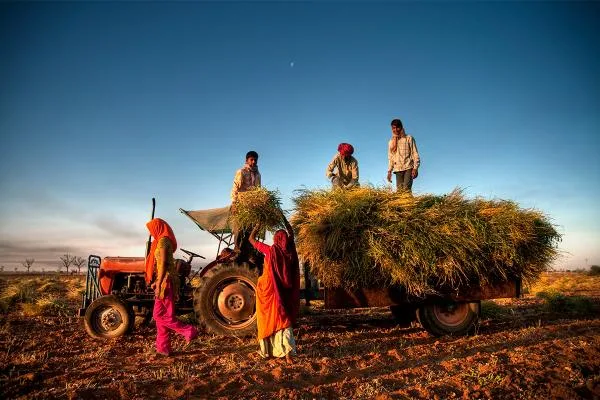
The Future of Agricultural Reforms
Agricultural reforms can help modernize farming, but laws alone are not enough. Real improvement requires better infrastructure and stronger farmer support systems.
Important steps for future progress include:
Better Infrastructure
Government should invest in:
- Roads
- Storage facilities
- Cold chains
- Transport networks
- Digital market platforms
Strong Farmer Support
Farmers need training, market information, and awareness about contracts and pricing.
Strengthening APMC Markets
Instead of weakening mandis completely, reforms should improve them and remove corruption.
State-Level Empowerment
State farmer commissions can respond faster to local agricultural problems.
Balanced Policy
A balance between free markets and farmer protection is necessary.
Agricultural reforms can transform Indian farming if implemented carefully. The goal should be to increase farmers’ income, improve food supply chains, reduce wastage, and ensure both farmers and consumers benefit from a fair and transparent system.
FAQs
Q1. What are agricultural reforms?
Agricultural reforms are changes in farming laws and policies aimed at improving the agriculture sector, increasing farmers’ income, and creating better market opportunities.
Q2. Which three agricultural laws were introduced in 2020?
The three agricultural laws introduced in 2020 were:
- Farmers’ Produce Trade and Commerce Act
- Farmers Agreement on Price Assurance and Farm Services Act
- Essential Commodities Amendment Act
Q3. Why were agricultural reforms needed in India?
Agricultural reforms were needed to solve problems like low crop prices, lack of storage, dependence on middlemen, and poor market access for farmers.
Q4. What is APMC?
APMC stands for Agricultural Produce Market Committee. It is a regulated market where farmers traditionally sell their crops.
Q5. What is contract farming?
Contract farming is an agreement between farmers and buyers where crops are sold at pre-decided prices before cultivation.
Q6. How do agricultural reforms help farmers?
These reforms can help farmers by giving them more selling options, reducing middlemen, improving market access, and increasing chances of better prices.
Q7. Why did farmers protest against these laws?
Many farmers feared weakening of MSP, corporate control, weak regulations outside mandis, and loss of state authority over agriculture.
Q8. What is MSP?
MSP stands for Minimum Support Price. It is the minimum price at which the government purchases crops from farmers to protect them from low market prices.