


OTT Platforms in India: Growth, Regulation, Challenges and Future

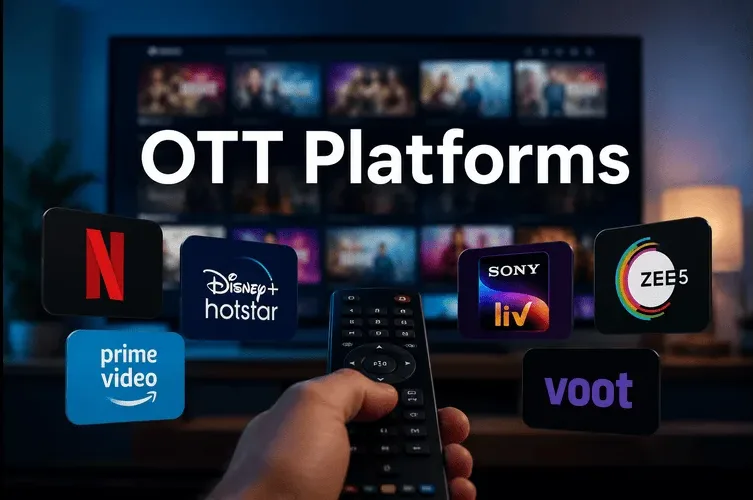
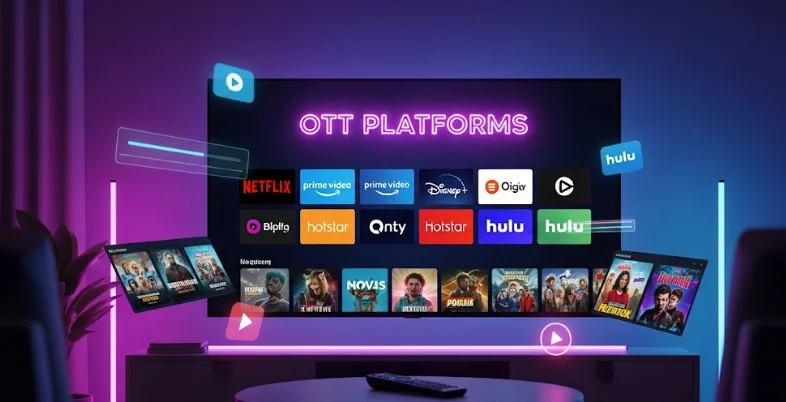
OTT Platforms have become a major part of modern entertainment. Today, millions of people watch movies, web series, documentaries, sports, and news using OTT platforms. These platforms allow users to stream content directly through the internet without needing cable TV or satellite services. Popular OTT platforms include Netflix, Amazon Prime Video, and Disney+ Hotstar.
Thank you for reading this post, don't forget to subscribe!In recent years, OTT platforms have changed the way people consume entertainment in India. People now prefer watching content anytime and anywhere using smartphones, laptops, smart TVs, and tablets. Because of this growing popularity, the government has started paying more attention to how these platforms operate.
What are OTT Platforms?
OTT stands for Over-The-Top. It refers to digital streaming services that provide audio and video content through the internet. Unlike traditional television, OTT platforms do not need cable or dish connections. Users only need internet access.
At first, these platforms mainly hosted movies and videos made by others. But later, they started producing their own original content such as web series, films, short movies, and documentaries. Many OTT companies now spend large amounts of money creating exclusive shows to attract more viewers.
One important feature of OTT platforms is the use of Artificial Intelligence (AI). AI studies the user’s viewing habits and suggests content based on past preferences. For example, if a user watches action movies often, the platform will recommend similar content.
Many OTT platforms offer both free and paid content. Free content may include advertisements, while premium content usually requires a monthly or yearly subscription.
Why are OTT Platforms in News?
OTT platforms came into the spotlight when the Government of India brought video streaming services under the Ministry of Information and Broadcasting. Earlier, these platforms were mainly under the Ministry of Electronics and Information Technology.
This move became important because OTT platforms were growing rapidly, but there were limited rules to monitor the type of content being shown. Since millions of people, including children, can easily access online content, the government felt there was a need for better regulation.
The decision also included online news and current affairs platforms. This means digital media is now more directly monitored by the government.
Growth of OTT Platforms in India
India is one of the fastest-growing OTT markets in the world. The increase in smartphone users, cheaper internet, and affordable data plans have helped this growth.
Several reasons have made OTT platforms popular in India:
1. Cheap Internet Access
The cost of internet data in India is among the lowest in the world. This has made streaming easier for people in cities as well as villages.
2. Rising Smartphone Usage
More people now own smartphones, making OTT content accessible everywhere.
3. Flexible Viewing
Unlike television, OTT users can watch content whenever they want. They do not have to follow a fixed schedule.
4. Variety of Content
OTT platforms offer movies, sports, cartoons, documentaries, regional content, and international shows.
5. Regional Language Content
Indian OTT platforms now provide content in many languages such as Hindi, Assamese, Bengali, Tamil, Telugu, and more. This has increased their reach.
With nearly 500 million internet users and increasing digital access, India’s OTT industry continues to expand rapidly.
Self-Regulation by OTT Platforms
Before government regulation, many OTT companies tried to regulate themselves.
In January 2019, eight video streaming services signed a self-regulatory code. This code included rules about what type of content should not be shown.
The code prohibited content such as:
- Content that insults the national flag or national emblem
- Child pornography or any exploitation of children
- Content that hurts religious feelings intentionally
- Content that supports terrorism
- Content banned by courts or law
Although this was a positive step, self-regulation had limitations because there was no strong legal authority to enforce these rules.
Issues with OTT Platforms
Even though OTT platforms offer many benefits, they also create several challenges.
1. Lack of Content Regulation
For a long time, there was no specific law to regulate digital streaming content. Unlike TV channels, OTT platforms had more freedom in deciding what to show.
This raised concerns because some shows contained:
- Strong violence
- Adult scenes
- Offensive language
- Sensitive political or religious topics
Without proper regulation, such content could be easily viewed by people of all age groups.
2. Easy Access for Children
Children and teenagers can access OTT content using smartphones. Even with age restrictions, parental control is not always used properly.
This increases the risk of underage viewers watching unsuitable content.
3. Subscription and Pricing Issues
Many OTT platforms charge subscription fees. Over time, users may need multiple subscriptions to watch different content.
This creates financial pressure on users who want access to several platforms.
4. Privacy Concerns
OTT platforms collect user data such as viewing habits, preferences, and search history.
This data helps platforms improve recommendations, but it also raises concerns about privacy and data security.
Regulation of OTT Content in India
To address these issues, the Union Government brought OTT platforms under the Ministry of Information and Broadcasting.
This regulation covers:
- Online films
- Audio-visual programs
- Web series
- News and current affairs content
Earlier, digital platforms came under the legal framework of the Information Technology Act 2000, but they were not directly controlled by a specific ministry like television or print media.
The government may use rules similar to the Cable Television Networks Regulation Act 1995, which already regulates TV content.
This could mean OTT platforms may need:
- Content classification
- Age-based ratings
- Certification for certain content
- Compliance with broadcasting guidelines
Impact of OTT Regulation
Regulation can bring both positive and negative effects.
Positive Impact
Better Protection for Viewers
Regulation can help prevent harmful or inappropriate content from reaching children.
More Accountability
OTT companies may become more responsible about the content they publish.
Clear Rules for Industry
A proper legal framework can create transparency and fair operation.
Negative Impact
Creative Freedom May Reduce
Filmmakers and creators worry that strict rules may limit creativity.
Many OTT shows discuss bold or sensitive topics that may not easily pass traditional censorship.
Possible Delays in Content Release
Certification and approval processes may slow down the release of movies or series.
This can affect production schedules and business growth.

Environmental Impact of Streaming
Many people do not realize that streaming videos also affects the environment.
Every time a user watches a video, data travels through servers and networks, consuming electricity. Large data centers require huge amounts of power.
Watching high-quality videos repeatedly increases energy usage.
To reduce this impact:
- Avoid unnecessary repeated streaming
- Download content when possible
- Watch together with family or friends instead of multiple separate streams
Small changes can help reduce digital energy consumption.
Digital Awareness is Important
As OTT usage grows, digital awareness becomes necessary.
People should understand:
- What type of content they consume
- How much screen time they spend
- Whether the content is suitable for their age
- How their personal data is used
Digital awareness helps users make safer and smarter choices online.
Viewers’ Responsibility
Government regulation alone cannot solve every issue. Viewers also have responsibilities.
Parents should monitor what children watch and use parental controls whenever possible.
Families can:
- Set screen-time limits
- Check age ratings
- Discuss online safety with children
- Use child-friendly profiles
Responsible viewing can help ensure OTT platforms are used in a healthy way.
Future of OTT Platforms in India
The future of OTT platforms in India looks strong. More internet users, better technology, and growing demand for digital entertainment will continue to expand this sector.
In the coming years, we may see:
- More regional content
- Better AI recommendations
- Improved parental controls
- Stronger content regulation
- New business models with affordable pricing
OTT platforms are changing entertainment in India in a big way. With proper regulation, responsible usage, and digital awareness, they can provide safe and high-quality entertainment to millions of people.
FAQs
Q1. What are OTT platforms?
OTT platforms are online streaming services that provide movies, web series, TV shows, sports, and documentaries through the internet without cable or satellite connection.
Q2. Why are OTT platforms popular in India?
OTT platforms are popular because of cheap internet, increasing smartphone usage, flexible viewing time, and a wide variety of content in multiple languages.
Q3. Name some popular OTT platforms in India.
Some popular OTT platforms include Netflix, Amazon Prime Video, Disney+ Hotstar, and JioHotstar.
Q4. Why does the government regulate OTT platforms?
The government regulates OTT platforms to monitor digital content, protect children from harmful content, and ensure responsible streaming services.
Q5. What are the challenges of OTT platforms?
Major challenges include lack of content regulation, privacy concerns, high subscription costs, and easy access to adult content by children.
Q6. How does AI help OTT platforms?
Artificial Intelligence helps OTT platforms recommend movies and shows based on users’ watching history and preferences.
Q7. Can children safely use OTT platforms?
Yes, children can use OTT platforms safely if parents use parental controls and monitor what they watch.
Q8. What is the future of OTT platforms in India?
The future looks bright with more regional content, better technology, stronger regulations, and growing digital users.