


India-GCC FTA Talks Begin

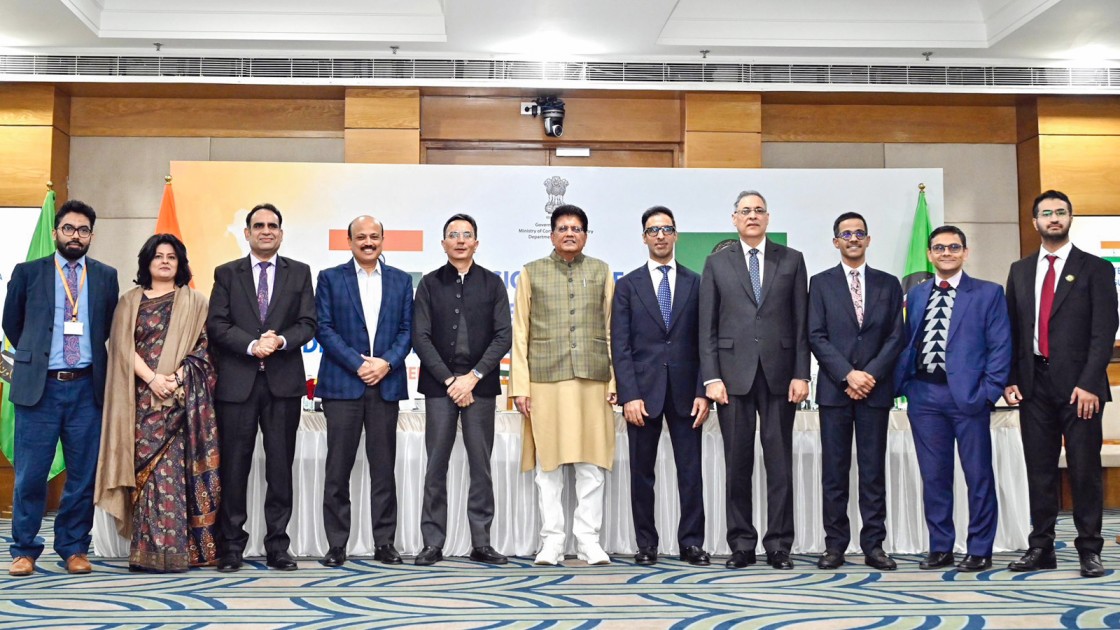
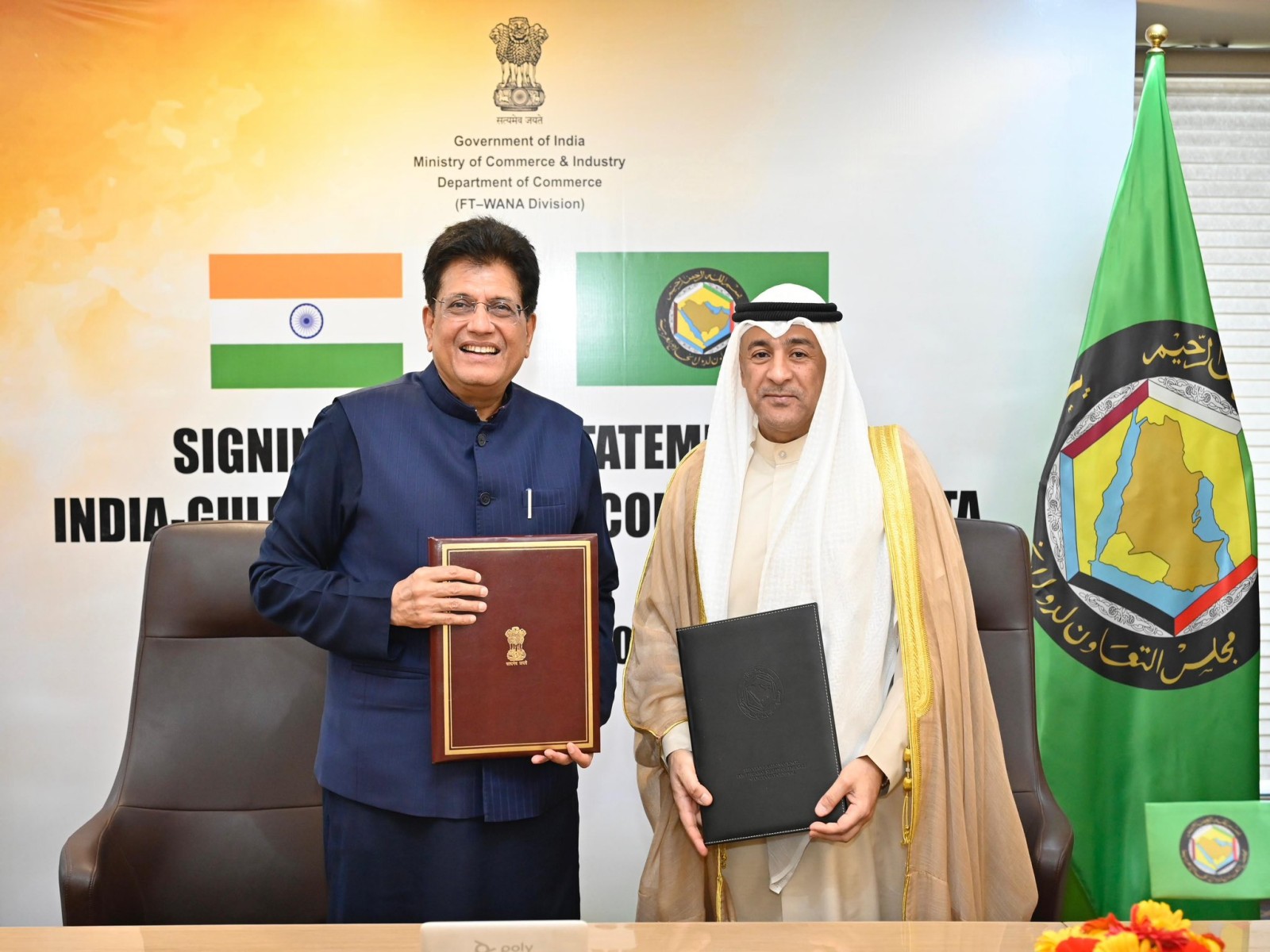
India-GCC FTA negotiations have formally moved forward as India and the Gulf Cooperation Council (GCC) work towards a Free Trade Agreement to strengthen trade and economic ties. The framework for the negotiations was set through the Terms of Reference signed on 5 February 2026, followed by a Joint Statement signed in New Delhi on 24 February 2026.
Thank you for reading this post, don't forget to subscribe!The Joint Statement was signed by India’s Union Minister of Commerce and Industry, Piyush Goyal, and GCC Secretary General Jasem Mohamed Albudaiwi. The proposed agreement is expected to cover important areas such as trade in goods and services, investment, digital trade and other aspects of modern economic cooperation.
India-GCC FTA Framework Takes Shape
The India-GCC FTA is being negotiated to reduce trade barriers and create better opportunities for businesses on both sides. Free Trade Agreements generally include arrangements for tariffs, customs procedures, services, investment and other areas connected with international trade.
The Terms of Reference signed in February 2026 provide the basic framework for the negotiations. They help define the areas that India and the GCC will discuss while working towards the proposed trade agreement.
The negotiations are particularly important because the GCC is a major economic partner for India. The six GCC countries together have significant trade, investment and energy links with the Indian economy.
GCC Includes Six Gulf Countries
The Gulf Cooperation Council is a regional political and economic organisation in West Asia. It was established in 1981 and has its headquarters in Riyadh, Saudi Arabia.
The GCC has six members: Bahrain, Kuwait, Oman, Qatar, Saudi Arabia and the United Arab Emirates. These countries have strong economic connections with India through energy supplies, merchandise trade, investment, services and the Indian workforce living and working in the Gulf region.
The GCC’s combined economic importance makes the proposed India-GCC FTA a major trade initiative. The agreement could create a wider framework for economic cooperation between India and all six member countries.
India-GCC Trade Reaches USD 178.56 Billion
India’s trade relationship with the GCC has expanded across several sectors. Bilateral trade between India and the GCC reached USD 178.56 billion in FY 2024-25.
India exported goods worth around USD 56.87 billion to the GCC during the financial year, while imports from the region stood at approximately USD 121.68 billion. The figures show the scale of the economic relationship between India and the Gulf countries.
Trade between the two sides includes petroleum products, gems and jewellery, engineering goods, chemicals, food products and services. Energy remains particularly important because the Gulf region is a major source of energy supplies for India.
Negotiations Face Temporary Disruption
The India-GCC FTA negotiations faced a temporary pause in June 2026 because of the wider crisis in West Asia. Geopolitical developments in the region affected the planned progress of the discussions.
The negotiations received renewed attention in August. On 23 August 2026, India’s Ambassador to Saudi Arabia, Vipul, met GCC Secretary General Jasem Mohamed Albudaiwi in Riyadh.
The discussions focused on the status of the trade negotiations and preparations for a ministerial-level meeting. Physical negotiations were expected to take place in September, depending on the situation in West Asia.
Focus on Trade and Investment
The proposed India-GCC FTA is intended to improve economic cooperation in several areas. Trade in goods is expected to remain an important part of the discussions, while services and investment can also play a major role.
A trade agreement can provide clearer rules for businesses operating across borders. It can also reduce certain trade barriers and make it easier for companies to explore new markets.
For Indian businesses, the GCC represents a large regional market with strong demand across several sectors. Gulf countries, meanwhile, have significant investment capacity and established links with the Indian economy.
Digital Trade and Emerging Technologies
The India-GCC FTA discussions are also linked to newer areas of economic activity, including digital trade and emerging technologies. These subjects have become increasingly important in modern trade agreements as businesses depend more on digital services and technology.
Digital trade can include areas such as online services, electronic transactions and other technology-enabled commercial activities. Including these areas in the negotiations could help India and GCC countries create rules that reflect changes in the global economy.
Emerging technologies are also becoming an important part of international economic cooperation. As businesses adopt artificial intelligence, digital platforms and other new technologies, trade agreements are increasingly considering these developments.
Importance of the GCC for India
The GCC is important to India for more than merchandise trade. The region is a major source of energy imports and has strong links with India’s services and investment sectors.
Millions of Indians also live and work in Gulf countries, creating long-standing people-to-people and economic connections. Remittances from the region form another important part of India’s wider economic relationship with Gulf countries.
The proposed FTA therefore comes within a much broader India-GCC relationship. Improved trade rules could add another layer to the existing economic connections between the two sides.
India’s Trade Links With Gulf Countries
India has already developed separate trade agreements with some GCC members. India and the United Arab Emirates signed a Comprehensive Economic Partnership Agreement, while India has also been expanding economic cooperation with other Gulf countries.
A GCC-wide trade agreement would provide a broader framework covering the six-member grouping. It could help simplify trade relations across the region while supporting greater cooperation between Indian companies and Gulf markets.
The progress of the negotiations will depend on discussions between India and the GCC and on the wider regional situation. Both sides will need to work through areas such as market access, tariffs, services, investment and digital trade before a final agreement can be reached.
Next Stage of India-GCC FTA Negotiations
The India-GCC FTA process is now focused on detailed negotiations following the signing of the Terms of Reference and Joint Statement. Meetings between officials and ministers are expected to guide the next stages of the process.
With bilateral trade already reaching USD 178.56 billion in FY 2024-25, the proposed agreement has a large existing trade relationship as its base. The negotiations are aimed at developing a framework that can support trade, investment and wider economic cooperation between India and the six GCC countries.