Monsoon Moist Heatwaves Predictable: New Study Links Them to Monsoon Phases

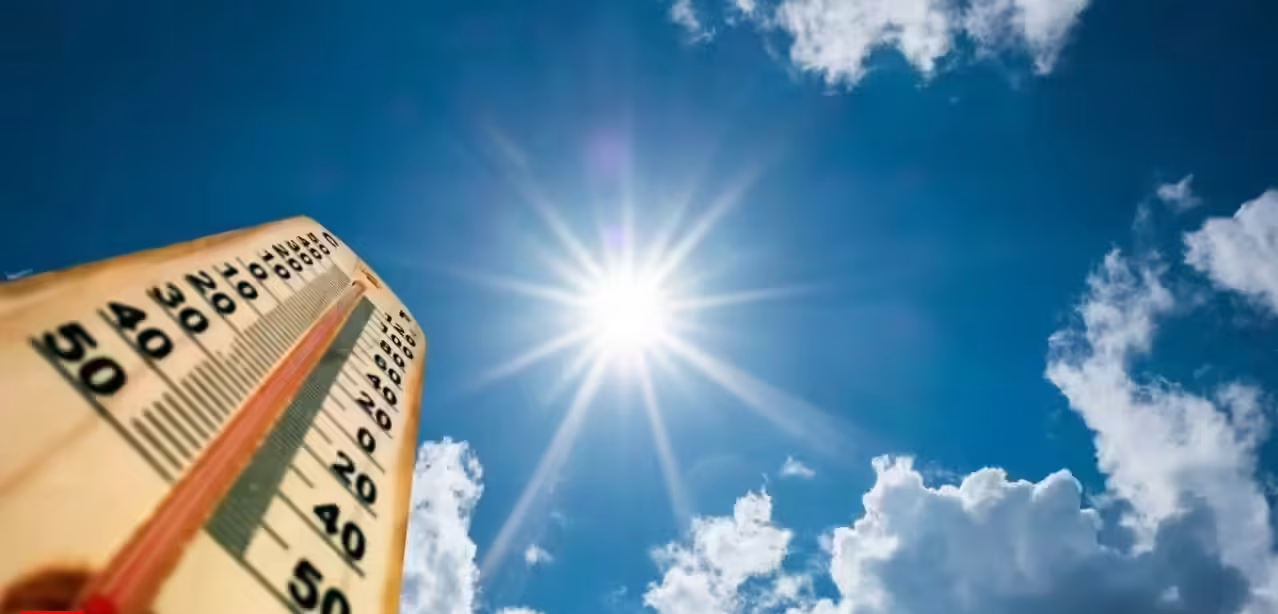
A new scientific study has found that monsoon moist heatwaves predictable weeks in advance across India. Researchers say these dangerous weather events are closely connected to the changing phases of the southwest monsoon, offering new opportunities for early warnings and public health planning.
Thank you for reading this post, don't forget to subscribe!The research, published in the journal Climate Dynamics, shows that moist heatwaves often occur during specific monsoon patterns. Scientists believe that with better monitoring, these events could be forecast two to four weeks earlier, helping authorities prepare and reduce health risks.
What Moist Heatwaves Mean for People
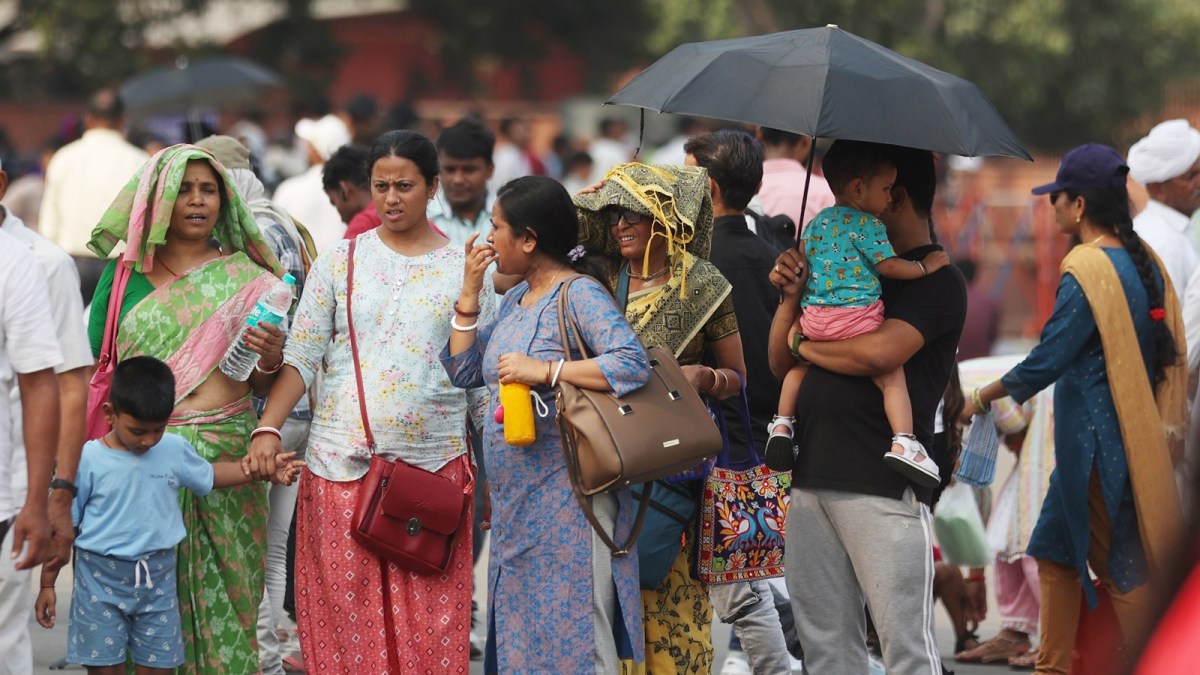
Moist heatwaves are different from the dry heatwaves that usually occur during summer. They happen when high temperatures combine with very high humidity in the air.
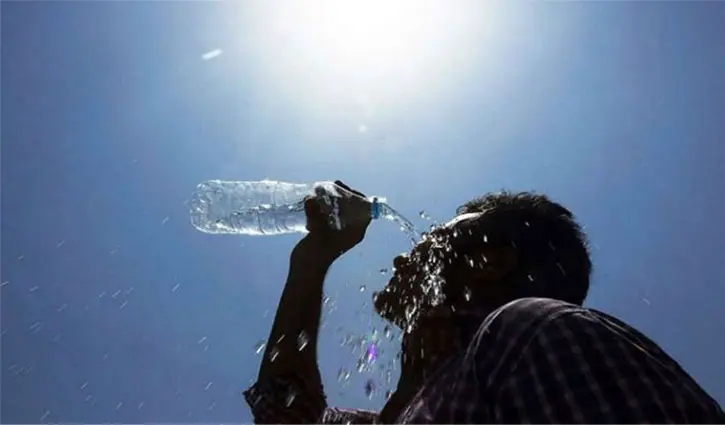
Under such conditions, the human body struggles to cool down. Normally, sweat evaporates from the skin and lowers body temperature. But when humidity is high, sweat cannot evaporate easily.
This can cause serious health problems such as heat exhaustion, hyperthermia and even heatstroke. People working outdoors, attending crowded events or staying long hours in the heat face the highest risk.
Wet Bulb Temperature and Heat Stress
Scientists use a measurement called wet bulb temperature to understand the combined effect of heat and humidity. It represents the lowest temperature air can reach through evaporation.
For many years, experts believed that 35°C wet bulb temperature was the maximum limit humans could survive. However, a 2023 study published in Nature Communications found that the human body may reach dangerous stress levels even at lower temperatures.
The research showed survivability limits ranging between 25.8°C and 34.1°C for younger adults, while older adults had lower tolerance levels. Older women were found to be the most vulnerable group.
Monsoon Moist Heatwaves Predictable: Monsoon Phases Influence Heatwave Locations
The study analysed weather data from 1940 to 2023 and discovered that moist heatwaves shift across India depending on the monsoon’s active and break phases.
During active monsoon periods, northern plains and central India experience greater risk because warm temperatures combine with high humidity.
During break phases, rainfall shifts towards the Himalayan foothills and Northeast India. At this time, the risk of moist heatwaves increases in southern and eastern parts of the country. These changes are linked to the movement of the monsoon trough and dry desert winds.
Early Forecasting Can Save Lives
Scientists also linked these heatwaves to the Boreal Summer Intraseasonal Oscillation, a large-scale weather pattern lasting between 30 and 90 days. Certain phases of this system can increase the risk of moist heatwaves in northern India by more than 125 percent above normal levels.
Because of this connection, researchers believe early forecasts are now possible. Advance warnings could help authorities reschedule large gatherings, prepare hospitals, open cooling centres and manage electricity demand.
As climate conditions continue to change, better prediction systems could play an important role in protecting people during India’s monsoon season.