


Livestock Insurance Portal Launched

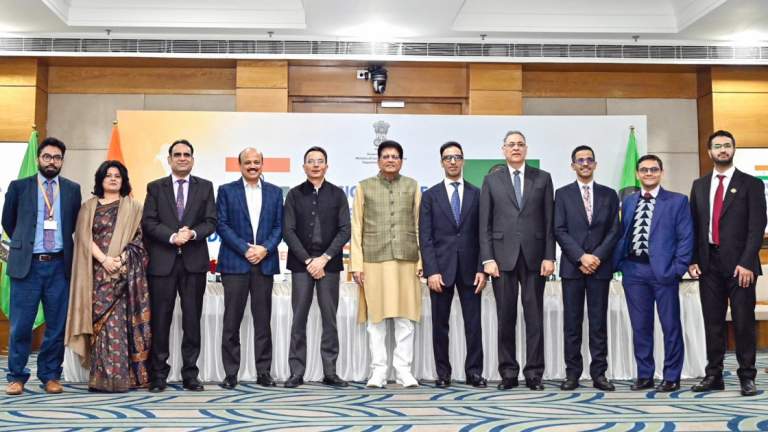
Livestock Insurance Portal is being launched by the Department of Animal Husbandry & Dairying on 28 September 2026 in New Delhi to make livestock insurance services more digital and accessible. The new portal will work as a single online platform for different activities under the Livestock Insurance Scheme, including policy issuance, claim processing, monitoring and reporting.
Thank you for reading this post, don't forget to subscribe!The initiative is aimed at making livestock insurance administration simpler for farmers, insurance companies and government agencies. By bringing major services together on one digital platform, the government plans to improve transparency, efficiency and access to insurance-related services.
Livestock Insurance Portal Brings Services Online
The new Livestock Insurance Portal will provide a common digital interface for beneficiaries, insurers and implementing agencies. Users will be able to access services related to livestock insurance through the online system.
The portal will support important activities from registration and insurance coverage to claim-related processes. It will also provide facilities for monitoring and reporting, helping implementing agencies keep track of insurance activities.
A central digital platform can reduce the need for separate systems and manual processes. It can also make it easier to maintain records and track the progress of insurance policies and claims.
Livestock Insurance Scheme Supports Farmers
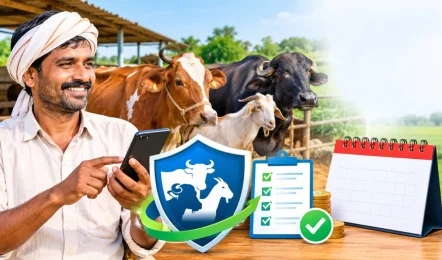
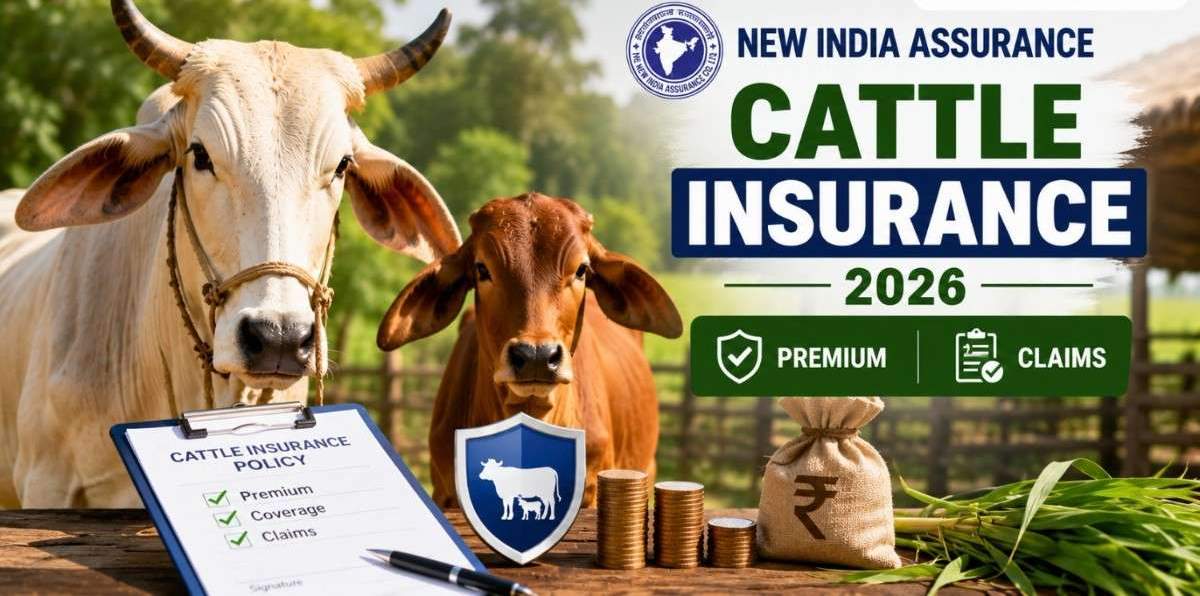
The Livestock Insurance Scheme is a subsidy-based insurance programme covering eligible livestock. The scheme currently provides insurance support for animals such as cattle, pigs and rabbits.
Under the present arrangement, small and marginal farmers pay 15% of the insurance premium. The Centre and state governments share the remaining 85% of the premium. This reduces the amount that eligible farmers have to pay for livestock insurance.
For most eligible animals, the scheme provides subsidised insurance coverage for up to 10 cattle units per beneficiary household. Separate coverage limits are applicable to pigs and rabbits under the scheme.
Livestock insurance is important because animals are valuable assets for many farming households. The loss of an insured animal can affect household income, particularly for farmers who depend on dairy, livestock rearing or related activities.
Portal Available in Multiple Languages
One of the key features of the Livestock Insurance Portal is its language access. The digital platform will operate in 11 regional languages in addition to Hindi and English.
Providing services in multiple languages can make digital government services easier to use for farmers in different parts of India. Language support is particularly important in rural areas where beneficiaries may be more comfortable using their local language.
The portal is designed to provide online access to registration, insurance coverage and related protection services. The multilingual system is expected to support wider participation in the livestock insurance programme.
Focus on Transparency and Faster Processes
The government is using digital technology to improve the way livestock insurance services are managed. Policy details, claims and other information can be handled through a common digital system.
A central platform can also make monitoring easier for government departments and implementing agencies. Digital records can help officials track policies and claims while reducing dependence on separate paperwork-based processes.
For insurance companies, the platform can provide a common interface for working with beneficiaries and government agencies. This can help bring different parts of the insurance process into one system.
RFID Tagging for Livestock Identification
The government is also examining the use of radio-frequency identification (RFID) technology for livestock identification. RFID uses electronic tags and readers to identify animals through digital records.
Animal identification is important for insurance because it can help verify which animal is covered under a particular policy. It can also support record keeping and traceability.
If RFID-based identification is adopted more widely, it could assist with claim settlement by providing additional information about insured animals. Digital identification can also help maintain accurate livestock records and reduce problems related to verification.
Link With National Livestock Mission
The digital insurance initiative forms part of the wider National Livestock Mission, a central sector scheme focused on livestock development.
The National Livestock Mission covers different areas related to livestock development and aims to support the growth of the livestock sector. Livestock insurance is one part of the broader effort to provide support and protection to farmers involved in animal husbandry.
The introduction of a dedicated digital insurance platform adds a technology-based layer to these existing livestock support measures. It can help connect beneficiaries with insurance services while improving the management of the scheme.
60.8 Lakh Animals Insured
The Livestock Insurance Scheme has covered a significant number of animals in recent years. During the latest five-year reference period, 60.8 lakh animals were insured under the scheme.
During the same period, insurance claims worth ₹161.07 crore were released. These figures show the scale of the livestock insurance programme and the financial support provided through claims.
The new portal is expected to help manage this growing volume of insurance-related information through digital systems. Online monitoring can also make it easier for authorities to understand coverage and claim activity.
Benefits for Small and Marginal Farmers
Small and marginal farmers are an important beneficiary group under the Livestock Insurance Scheme. For households that depend on animals for milk, breeding or other farm-related activities, livestock can represent a major financial asset.
The subsidy structure reduces the premium burden on eligible farmers. Under the current arrangement, farmers contribute 15% of the premium, while the Centre and states share the remaining amount.
The new digital platform can make information about insurance coverage and claims more accessible. Better digital records can also support smoother coordination between farmers, insurers and government agencies.
Digital Technology in Animal Husbandry
The launch of the Livestock Insurance Portal reflects the growing use of digital technology in the agriculture and animal husbandry sectors. Online platforms are increasingly being used to provide government services, maintain records and improve monitoring.
The combination of digital insurance services and possible RFID-based animal identification could create a more connected system for livestock protection. Insurance policies can be linked with animal records, while digital claim processing can support verification and monitoring.
The portal will therefore bring together several parts of livestock insurance administration on a single platform. With multilingual access and digital services for registration, coverage, claims and reporting, the initiative is intended to make livestock insurance administration more efficient and accessible across India.