


Saltwater Crocodile Rise Sundarbans: A Positive Sign for Conservation

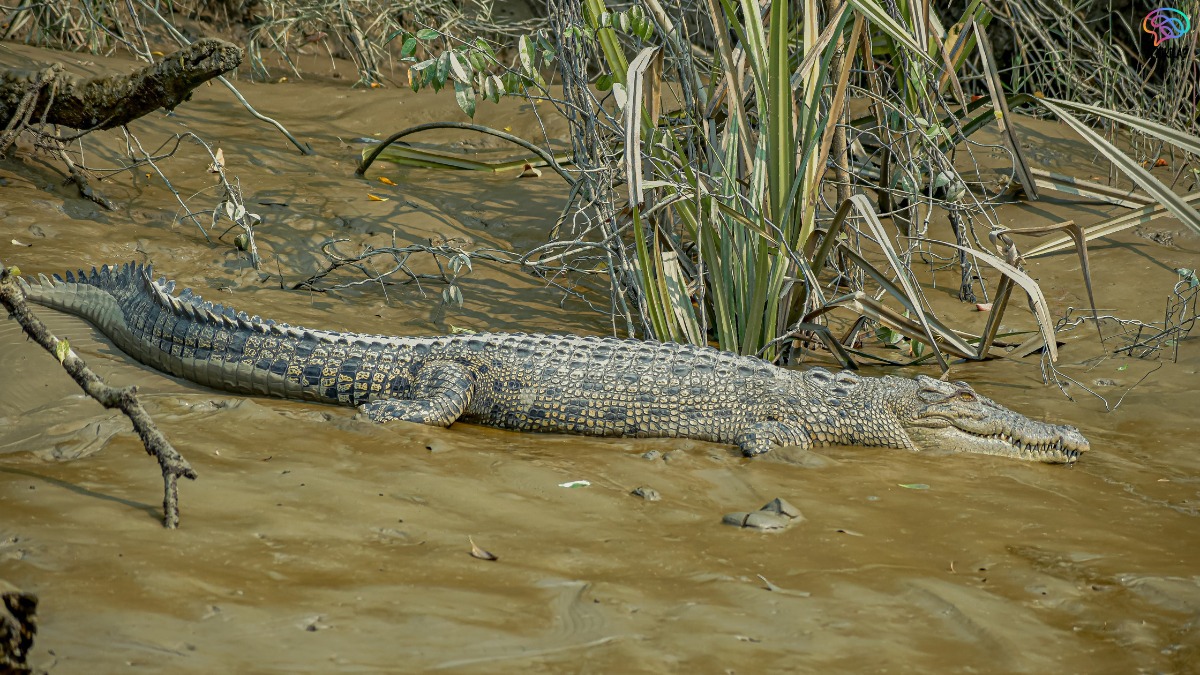
Saltwater Crocodile Rise Sundarbans has become a notable development in 2025, as the latest survey by the Forest Department revealed a steady increase in the crocodile population within the Sundarban Biosphere Reserve (SBR). The most striking observation is the rise in hatchlings, a rare occurrence in this challenging mangrove terrain. This growth signals improving conditions for one of the Earth’s largest reptiles and highlights the effectiveness of conservation efforts in the region.
Thank you for reading this post, don't forget to subscribe!Population Growth Overview
According to the 2025 survey, the estimated population of saltwater crocodiles in SBR ranges between 220 and 242 individuals. This marks a clear increase from the 204–234 individuals recorded in 2024. Direct sightings during the survey reported 213 crocodiles, including 125 adults, 88 juveniles, and 23 hatchlings.
The comparison with 2024 shows remarkable progress: sightings that year included 71 adults, 41 juveniles, and only 2 hatchlings. The sharp increase in hatchlings demonstrates improved breeding success and better habitat conditions. The encounter rate now stands at one crocodile per 5.5 kilometres of creek, confirming a healthy distribution across the surveyed areas.
Survey Methodology
The Forest Department carried out the study across 1,168 kilometres of creeks, covering 64% of all water channels in the SBR. The methodology combined systematic surveys, GPS mapping, and detailed habitat analysis. This comprehensive approach ensured precise data collection, helping researchers understand both the population distribution and the habitat preferences of saltwater crocodiles in the Sundarbans.
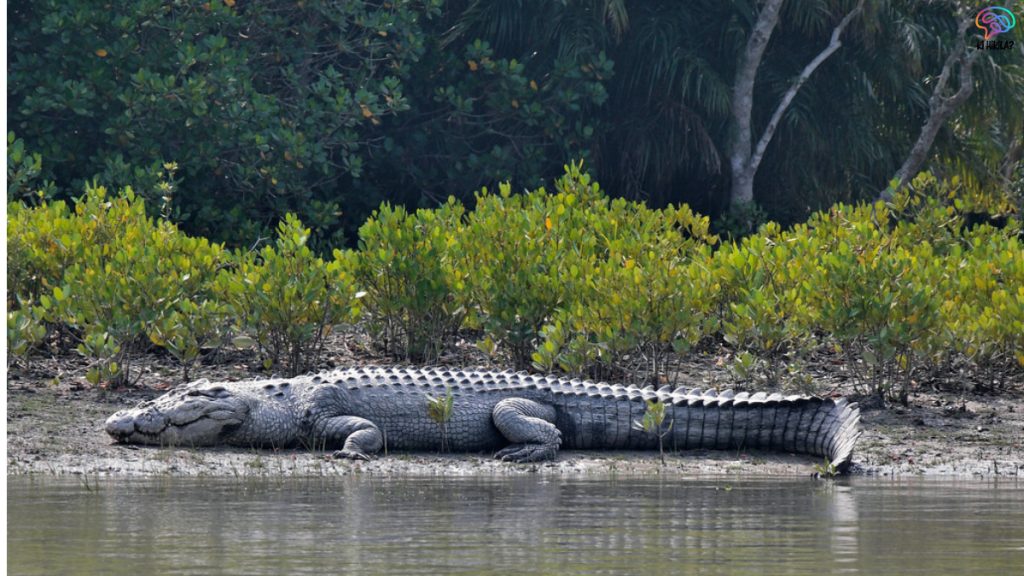
Such detailed mapping also provides valuable insights into areas most suitable for breeding and long-term survival, guiding future conservation strategies.
Habitat Preferences in Saltwater Crocodile Rise Sundarbans
Saltwater crocodiles in the Sundarbans show a strong preference for creeks and rivers with high-tide widths below 180 metres. These environments provide both food and shelter, essential for hatchlings and juveniles. The species is known for its adaptability to different water salinity levels, particularly during the winter months.
However, scientists caution that rising salinity due to climate change could eventually threaten these habitats. Increasing sea levels and frequent tidal surges may reduce the suitability of breeding grounds, forcing crocodiles into more vulnerable conditions.
Ecological Role
Saltwater crocodiles are hypercarnivorous apex predators, which means they play a critical role in balancing the mangrove ecosystem. By feeding on carcasses and weaker prey, they help clean waterways and maintain aquatic health. This natural regulation supports biodiversity in one of the world’s most fragile ecosystems.
Their presence is also an indicator of the overall health of the mangrove environment. A rise in their population signifies improving ecological balance, benefitting not just the crocodiles but the entire biodiversity of the Sundarbans.
Conservation Efforts
The success of the Saltwater Crocodile Rise Sundarbans story cannot be understood without looking at the decades-long conservation initiatives. West Bengal has been at the forefront of crocodile protection since the 1970s. The Bhagabatpur Crocodile Project, launched in 1976, has played a central role in this journey. By 2022, the project had released 577 crocodiles into the wild.
These efforts, combined with stricter protection measures within the mangrove forests, have ensured a gradual but steady rise in crocodile numbers. Odisha’s pioneering conservation projects also serve as complementary models, reinforcing India’s commitment to protecting this species across coastal regions.
Climate Change Challenges
Despite the positive trend, challenges remain. The Sundarbans face the brunt of climate change impacts, including rising sea levels, increasing salinity, and habitat degradation. These changes could affect the availability of safe nesting and breeding grounds, thereby impacting the long-term survival of saltwater crocodiles.
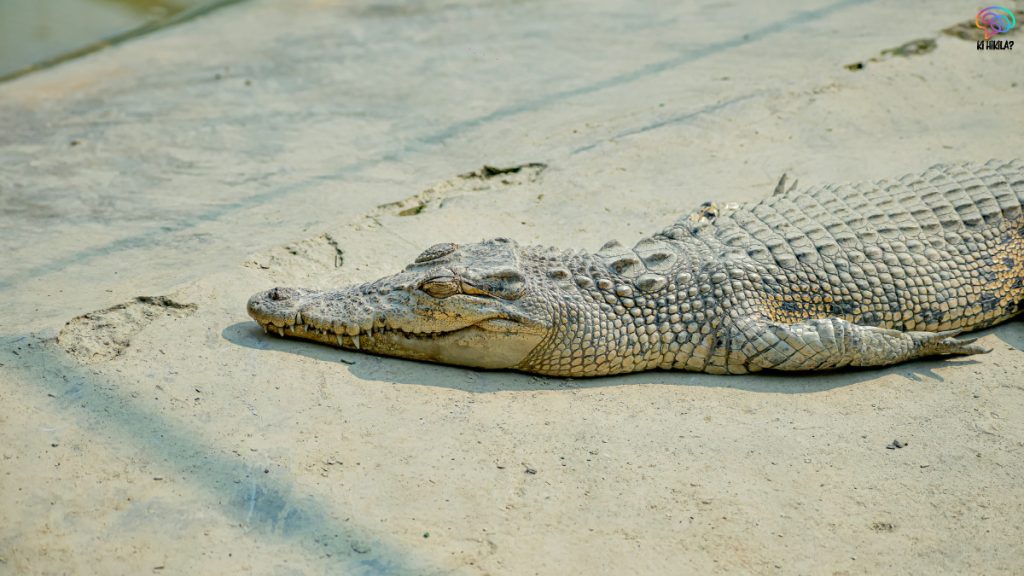
Moreover, the growing human population in nearby areas puts additional pressure on mangrove habitats through fishing, resource extraction, and pollution. Balancing conservation with community needs will remain a crucial challenge in the years ahead.
Conclusion
The Saltwater Crocodile Rise Sundarbans marks a significant milestone in wildlife conservation. The sharp increase in hatchlings, alongside the steady growth of the adult population, underscores the effectiveness of decades of dedicated conservation work. At the same time, it reminds us of the pressing need to protect fragile ecosystems from climate change and human pressures.
With continuous monitoring, adaptive conservation strategies, and active community participation, the Sundarbans can remain a thriving home for saltwater crocodiles and countless other species. The success story of these reptiles is a beacon of hope, proving that consistent efforts can indeed revive and sustain endangered wildlife in one of the most unique ecosystems on the planet.