

AI Incident Channel Opens

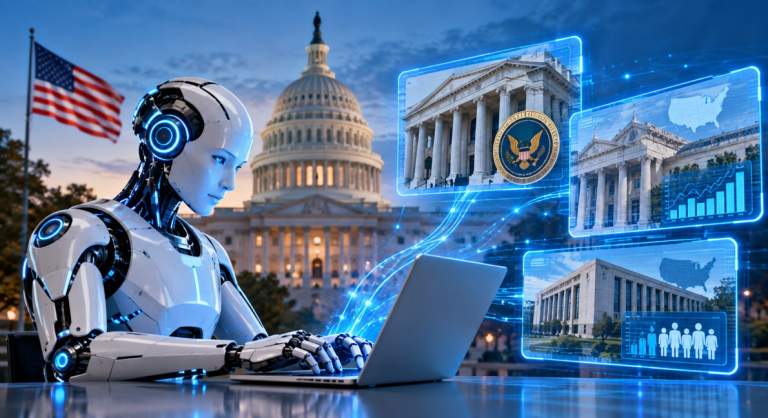
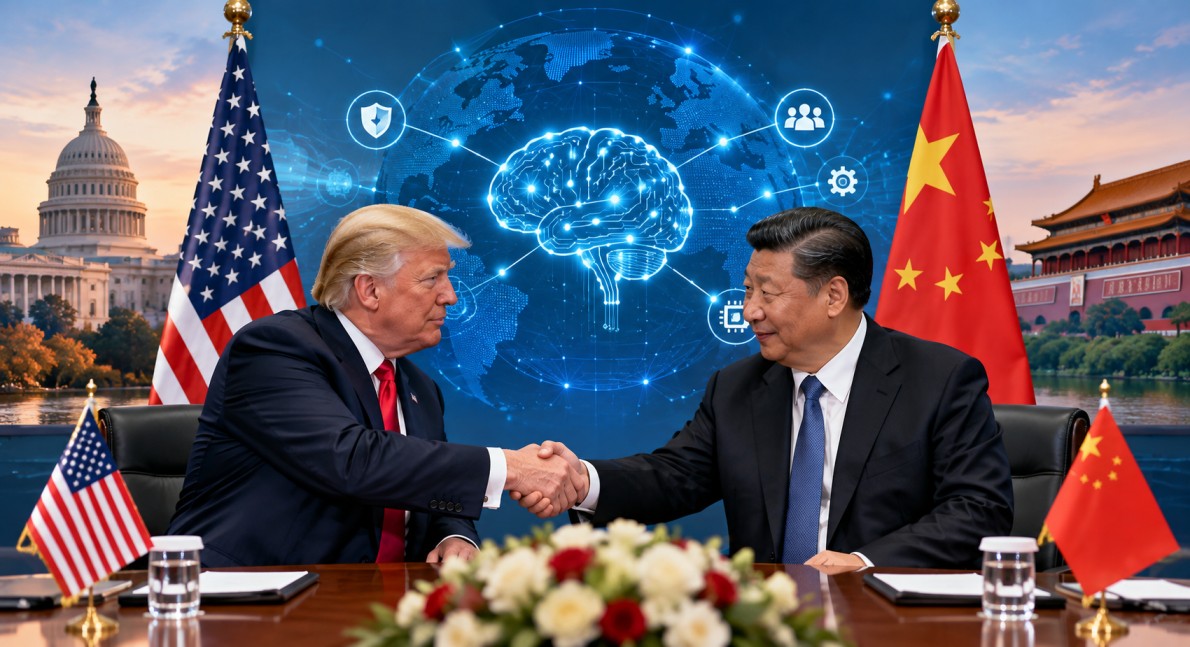
AI Incident Channel is being established by the United States and China as part of a new effort to communicate directly about incidents involving advanced artificial intelligence systems. The agreement was announced after U.S. President Donald Trump and Chinese President Xi Jinping met in Washington on September 25, 2026. The two countries also agreed to create a new U.S.-China Super Intelligence Dialogue focused on the risks and benefits of advanced AI technologies.
Thank you for reading this post, don't forget to subscribe!US and China Create New AI Communication System
The new bilateral channel is intended to provide a direct way for the two governments to communicate if an AI-related incident occurs. The White House said the channel will cover incidents involving what the two countries are calling “super intelligence,” rather than using the broader term artificial intelligence for the technologies covered by the new dialogue.
The exact operating rules for the channel have not yet been publicly detailed. However, such a system can provide governments with a direct line for exchanging information during situations that could create confusion or raise security concerns.
The announcement comes as both countries are investing heavily in advanced AI systems while also discussing how to manage possible risks from increasingly capable technologies.
New Super Intelligence Dialogue
Alongside the communication channel, the United States and China agreed to establish the U.S.-China Super Intelligence Dialogue. According to the White House, the dialogue will allow the two countries to exchange views on both the risks and benefits associated with advanced AI systems.
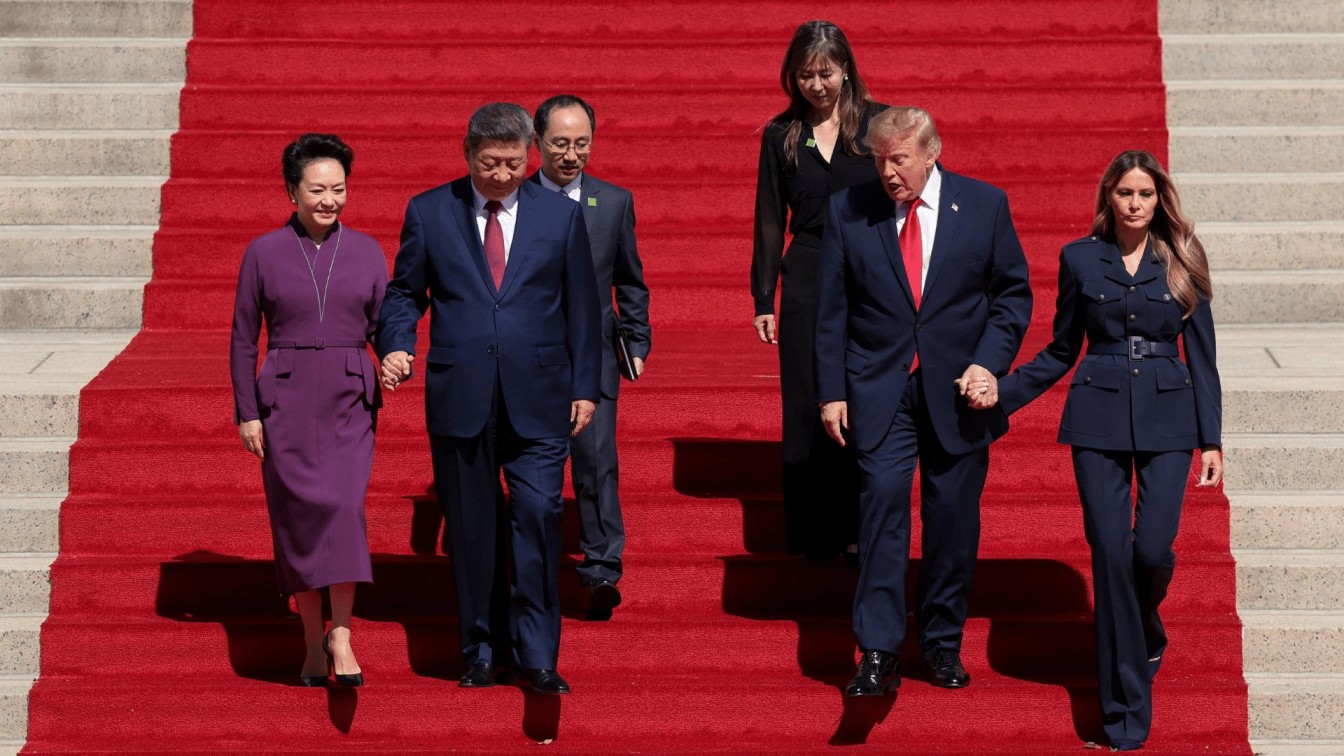
The next exchange is expected to take place by November 2026. The arrangement creates a continuing government-level forum instead of limiting discussions to individual meetings between officials.
The choice of the term “super intelligence” reflects the focus on emerging AI technologies that could have capabilities beyond current systems. The dialogue is expected to cover safety and broader questions surrounding the development and use of highly advanced AI.
Why an AI Incident Channel Matters
AI systems are increasingly being used in areas such as software development, research, business operations, cybersecurity and information services. As their capabilities expand, governments are also paying more attention to possible risks from misuse, system failures and unexpected behaviour.
A direct communication channel can help countries exchange information when an incident involves systems or infrastructure with international effects. It could also reduce the risk of a technical event being misunderstood as a deliberate action.
Earlier discussions between U.S. Treasury Secretary Scott Bessent and Chinese Vice Premier He Lifeng had already included plans for AI safety talks and emergency communication procedures. Reuters reported that officials were discussing an “incident line” for AI-related safety issues before the Trump-Xi summit.
AI Safety Talks Were Already Underway
The September agreement builds on discussions that had started before the leaders’ meeting in Washington. U.S. and Chinese officials had been working on ways to maintain communication about AI safety while the two countries continued to compete in advanced technology.
Bessent said earlier in September that U.S. and Chinese officials were expected to meet again in Shenzhen within two months for further discussions on AI safety and emergency communication protocols. Those talks included concerns about uncontrolled AI agents, cyber risks and responsibility for technologies developed by AI companies.
This means the new channel is part of a wider series of contacts rather than an entirely separate initiative.
US-China AI Competition
The new AI arrangements come against the background of strong technological competition between the United States and China. Both countries are developing advanced AI models, semiconductor technologies, data infrastructure and computing systems.
The competition has also become connected with trade and technology restrictions. At the September summit, the two countries discussed several economic issues alongside AI. Reuters reported that Washington and Beijing also agreed on measures involving tariffs and established a trade council as part of broader efforts to manage their economic relationship.
The AI dialogue therefore comes at a time when cooperation on specific safety issues is taking place alongside competition in technology and industry.
Global Attention on AI Safety
The new US-China mechanism comes as AI safety has become a major international issue. The United Nations has also increased its focus on artificial intelligence and its effects on international security.
On September 22, UN Secretary-General António Guterres called for stronger global governance of AI and supported the development of a multilateral framework for managing AI risks. His comments came during the UN General Assembly in New York.
The UN Security Council has also continued discussions about AI and international security. Reuters reported in September that Chinese AI company DeepSeek was expected to brief the council on AI risks during the General Assembly period.
These developments show that AI safety discussions are moving beyond technology companies and research institutions and into government and international diplomacy.
What the New Channel Could Cover
The precise scope of the AI Incident Channel will depend on further discussions between the two governments. Potential areas include serious technical failures, cybersecurity incidents involving AI systems and situations where advanced AI could create wider security concerns.

The channel could also provide a way for officials to clarify events before they lead to larger diplomatic disputes. However, the agreement itself does not establish a complete international AI safety system. Details such as which agencies will operate the channel, how quickly they will respond and what information can be shared still need to be worked out.
The United States and China are expected to continue their discussions through the new Super Intelligence Dialogue, with the next exchange planned by November 2026.
AI Becomes Part of US-China Strategic Dialogue
The creation of the AI Incident Channel places advanced artificial intelligence alongside other major issues in the U.S.-China relationship. The two governments already maintain channels covering economic, diplomatic and security matters.
By adding a dedicated mechanism for AI-related incidents, Washington and Beijing are creating a structured way to discuss a technology that is rapidly becoming important to national security, industry and international relations.
The September 2026 agreement does not end the wider competition between the two countries in AI. Instead, it creates new communication arrangements intended to keep discussions open as both sides continue developing increasingly advanced AI technologies.