



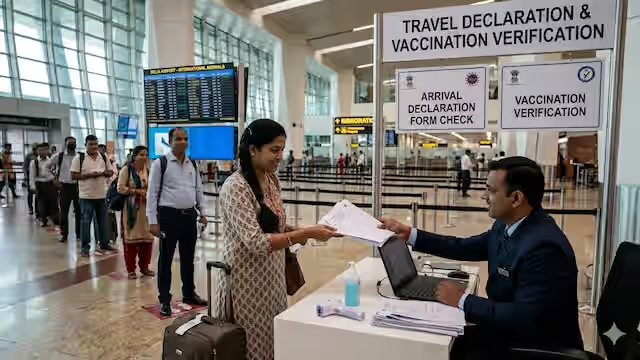
Air Suvidha Ebola Screening

Air Suvidha Ebola measures are back in focus as India has reintroduced its digital health screening system for travellers coming from Ebola-affected regions. On 25 June 2026, the government relaunched the portal as AIR SUVIDHA 2.0 to track and manage passenger health data more efficiently.
Thank you for reading this post, don't forget to subscribe!This step comes at a time when global health concerns are rising again, especially after recent outbreaks in parts of Africa. The system aims to ensure safety at airports and prevent the spread of infectious diseases through international travel.
What Is Air Suvidha System
Air Suvidha is an online platform that allows travellers to submit health details before arriving in India. It was first introduced during the COVID-19 pandemic to manage contact tracing and reduce physical interaction at airports.
Passengers are required to fill out a self-declaration form that includes their travel history and possible exposure to health risks. This helps authorities quickly identify and screen individuals who may need further checks.
The upgraded version, AIR SUVIDHA 2.0, is designed to handle data more efficiently and improve coordination between different agencies.
Why Ebola Is a Concern Now
The recent Ebola outbreak has raised global concern. The World Health Organization declared the situation a Public Health Emergency of International Concern in May 2026.
Countries like Democratic Republic of Congo and Uganda have reported cases, prompting international monitoring and response.
Ebola is a serious viral disease that spreads through direct contact with infected bodily fluids. Early detection and isolation are key to controlling its spread, which is why airport screening has become important again.
How Screening Works at Airports
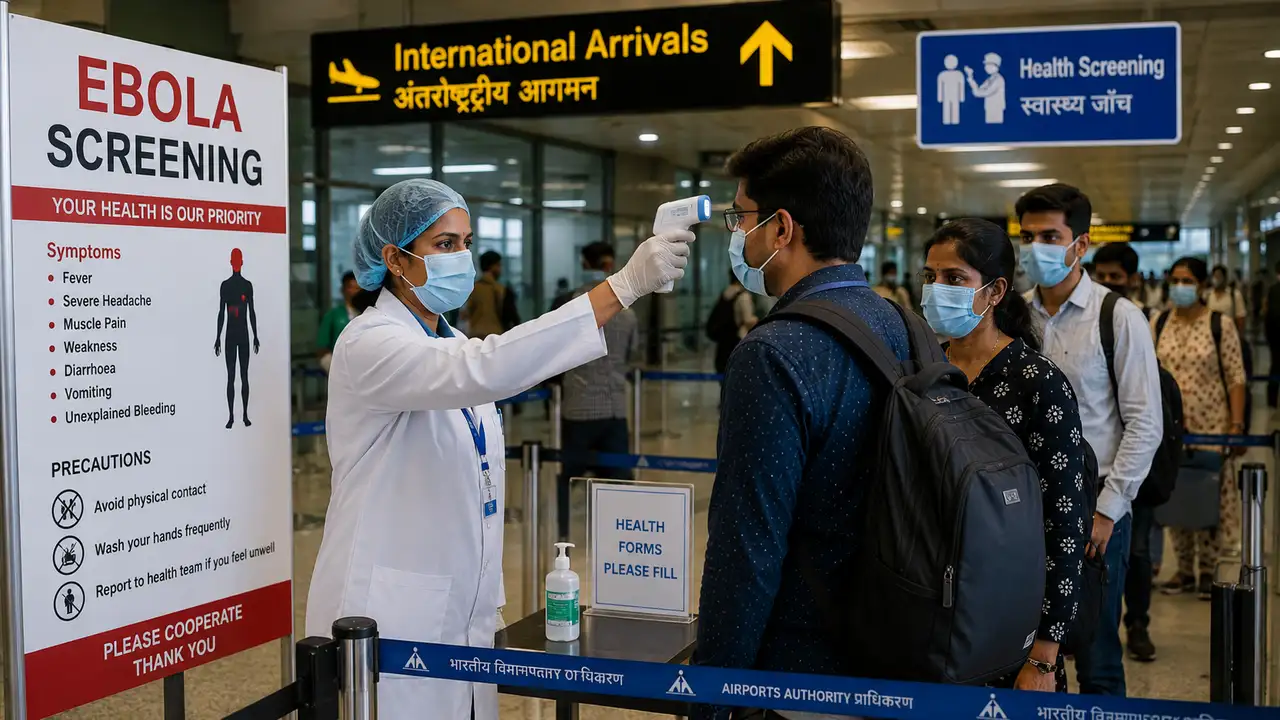
Under the Air Suvidha Ebola system, passengers arriving from affected regions must submit their health details online before landing. This includes a 21-day travel history and any possible exposure to the virus.
Once they arrive, health officials review the data and may conduct additional screening if needed. This process helps reduce delays while ensuring safety.
The system also allows authorities to track passengers after arrival, making it easier to respond quickly if symptoms appear later.
Role of Government Agencies
Several government bodies work together to manage this system. The Ministry of Health and Family Welfare and the Ministry of Civil Aviation play key roles in implementing and monitoring the process.
Data from Air Suvidha is shared with airport health officers and the Bureau of Immigration to ensure smooth coordination.
This integrated approach helps in quick identification and response, which is crucial during health emergencies.
Data Sharing and Monitoring
The Air Suvidha platform connects multiple systems to track and manage traveller data. It works closely with India’s disease surveillance network to monitor any potential risks.
State-level health authorities are also involved, allowing for local follow-up if needed. This ensures that even after passengers leave the airport, their health status can be monitored.
Such coordination has become essential in managing global health threats in a connected world.
India’s Support for Global Health Efforts
India has also taken steps beyond its borders to support Ebola response efforts. The government announced financial assistance and sent medical supplies to affected regions.
Union Health Minister J. P. Nadda shared that India is committed to helping countries manage outbreaks and improve healthcare systems.
This reflects a broader approach where countries work together to tackle global health challenges.
Lessons from Past Pandemics
The return of Air Suvidha shows how lessons from COVID-19 are still shaping current policies. Digital health systems, early screening, and data sharing have become standard tools in managing outbreaks.
Airports are now seen as critical points for disease control, and systems like Air Suvidha help reduce risks without causing major disruptions to travel.
People are also more aware of health safety measures, making it easier to implement such systems.
Impact on Travellers
For travellers, the process adds an extra step before arrival, but it is designed to be simple and quick. Filling out the form online saves time at the airport and reduces crowding.
It also provides reassurance that safety measures are in place. As international travel continues to grow, such systems help maintain confidence among passengers.
Airlines and airport authorities are also adapting to these changes, ensuring smoother implementation.
Growing Importance of Health Security
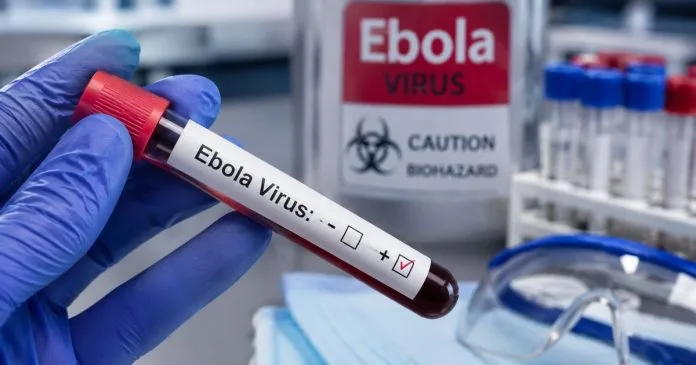
The Air Suvidha Ebola initiative highlights the growing importance of health security in today’s world. With increasing global travel, the risk of disease spread is higher than ever.
Countries are now focusing on prevention and early detection rather than just response. Digital tools like Air Suvidha are becoming a key part of this strategy.
As new health challenges emerge, systems like these will likely continue to evolve and play an important role in keeping people safe.