

West Asian Conflicts Explained

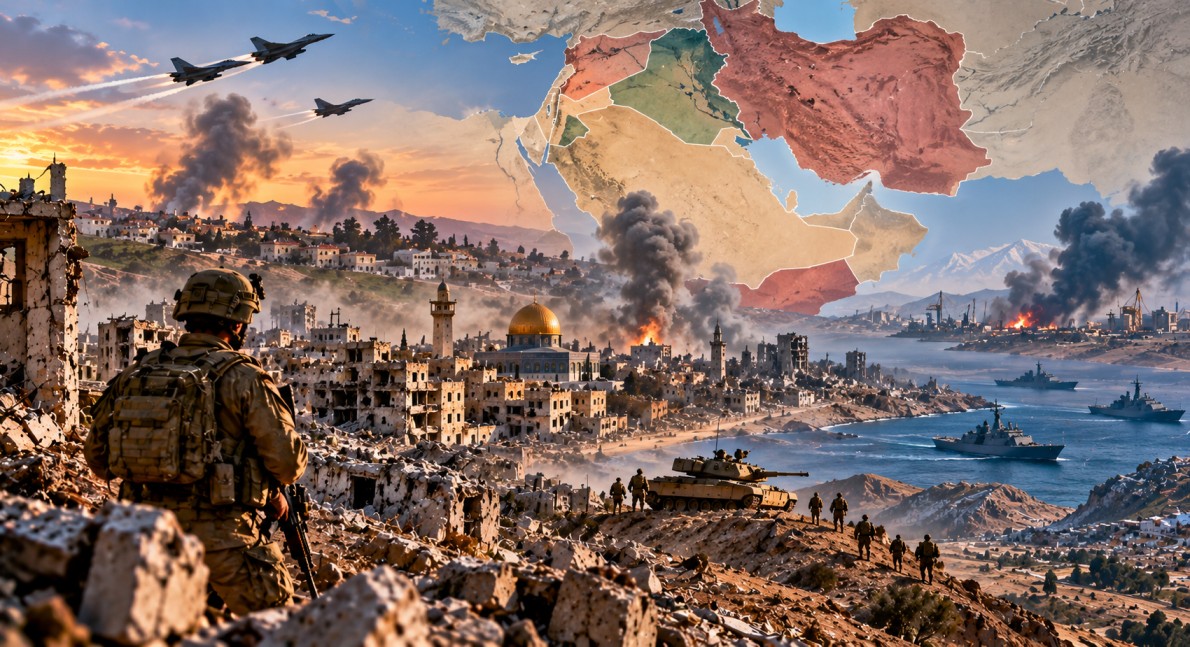
West Asian Conflicts involve territorial disputes, security concerns and political rivalries across the Middle East. The Israeli-Palestinian conflict remains a major source of instability, while tensions involving Syria, Lebanon, Yemen and Iran also affect regional security. These conflicts are connected through military alliances, disputed borders, armed groups and international diplomatic efforts.
Thank you for reading this post, don't forget to subscribe!Israeli-Palestinian Conflict: Main Disputes
The Israeli-Palestinian conflict is rooted in competing claims over land, national identity and statehood. The establishment of Israel in 1948 and the displacement of many Palestinians shaped the conflict. The 1967 Six-Day War further changed the region when Israel captured the West Bank, Gaza Strip, East Jerusalem and the Golan Heights.
Jerusalem remains one of the most sensitive issues because both Israelis and Palestinians have claims connected to the city. Other major disputes include the borders of a future Palestinian state, Israeli settlements in the West Bank, Palestinian refugees, security arrangements and access to water resources.
Diplomatic efforts have included the 1978 Camp David Accords, the 1993 and 1995 Oslo Accords, and later peace initiatives. However, these efforts have not produced a final settlement of the conflict.
West Bank and Gaza Strip
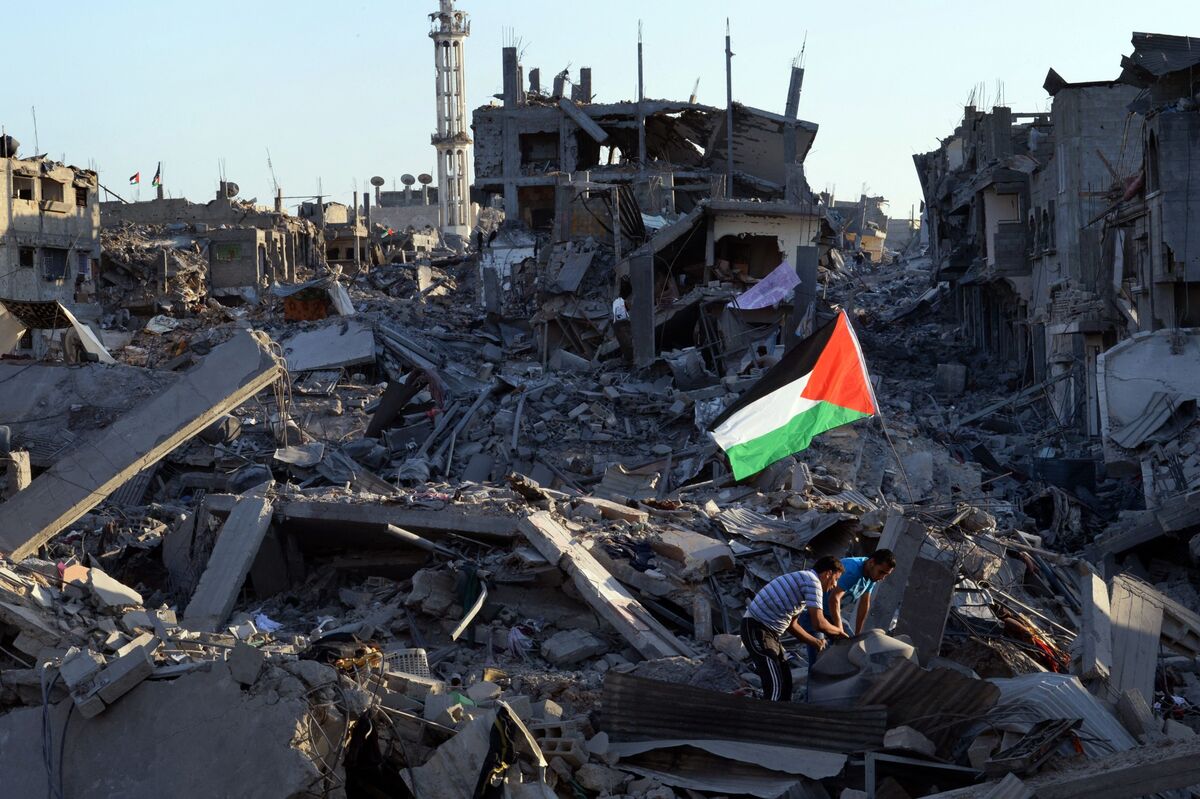
The West Bank and Gaza Strip are central to Palestinian demands for an independent state. The Palestinian Authority administers parts of the West Bank, while Israel maintains extensive military control over the territory. Israeli settlements and movement restrictions remain major sources of dispute.
Gaza is a densely populated coastal territory. Israel withdrew its settlements and permanent ground forces from Gaza in 2005, while Hamas took control of the territory in 2007. Israel and Egypt subsequently maintained restrictions on movement and access, citing security concerns.
The war that began after the Hamas-led attacks on Israel on 7 October 2023 caused widespread destruction and displacement in Gaza. Although a ceasefire took effect in October 2025, major disagreements over disarmament, Israeli withdrawal and reconstruction remain unresolved. A Reuters report published on 6 October 2026 said progress on the wider peace plan remained limited, with continued violence and severe humanitarian needs.
The United Nations continues to report serious problems involving shelter, healthcare, food supplies and access to essential services. Its October 2026 humanitarian reporting also highlighted funding shortages and the risk of flooding in displacement sites as the rainy season approaches.
Golan Heights: Israel-Syria Tensions
The Golan Heights is a strategic plateau captured by Israel from Syria during the 1967 war. Its elevated position has military importance, and the area is also connected to regional water resources.
Israel extended its laws and administration to the Golan Heights in 1981, a move widely rejected internationally. In 1974, Israel and Syria signed a Disengagement Agreement that established an area of separation between their forces.
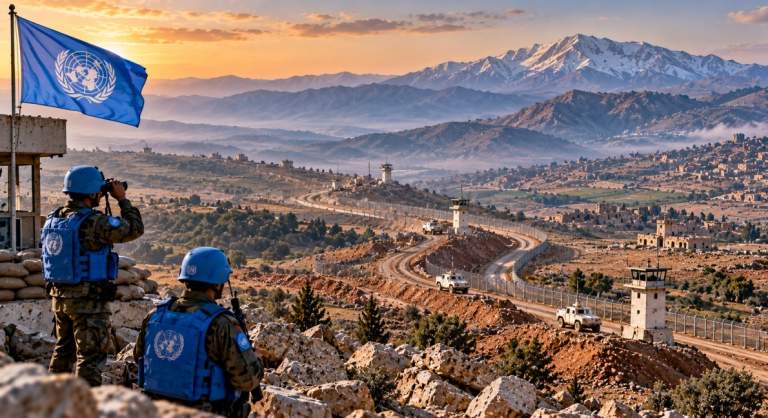
The United Nations Disengagement Observer Force (UNDOF) was created in 1974 to monitor the area of separation and supervise the ceasefire arrangements.
Recent developments have brought renewed attention to this frontier. In October 2026, Qatar condemned the reported completion of Israel’s Sufa 53 line in southern Syria, describing it as a violation of Syrian sovereignty and the 1974 agreement. Kuwait also issued a condemnation. These are the governments’ stated positions; the legal assessment of specific actions depends on the applicable agreement and verified circumstances.
Lebanon and the Israel-Hezbollah Conflict
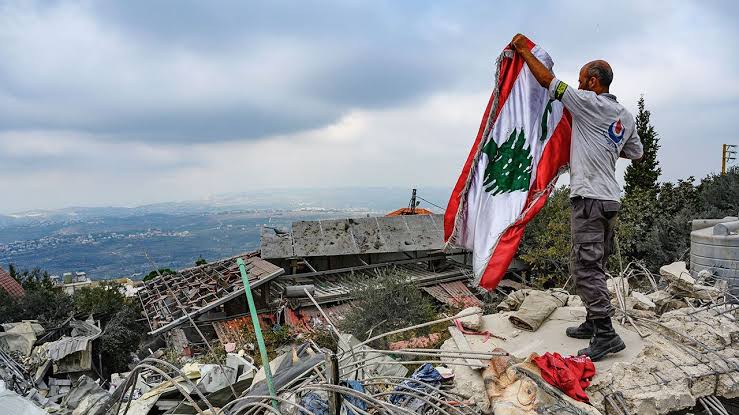
Lebanon has long been affected by tensions with Israel, particularly along its southern border. Hezbollah, a Lebanese Shia Islamist political and armed organisation backed by Iran, has played a major role in this conflict.
Israel’s military intervention in Lebanon in 1982 and the 2006 war between Israel and Hezbollah were major turning points. Border tensions have continued to threaten civilians and regional stability.
The United Nations Interim Force in Lebanon (UNIFIL) was established in 1978. Its responsibilities include monitoring developments along the border and supporting efforts to maintain peace and security under its mandate. The effectiveness of these arrangements depends on compliance with relevant agreements and cooperation among the parties.
Iran, Israel and Regional Rivalries
The rivalry between Iran and Israel affects several parts of West Asia. Iran supports armed groups and political movements in the region, including Hezbollah in Lebanon and the Houthis in Yemen. Hamas has also received support from Iran, although the relationship has its own political and strategic dynamics.
Iran’s nuclear programme remains a major international concern. Disagreements over nuclear restrictions, sanctions and regional security have contributed to repeated diplomatic tensions.
The rivalry also involves military strikes, threats against strategic infrastructure and concerns about the safety of shipping routes. Any major escalation between Iran and Israel could affect neighbouring countries, energy markets and international trade.
Yemen and Syria: Wider Conflict Zones
Yemen’s conflict involves the Houthi movement and the internationally recognised government, alongside regional and international actors. The Houthis have received support from Iran, while Saudi Arabia has led a coalition that intervened in support of the internationally recognised government. The conflict has caused extensive humanitarian suffering and threatened maritime security near the Red Sea and the Bab el-Mandeb Strait.
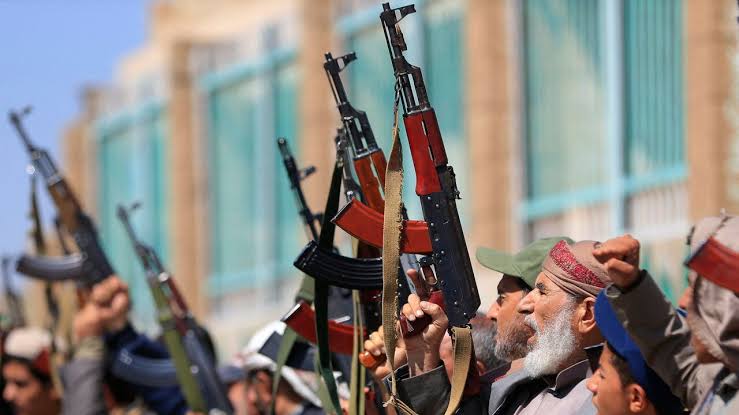
Syria has experienced years of conflict involving domestic groups and outside powers, including Turkey, Iran, Israel and other international actors. Although the political situation has changed since the fall of Bashar al-Assad’s government in December 2024, security challenges, territorial questions and foreign military involvement remain important issues.
Developments near southern Syria and the Golan Heights demonstrate how local security disputes can affect relations across the wider region.
Abraham Accords and Diplomatic Efforts
The Abraham Accords, announced in 2020, led to the normalisation of relations between Israel and the United Arab Emirates and Bahrain. Morocco also established formal relations with Israel, while Sudan announced its intention to normalise relations as part of a wider process.
These agreements changed diplomatic relations between Israel and several Arab countries. However, they did not resolve the Israeli-Palestinian conflict or settle the main disputes over territory, sovereignty and refugees.
Regional diplomacy continues to face the challenge of balancing national security concerns with demands for Palestinian statehood, protection of civilians and respect for international law.
Important Organisations and Agreements
Several organisations and agreements play major roles in West Asian security. The Palestine Liberation Organization (PLO) represents the Palestinian national movement internationally, while the Palestinian Authority administers parts of the West Bank. Hamas is a Palestinian Islamist organisation that controlled Gaza before the post-2023 conflict reshaped control on the ground.
UNDOF monitors the Israel-Syria separation arrangements, while UNIFIL operates in Lebanon. The United Nations Relief and Works Agency for Palestine Refugees in the Near East (UNRWA) provides services to eligible Palestinian refugees.
These institutions have different mandates and responsibilities. Their work includes humanitarian assistance, monitoring security arrangements and supporting diplomatic efforts, but none can independently resolve all the political disputes in the region.