



Phoenix Species Project Pledges $200 Million

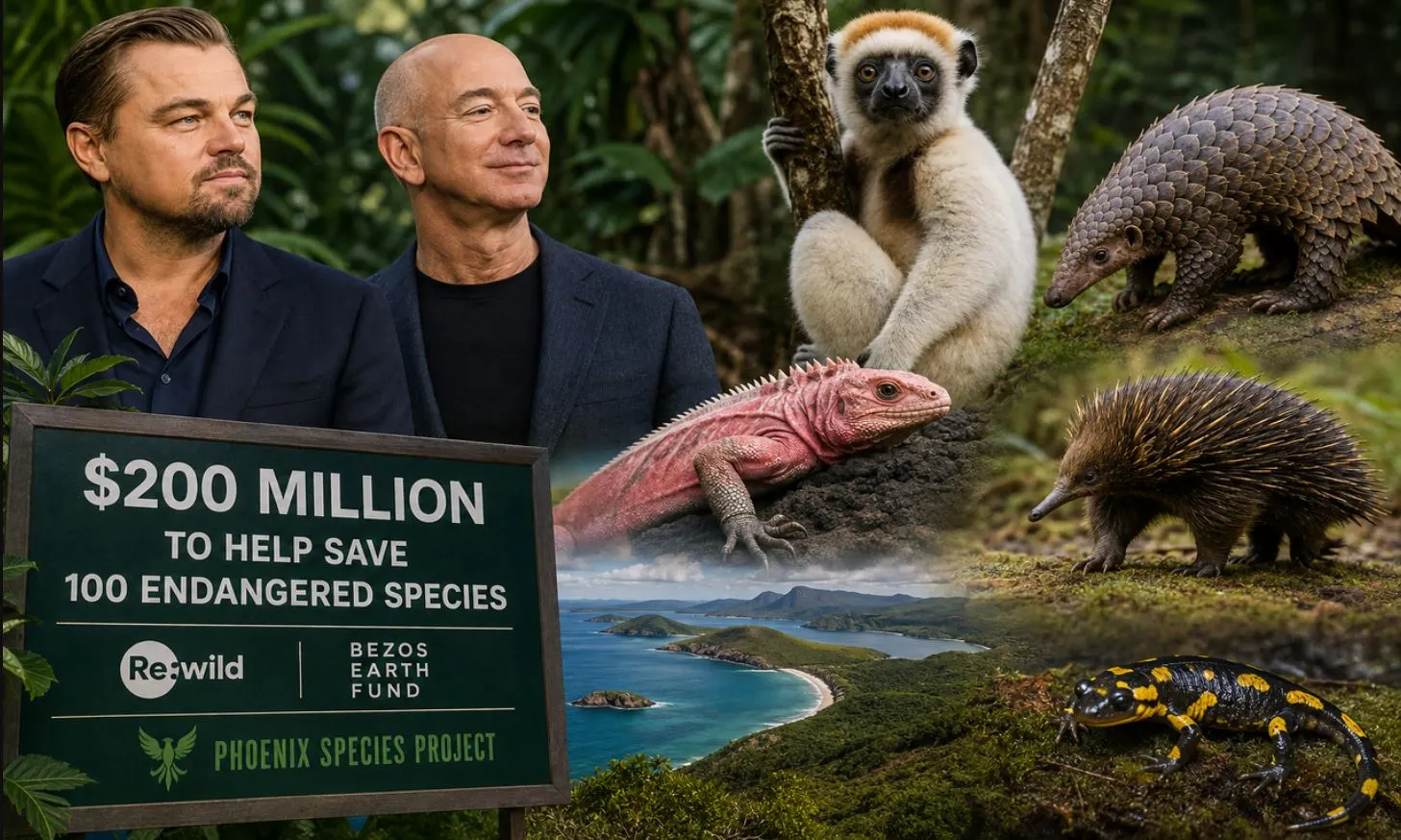
Phoenix Species Project is a major wildlife conservation initiative launched by Re and the Bezos Earth Fund to help protect some of the world’s most threatened species. Announced on August 4, 2026, the project brings together a funding commitment of $200 million to support the recovery of 100 critically endangered species and species that survive only in captivity or cultivation. The initiative covers 30 countries and aims to provide long-term support for wildlife, plants and their natural habitats.
Thank you for reading this post, don't forget to subscribe!$200 Million for Threatened Species
The Phoenix Species Project has received a total funding commitment of $200 million. The Bezos Earth Fund has pledged $100 million, while Re has committed the remaining $100 million.
Additional support has come from Leonardo DiCaprio, Age of Union and the Todd Graves Family Foundation. Re was co-founded by actor and environmental activist Leonardo DiCaprio, while the Bezos Earth Fund is chaired by Amazon founder Jeff Bezos.
The funding will support conservation work for 100 target species across seven broad groups: mammals, amphibians, reptiles, birds, fish, invertebrates and plants.
The project is designed to provide financial support over a longer period instead of relying only on short-term grants. Each selected species is expected to receive five years of support, giving conservation teams more time to plan, carry out and monitor recovery efforts.
More Than 100 Conservation Partners
The Phoenix Species Project brings together more than 100 partners, including Indigenous Peoples, local communities, scientists, conservation organisations and governments.
These partners will contribute local knowledge, scientific research and practical experience to species recovery programmes. Indigenous Peoples and local communities can play an important role because they often have long-standing knowledge of local wildlife, landscapes and changes in the environment.
The IUCN Species Survival Commission serves as the project’s global knowledge partner. The commission brings together experts who work on species conservation and help assess the risks faced by plants and animals.
By connecting scientific knowledge with local participation, the project aims to develop recovery plans suited to the needs of individual species and their habitats.
What Are Critically Endangered Species?
The project focuses on species listed as Critically Endangered or Extinct in the Wild on the International Union for Conservation of Nature (IUCN) Red List of Threatened Species.
Critically Endangered is the highest category of threat before a species is classified as Extinct in the Wild or Extinct. Species in this category face an extremely high risk of extinction in the wild.
The Extinct in the Wild category applies to species that survive only in captivity, cultivation or outside their natural range, rather than in their usual wild habitats.
These classifications help conservation experts understand how urgently a species needs protection. Threats can include habitat destruction, illegal hunting and wildlife trade, pollution, invasive species, climate change and the loss of food sources.
The Phoenix Species Project seeks to support recovery measures that address these threats and improve the chances of survival for selected species.
Examples of Species Covered by the Project
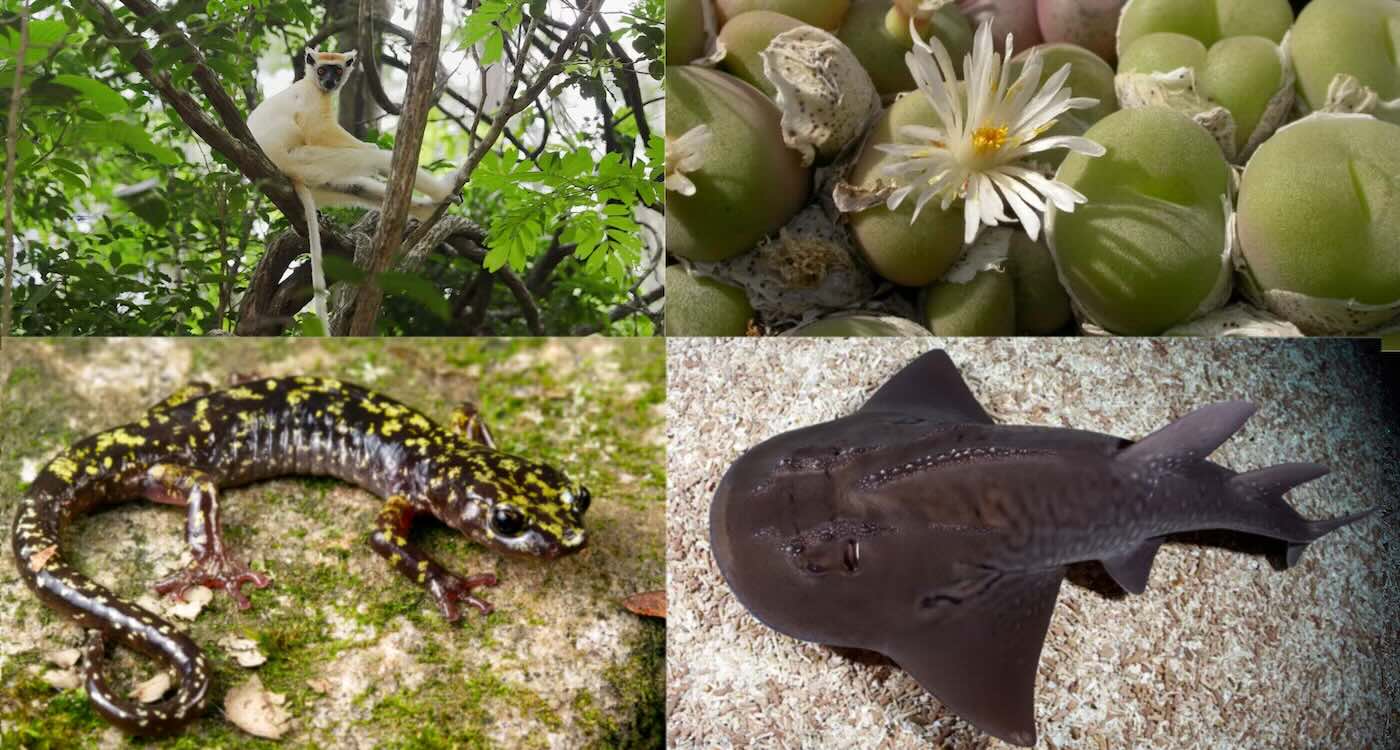
The project’s target list includes species from different parts of the world, each facing specific conservation challenges.
Golden-Crowned Sifaka
The golden-crowned sifaka is a lemur native to Madagascar. Lemurs depend on forest habitats, and the loss and fragmentation of forests can make it harder for their populations to survive. Protecting forest areas and reducing pressure on their habitats are important parts of lemur conservation.
Hickory Nut Gorge Green Salamander
The Hickory Nut Gorge green salamander is found in North Carolina in the United States. This amphibian depends on suitable rocky and forest habitats. Changes in its habitat and environmental conditions can affect its survival, making local conservation work important.
Night Parrot
Australia’s night parrot is a rare bird that has attracted considerable attention from conservation researchers. Its remote habitat and elusive behaviour make population monitoring challenging. Habitat protection and careful monitoring are important for its recovery.
Charco Azul Pupfish
The Charco Azul pupfish is a fish associated with Mexico. Species with restricted habitats can face serious risks when water quality changes or their habitat is damaged. Protecting the water systems on which they depend is essential for long-term survival.
Bowmouth Guitarfish and Visayan Warty Pig
The bowmouth guitarfish is a ray threatened by pressures on marine wildlife, including fishing. The Visayan warty pig is native to the Philippines and faces threats associated with habitat loss and hunting. These examples show that the project covers both marine and land-based conservation needs.
Five Years of Recovery and Monitoring
The Phoenix Species Project aims to support long-term recovery rather than provide funding for only short-term activities. Conservation teams will track changes in species populations and assess whether major threats are being reduced.
Monitoring is important because a species may need years of protection before its population shows clear signs of recovery. Conservation teams may need to restore habitats, control invasive species, prevent illegal hunting, improve breeding success or work with local communities to reduce human-wildlife conflict.
The project also plans to share progress updates through its website and social media platforms. Public reporting can help people follow the results of conservation work and understand where further support may be needed.
Why Long-Term Conservation Funding Matters
Wildlife recovery often requires continuous work over several years. Short-term funding can make it difficult for conservation teams to retain trained staff, monitor populations consistently or maintain habitat protection programmes.
A five-year support period gives teams more time to build local partnerships, gather reliable data and assess whether their actions are working. It can also help organisations plan beyond immediate emergencies.
A study published in the journal Science in 2024 examined 186 studies covering 665 conservation trials. It found that conservation actions improved biodiversity or slowed declines compared with taking no action in about two-thirds of the cases analysed.
This evidence highlights the value of conservation measures when they are carefully planned and supported by research. The Phoenix Species Project aims to use long-term funding and partnerships to help threatened species recover and reduce their risk of extinction.