Semiconductor Mission 2.0: India Sets Course for a Stronger, Smarter Chip Ecosystem

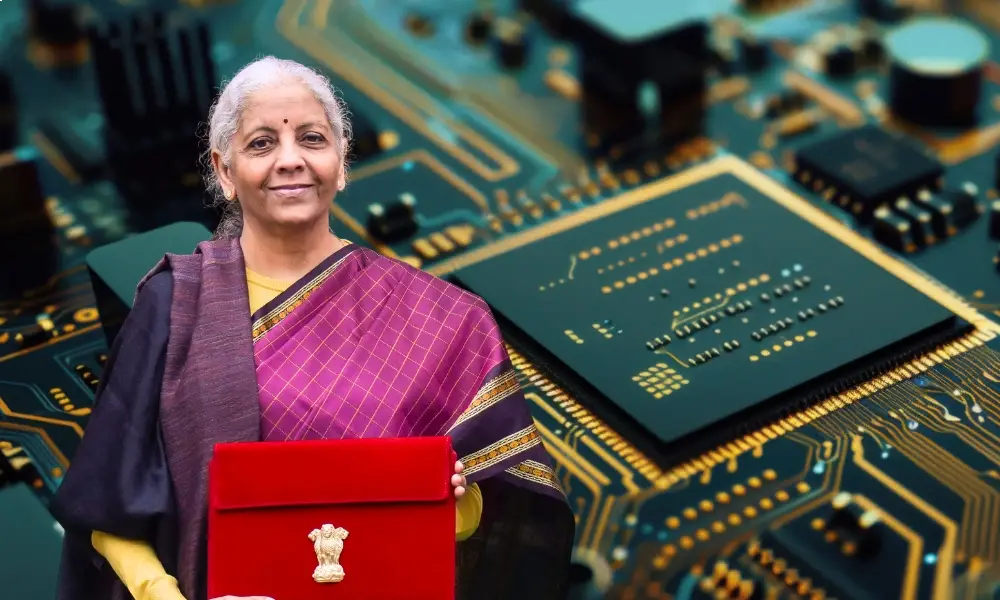
Semiconductor Mission 2.0 has been announced by Union Finance Minister Nirmala Sitharaman in the Union Budget 2026, marking a major step forward in India’s ambition to become a global centre for semiconductor and advanced electronics manufacturing. The new phase of the India Semiconductor Mission (ISM) focuses on moving India beyond assembly and packaging towards building strong domestic capabilities in materials, equipment, intellectual property, and research.
Thank you for reading this post, don't forget to subscribe!This mission reflects India’s changing strategy in the electronics sector. Instead of depending mainly on imported technology, the country aims to develop its own end-to-end semiconductor ecosystem that covers design, production, and innovation.
Building on the Foundation of ISM
The first phase of the India Semiconductor Mission attracted global and domestic investments in chip fabrication and assembly facilities. Semiconductor Mission 2.0 builds on this base by targeting higher-value segments of the industry.
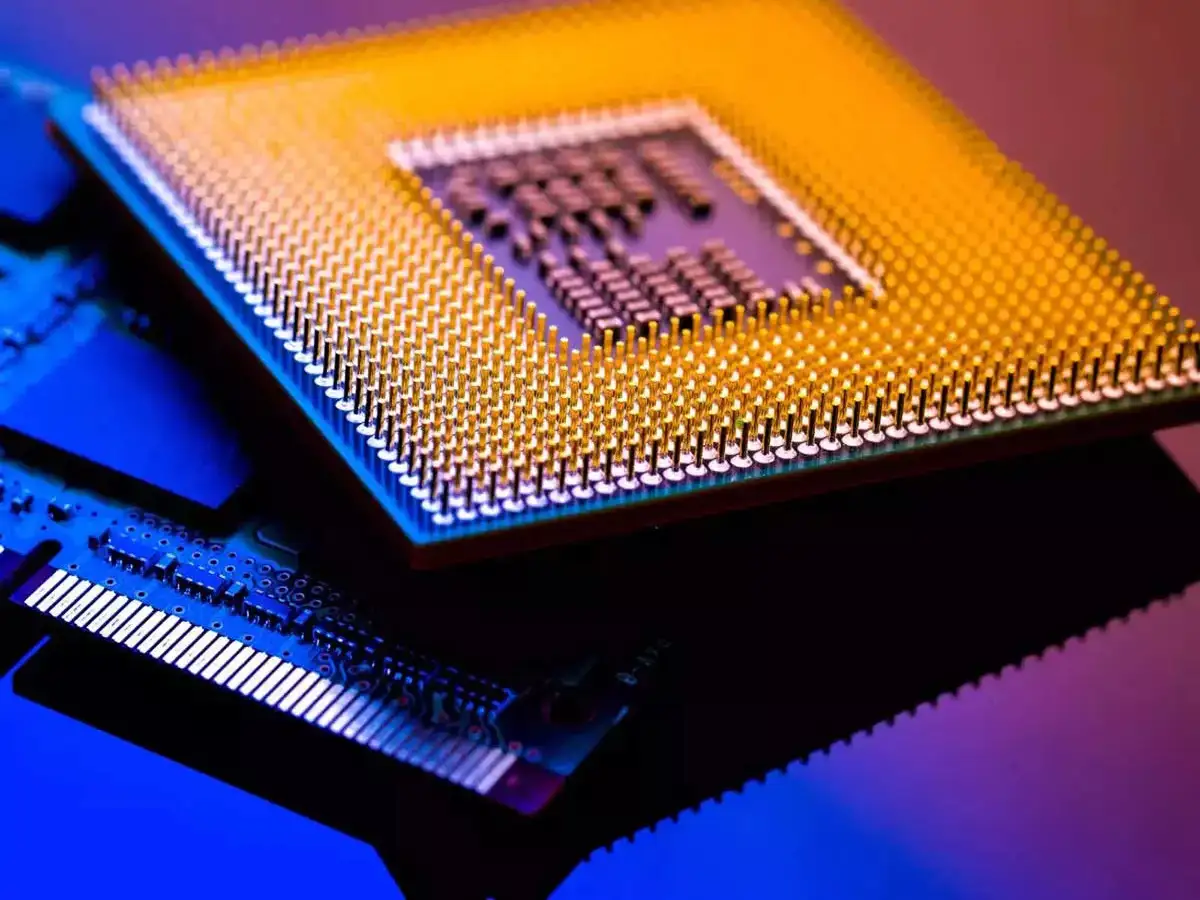
The new phase places special emphasis on semiconductor materials and manufacturing equipment. These include silicon wafers, specialty chemicals, gases, and complex machines used in chip production. At present, India imports most of these critical components. Developing them locally will improve supply security and reduce dependence on external sources.
Another important focus area is the creation of Indian-owned intellectual property. This means encouraging companies and startups to design their own chips and develop core technologies. Owning IP allows Indian firms to compete globally and earn greater value from their innovations.
Industry-Led Research and Skill Development
A key feature of Semiconductor Mission 2.0 is its stress on industry-led research and workforce training. The government plans to support collaboration between companies, universities, and research institutions to create centres of excellence.
Semiconductor manufacturing requires a highly skilled workforce, including engineers, technicians, and scientists. New training programmes, specialised courses, and hands-on learning facilities are expected to be introduced to prepare India’s youth for these roles.
By building a strong talent pool, India can ensure that its semiconductor plants and research labs operate efficiently and continue to innovate over time.
Customs Duty Reforms to Support Manufacturing
Alongside the mission, the Union Budget announced customs duty changes that support electronics production. Customs duty on parts used for video game manufacturing will be removed from April 1. This is expected to encourage domestic production of gaming hardware and accessories.
In addition, customs duty on TV equipment, cameras, and other instruments imported by foreign film and television crews for shooting in India will be waived. This step supports the creative industry and increases demand for high-quality electronic equipment.
These measures, together with Semiconductor Mission 2.0, create a more favourable environment for electronics manufacturing in India.
Positive Response from the Industry
Technology and electronics companies have welcomed the government’s announcements. Industry leaders believe that the focus on component localisation, supply chain strengthening, and design-led incentives will help Indian manufacturers move up the value chain.
Smartphone makers, consumer electronics brands, and industrial technology firms see the mission as a long-term opportunity. They expect it to drive innovation, generate skilled employment, and support the development of affordable products designed in India.
The emphasis on domestic IP development is especially encouraging for startups and design firms that want to create original technologies.
Role of Infrastructure in Semiconductor Growth
The Union Budget also highlights infrastructure-led growth, with higher capital spending on industrial corridors, logistics networks, and power systems. Good infrastructure is essential for semiconductor manufacturing, which requires reliable electricity, clean water, and efficient transport.
Electronics clusters and semiconductor parks are expected to benefit from these investments. When combined with the goals of Semiconductor Mission 2.0, this infrastructure push will help create a strong and connected manufacturing ecosystem.
Strategic Importance for India’s Future
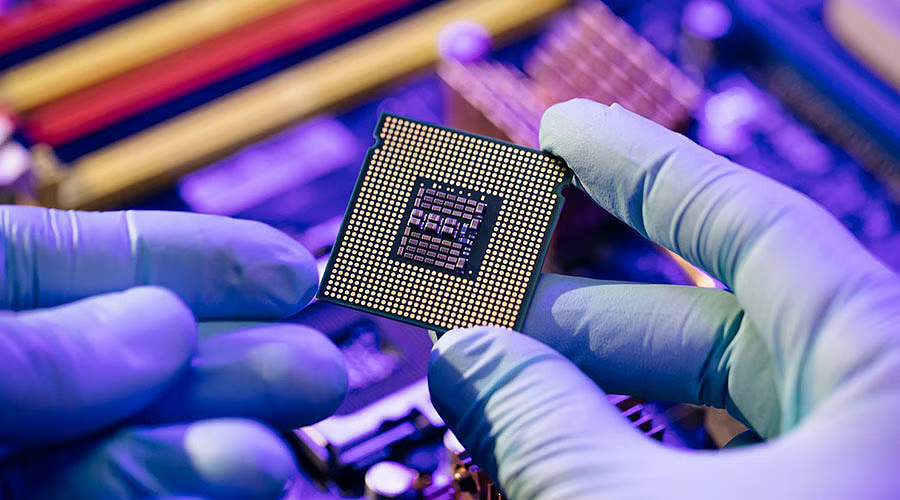
Semiconductors are considered a strategic sector because they are used in smartphones, electric vehicles, defence equipment, medical devices, and renewable energy systems. A strong domestic semiconductor industry improves national security and economic resilience.
Semiconductor Mission 2.0 represents India’s determination to become not just a manufacturing destination, but a technology creator. By focusing on materials, equipment, IP, skills, and infrastructure, the mission lays the groundwork for India to emerge as a major player in the global semiconductor landscape.