

International Buffer Zones Explained

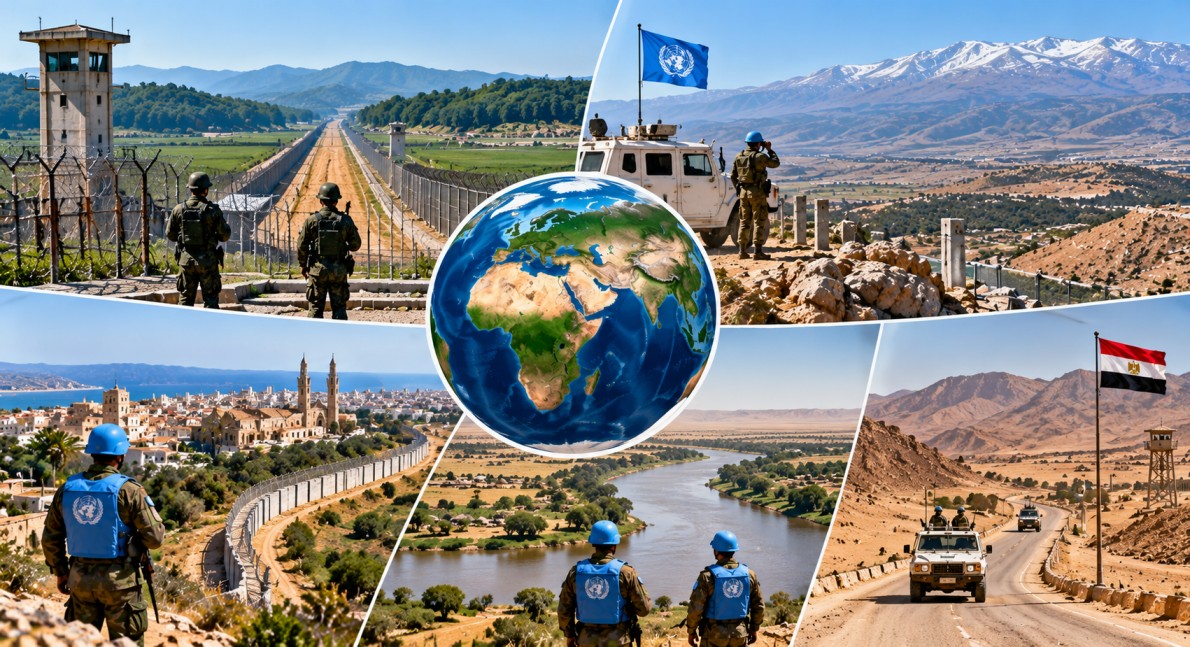
International Buffer Zones are special areas created to separate opposing forces and reduce the risk of direct military conflict. These zones play an important role in international security by helping maintain ceasefires, monitor border tensions, and support peace agreements. From the Korean Peninsula to the Golan Heights, they remain important in regions where political disputes and territorial claims continue to create security risks.
Thank you for reading this post, don't forget to subscribe!What Are Buffer Zones and Demilitarised Areas?
A buffer zone is an area between two opposing sides that helps prevent direct confrontation. It may be established through a peace treaty, ceasefire agreement, or other international arrangement. Depending on the agreement, the area may allow limited security activities or the presence of international observers.
A demilitarised zone (DMZ) is a more specific type of restricted area where military forces, weapons, or activities are prohibited or limited under an agreement. The exact restrictions depend on the terms of the arrangement. Therefore, although every DMZ serves as a buffer, not every buffer zone is completely demilitarised.
These areas aim to reduce the chances of surprise attacks, prevent border incidents, and provide space for diplomatic negotiations. International monitoring teams may also observe developments and report possible violations.
How Are International Buffer Zones Established?
International Buffer Zones usually emerge from agreements designed to stop or prevent fighting. Armistice agreements can suspend hostilities without resolving the underlying conflict, while peace treaties may establish longer-term security arrangements.
Disengagement agreements can separate opposing forces after a war. In some cases, the United Nations Security Council authorises missions to monitor ceasefires and support stability. Other arrangements, such as the security zones in Egypt’s Sinai Peninsula, are monitored by organisations outside the UN system.
These zones do not automatically resolve territorial disputes. Their effectiveness depends on cooperation between the parties, compliance with agreements, and the ability of monitoring bodies to carry out their duties.
Major International Buffer Zones Around the World
Korean Demilitarised Zone
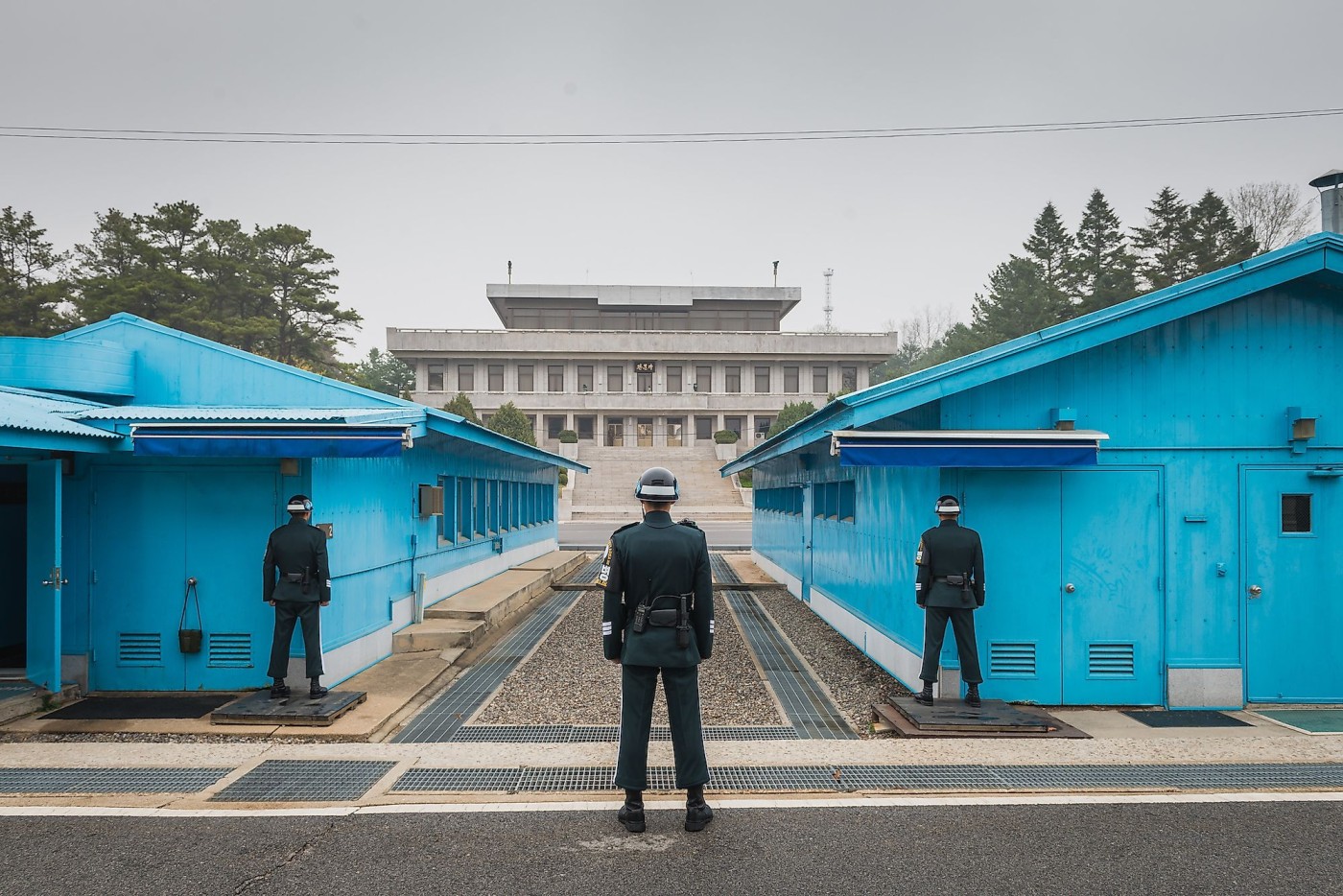
The Korean Demilitarised Zone separates North Korea and South Korea. It was established under the 1953 Korean Armistice Agreement, which halted large-scale fighting in the Korean War. The zone is approximately 250 kilometres long and four kilometres wide.
Despite its name, the area is heavily guarded along its outer boundaries. The Joint Security Area at Panmunjom has served as an important location for contact and negotiations between the two sides. Tensions on the Korean Peninsula continue to make the DMZ a major international security concern.
Golan Heights Buffer Zone
The Golan Heights is a strategically important region involving Israel and Syria. Following the 1973 Arab-Israeli War, the two countries signed the 1974 Disengagement Agreement, which created an area of separation between their forces.
The United Nations Disengagement Observer Force (UNDOF) was established in 1974 to supervise the ceasefire and monitor the area of separation. Developments in southern Syria and near the Golan Heights have repeatedly raised concerns about the security arrangements.
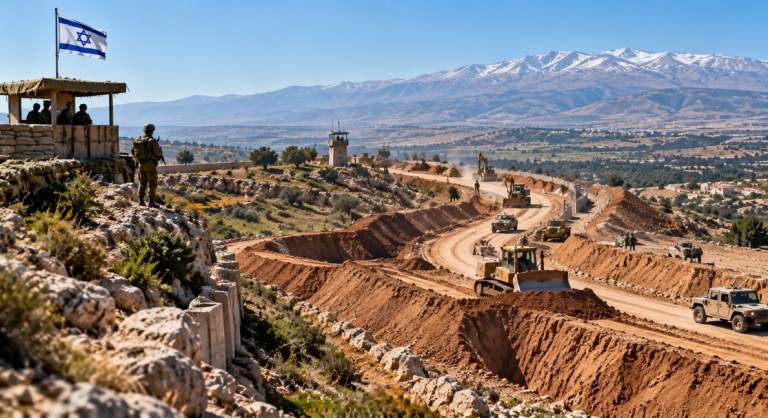
Recent attention has also focused on Israel’s reported Sufa 53 project in southern Quneitra. Syrian objections have raised questions about compliance with the 1974 agreement. The precise legal status of particular activities depends on the agreement’s terms and the facts established on the ground.
Cyprus Green Line
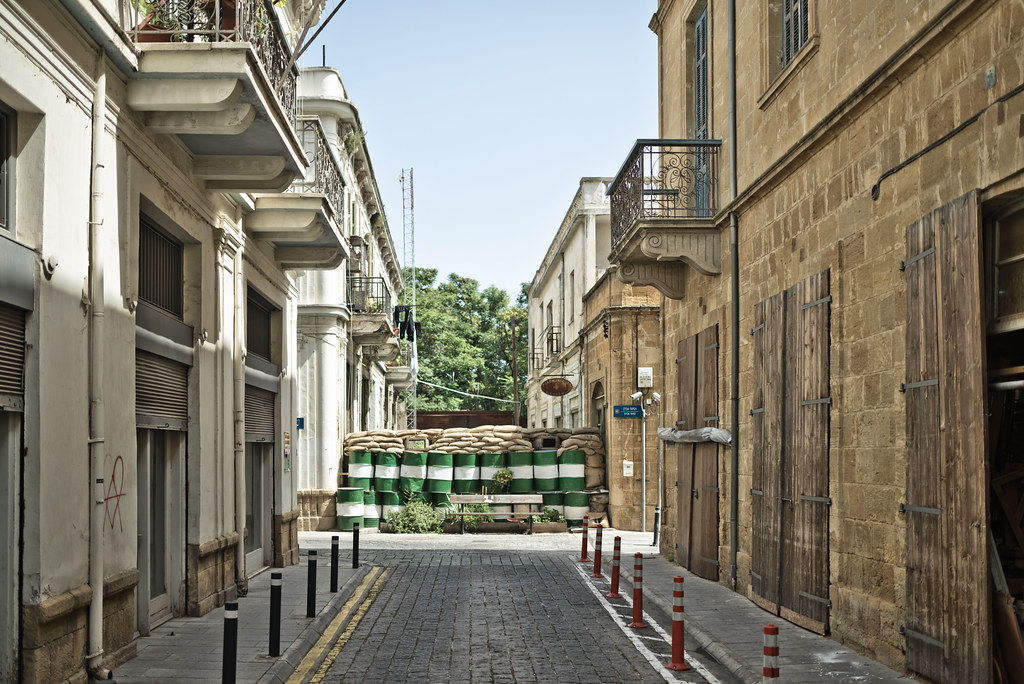
The Green Line separates areas administered by Greek Cypriots and Turkish Cypriots. The United Nations Peacekeeping Force in Cyprus (UNFICYP) was established in 1964 to prevent further fighting and help maintain stability.
Following the events of 1974, the division of the island became more pronounced. The UN continues to monitor the buffer zone, which also passes through parts of Nicosia, the island’s capital.
The Green Line remains central to efforts to reduce tensions and support negotiations over the future of Cyprus.
Abyei Area: Sudan and South Sudan
Abyei is a disputed area between Sudan and South Sudan. It has strategic and economic importance, including oil resources, and its status remains sensitive following South Sudan’s independence in 2011.
The United Nations Interim Security Force for Abyei (UNISFA) was established in 2011. Its responsibilities include monitoring the security situation and supporting civilian protection under its mandate. Continuing disagreements over administration and territorial status make Abyei an important example of the challenges facing international monitoring missions.
Sinai Peninsula: Egypt and Israel
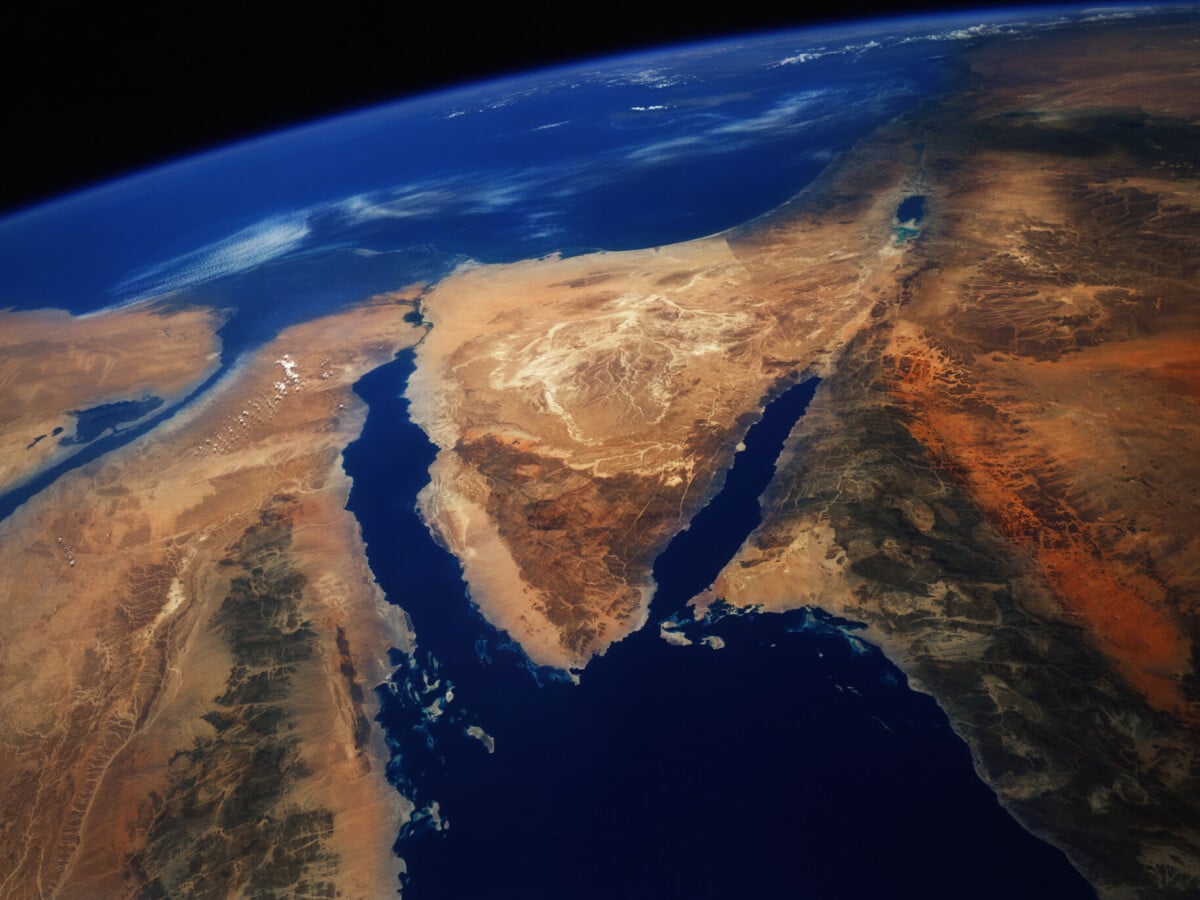
The 1979 Egypt-Israel Peace Treaty established security arrangements for the Sinai Peninsula, including areas with restrictions on military deployments. The Multinational Force and Observers (MFO), an independent organisation rather than a UN mission, monitors compliance with relevant provisions of the treaty.
The Sinai arrangement demonstrates how countries can use agreed limits on military activity and international monitoring to support a peace treaty.
Role of the United Nations in Monitoring Buffer Zones
The United Nations supports several international security arrangements through observation and peacekeeping missions. Their duties vary according to their mandates and may include monitoring ceasefires, reporting violations, maintaining communication between opposing sides, and helping protect civilians.
UNDOF operates in the Golan Heights area, while UNFICYP monitors the buffer zone in Cyprus. UNISFA works in Abyei, and the United Nations Military Observer Group in India and Pakistan (UNMOGIP) observes and reports on developments relating to the ceasefire arrangements in Jammu and Kashmir under its mandate.
These missions do not have identical powers. Their ability to prevent conflict depends on their mandates, access to the relevant areas, cooperation from the parties, and the wider political situation.
Comparison of Major International Buffer Zones
| Zone | Agreement or establishment | Monitoring body |
|---|---|---|
| Korean DMZ | 1953 Korean Armistice Agreement | Armistice mechanisms |
| Golan Heights | 1974 Disengagement Agreement | UNDOF |
| Cyprus Green Line | Established in 1964; extended following events in 1974 | UNFICYP |
| Abyei | UNISFA established in 2011 | UNISFA |
| Sinai Peninsula | 1979 Egypt-Israel Peace Treaty | Multinational Force and Observers |
Why Buffer Zones Matter in Current International Affairs
International Buffer Zones remain relevant because many conflicts involve disputed borders, military deployments, and competing territorial claims. When diplomatic relations deteriorate, these areas can help reduce direct contact between opposing forces and provide a framework for monitoring security arrangements.
However, a buffer zone cannot guarantee peace on its own. Renewed fighting, restrictions on monitors, political disagreements, and alleged violations can weaken its effectiveness. Recent tensions near the Golan Heights underline the importance of respecting existing agreements and maintaining communication between the parties.
For international organisations, the main challenge is to preserve these arrangements while supporting diplomatic efforts to address the disputes that created them.