


NASA PRAXIS Mission Announced

NASA PRAXIS Mission is a newly proposed space project that aims to study the particles that make up Saturn’s famous rings. Announced on 26 July 2026, the mission is designed to collect real ring particles directly from space and examine them using advanced scientific instruments. The project is expected to improve our understanding of how planetary rings form, change over time, and interact with the planets they surround. If approved for future development, PRAXIS could become one of NASA’s most innovative robotic space missions.
Thank you for reading this post, don't forget to subscribe!The mission combines artificial intelligence, advanced robotics, and space science to explore one of the Solar System’s most fascinating natural features.
What Is the NASA PRAXIS Mission?
PRAXIS stands for Planetary Rings Autonomous EXploration with In-situ Sampling.
The mission has been designed to travel to Saturn and collect tiny particles from its ring system without damaging the rings themselves. Unlike previous missions that mainly observed the rings from a distance, PRAXIS plans to directly capture and study the material that forms the rings.
Scientists believe that examining these particles up close will provide valuable information about the history and evolution of Saturn and its surrounding environment.
The project also demonstrates how modern robotics and artificial intelligence are transforming future space exploration.
Why Saturn’s Rings Are Important
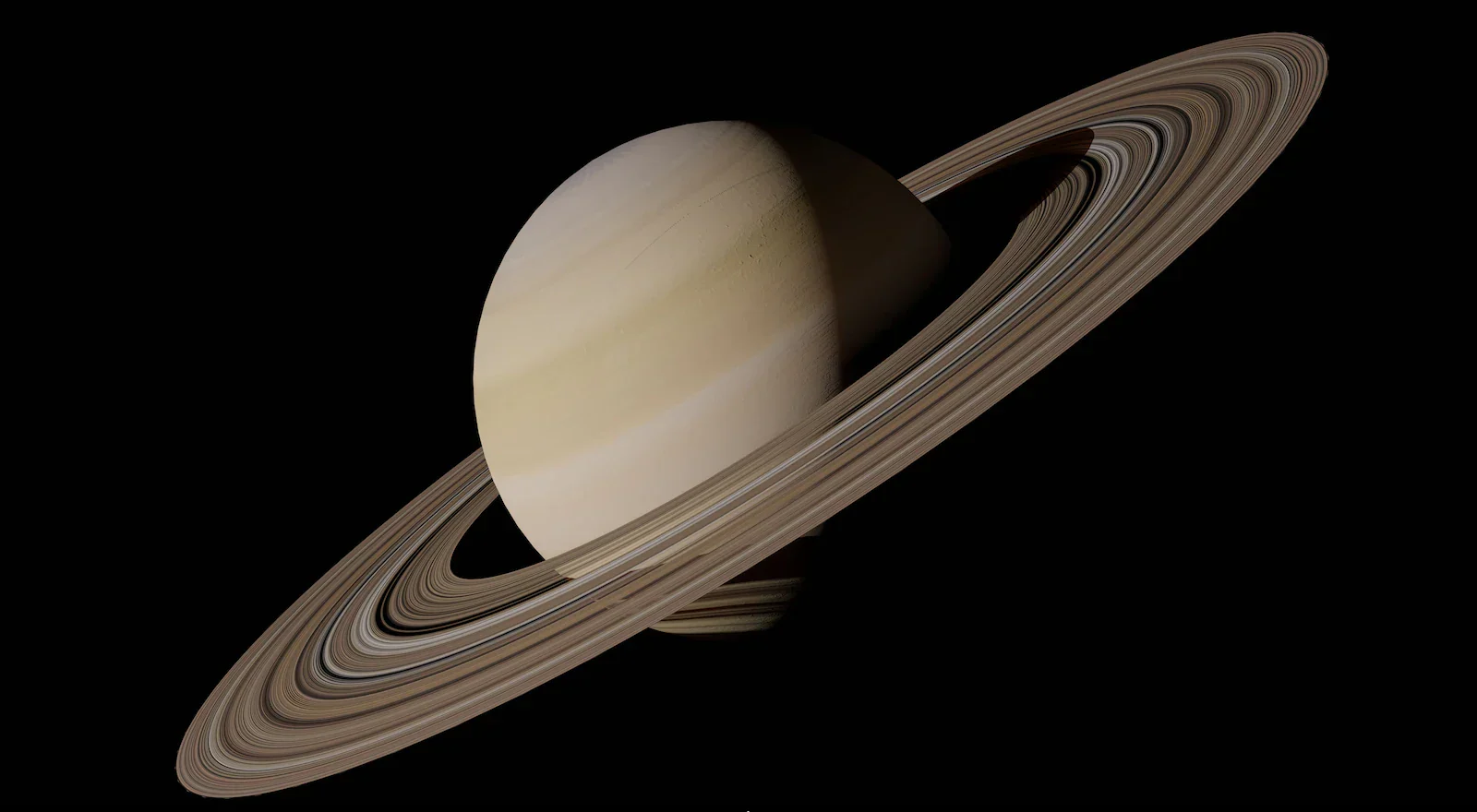
Saturn is well known for having the largest and most beautiful ring system in the Solar System.
These rings are made mostly of water ice, along with smaller amounts of dust and rocky material. The particles range in size from tiny grains to large chunks of ice.
Scientists have been studying Saturn’s rings for decades, but many important questions remain unanswered, including:

- How were the rings formed?
- How old are they?
- Why do they remain stable?
- How do the particles interact with each other?
The NASA PRAXIS Mission hopes to provide new answers by collecting real samples instead of relying only on images and remote observations.
Innovative Touch-and-Go Sampling
One of the most exciting features of the mission is its touch-and-go sampling system.
The spacecraft will use an AI-powered robotic arm attached to a long deployable boom. This system allows the spacecraft to briefly approach the rings, collect particles, and safely move away without colliding with the ring structure.
This advanced method reduces the risk of damaging either the spacecraft or Saturn’s delicate ring system.
The collected particles are expected to range from millimetre-sized grains to centimetre-sized pieces of ice and rock.
Advanced Scientific Instruments
After collecting the samples, the spacecraft will analyze them using onboard scientific instruments.
Researchers plan to study several important characteristics, including:
- Particle size.
- Chemical composition.
- Density and porosity.
- Surface structure.
- Physical properties.
Studying these features directly in space can provide much more accurate data than Earth-based observations alone.
The information gathered may help scientists better understand how planetary rings develop and change over millions of years.
AI and Robotics in Space Exploration
Artificial intelligence plays an important role in the NASA PRAXIS Mission.
Because Saturn is located nearly 1.4 billion kilometres from Earth, communication between Earth and the spacecraft takes a long time. This delay makes it difficult to control every movement from mission control.
To solve this challenge, the spacecraft will use AI to make quick decisions while collecting ring particles.
Autonomous robotic systems are becoming increasingly important in modern space exploration, allowing spacecraft to operate safely in distant and complex environments.
Supported by NASA’s NIAC Program
The PRAXIS concept received NASA Innovative Advanced Concepts (NIAC) Phase I funding in March 2026.
The NIAC programme supports early-stage ideas that could shape the future of aerospace technology.
During this stage, scientists focus on:
- Mission planning.
- Computer simulations.
- Engineering design.
- Technology testing.
- Feasibility studies.
Only the most promising concepts move forward to later development stages.
Led by NASA’s Jet Propulsion Laboratory
The PRAXIS project is led by Dr. B. Marco Quadrelli, who heads the Robotics Modelling and Simulation Group at NASA’s Jet Propulsion Laboratory (JPL) in Pasadena, California.
JPL has managed many successful robotic missions, including spacecraft sent to Mars, Jupiter, and Saturn.
Its experience in autonomous robotics and deep-space exploration makes it well suited to develop advanced missions like PRAXIS.
Building on the Success of Cassini
The proposed mission builds upon discoveries made by the Cassini spacecraft, a joint mission of NASA and the European Space Agency.
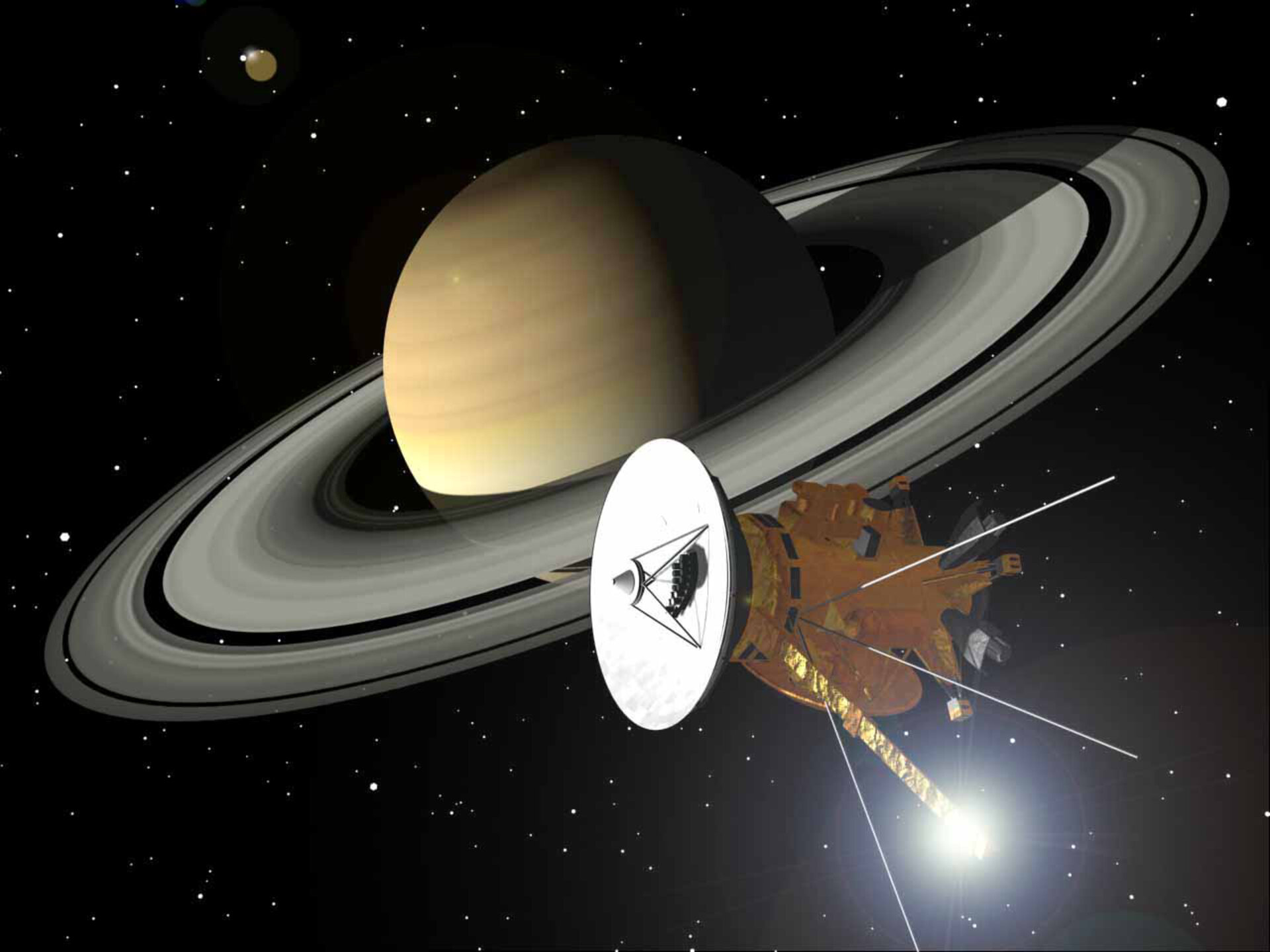
Cassini studied Saturn and its moons from 2004 to 2017, sending back thousands of images and scientific observations.
Although Cassini greatly improved our understanding of Saturn’s ring system, it did not collect physical ring particles for detailed onboard analysis.
PRAXIS aims to take the next step by directly sampling the ring material.
Looking Ahead to Future Planetary Exploration
The technology being developed for the NASA PRAXIS Mission may also support future exploration of other planets with ring systems, including Uranus and Neptune.
Scientists believe that comparing the rings of different planets could reveal how planetary systems evolve over time and provide new insights into the formation of the Solar System.
As space agencies continue to invest in artificial intelligence, autonomous robotics, and advanced scientific instruments, missions like PRAXIS highlight the next generation of space exploration focused on collecting real samples from distant worlds and expanding humanity’s understanding of the universe.