


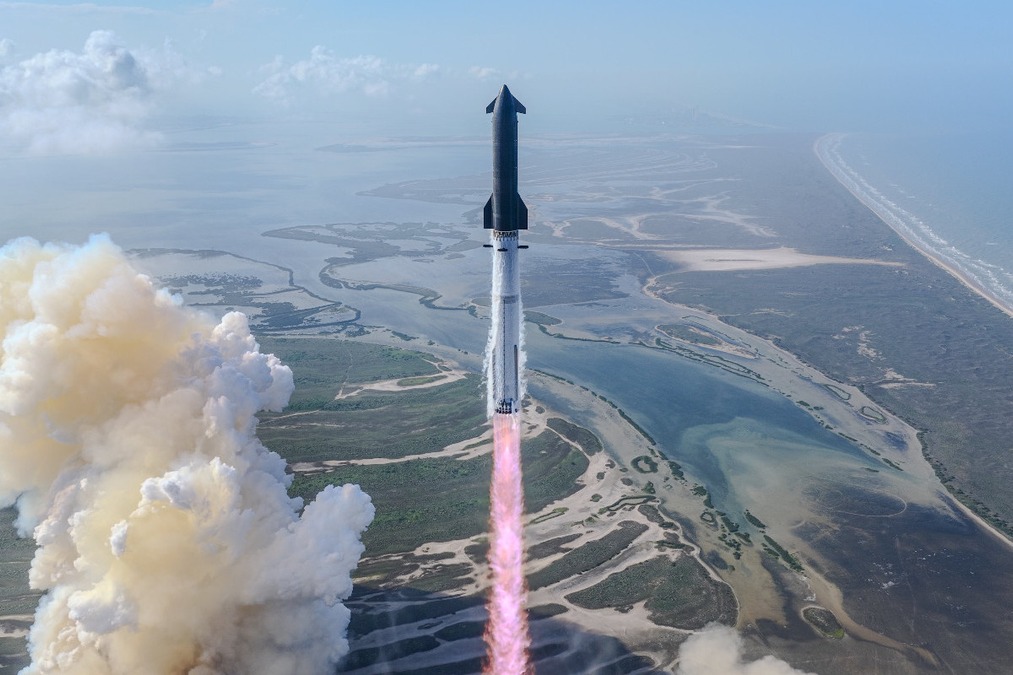

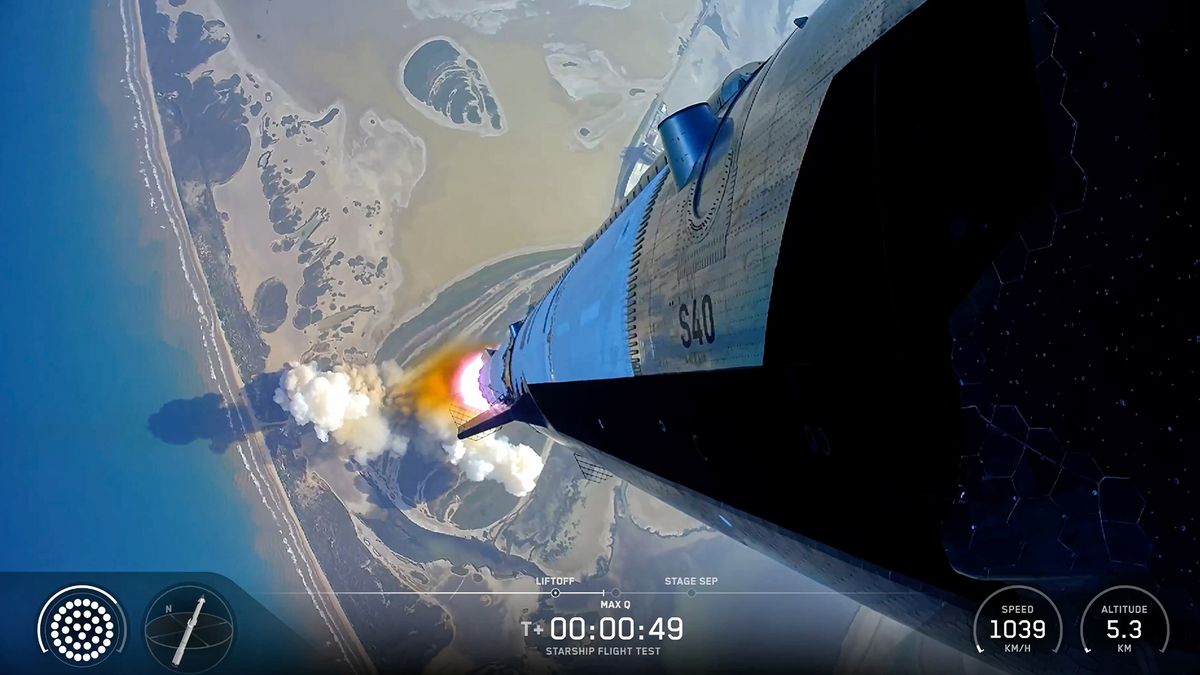
SpaceX Starship Flight 13 successfully lifted off from Starbase, Texas, on 24 July 2026, marking another important milestone in SpaceX’s reusable rocket program. During the mission, the Starship upper stage deployed 20 upgraded Starlink V3 satellites into suborbital space while also carrying out an in-space Raptor engine relight test. The flight was designed to evaluate new technologies, improve spacecraft performance, and support the future development of missions to Earth orbit, the Moon, and beyond.
The latest mission continues SpaceX’s efforts to build a fully reusable launch system capable of reducing the cost of space travel while expanding satellite communication services around the world.

What Is Starship?
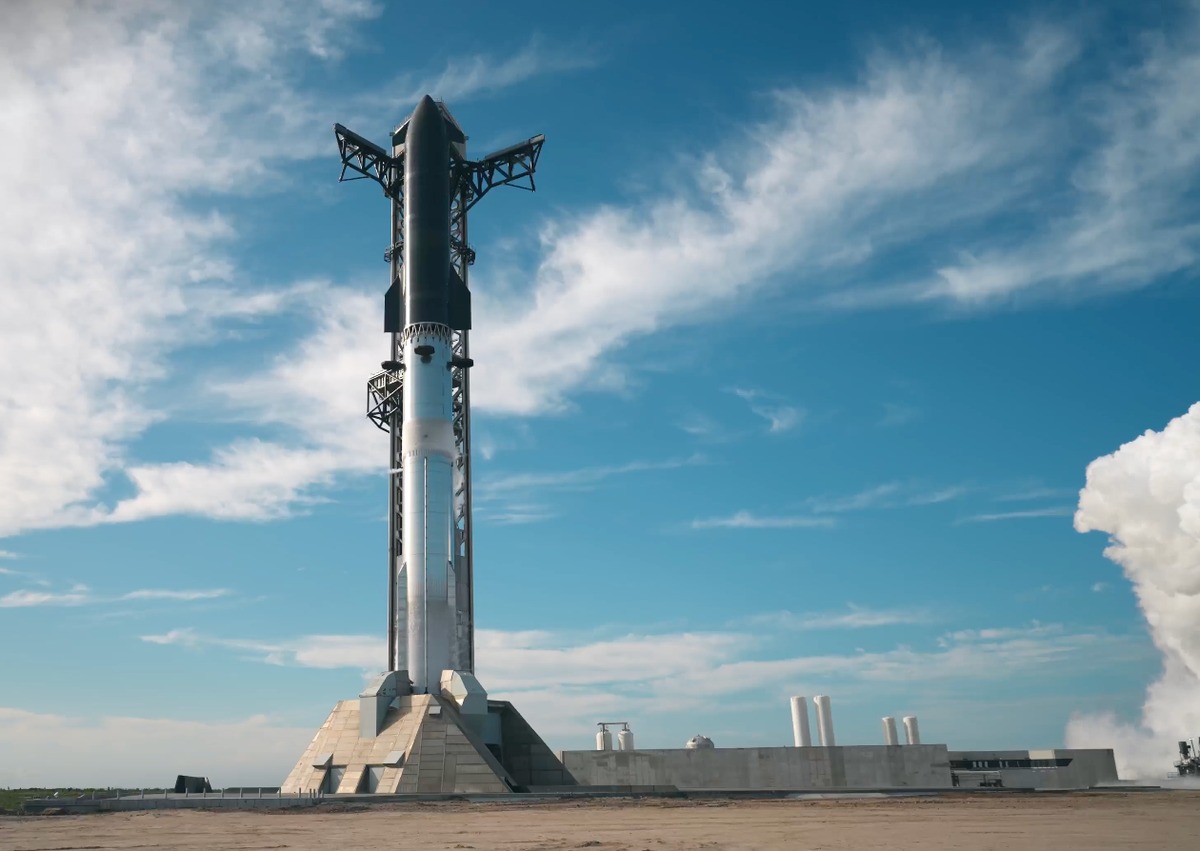
Starship is SpaceX’s next-generation launch system designed for a wide range of space missions.
The vehicle consists of two main parts:
- Super Heavy Booster, which provides the powerful thrust needed during liftoff.
- Starship Upper Stage, which carries satellites, cargo, and future astronauts into space.
Unlike traditional rockets, Starship is designed to be fully reusable, allowing both stages to be recovered and used again after each mission. This approach aims to make space travel faster, more affordable, and more sustainable.
SpaceX plans to use Starship for satellite launches, lunar missions under NASA’s Artemis program, and future human missions to Mars.
20 Starlink V3 Satellites Deployed
One of the main goals of Flight 13 was deploying 20 Starlink Version 3 (V3) satellites.
Starlink is SpaceX’s global satellite internet network that provides broadband connectivity to users around the world, especially in remote and underserved areas.
The new V3 satellites are expected to deliver:
- Higher internet speeds.
- Greater network capacity.
- Improved data transmission.
- Better service for growing numbers of users.
As demand for satellite internet continues to increase, SpaceX is expanding the Starlink network with more advanced satellites capable of handling larger amounts of data.
Cameras Provided Live Views from Space
An interesting feature of this mission was that six of the Starlink V3 satellites were equipped with onboard cameras.
These cameras transmitted live images and video during the flight, allowing engineers and viewers on Earth to observe Starship’s journey from space.
Live visual data helps engineers better understand spacecraft performance while also giving the public a closer look at space missions.
Such technology is becoming increasingly common as space agencies and private companies focus on improving mission monitoring and public engagement.
Raptor Engine Tested in Space
Another important objective of the mission was testing the Raptor engine restart while Starship was already in space.
The Raptor engine is one of the world’s most advanced rocket engines, powered by liquid methane and liquid oxygen.
Successfully restarting an engine in space is important because future deep-space missions may require multiple engine burns during flight.
This capability is expected to play a major role in future lunar landings, satellite deployments, and interplanetary missions.
Safe Re-entry into Earth’s Atmosphere
After completing its mission, the Starship upper stage re-entered Earth’s atmosphere.
The spacecraft performed a controlled splashdown in the Indian Ocean while remaining intact and continuously transmitting telemetry data to mission controllers.
Telemetry refers to the remote transmission of technical information from a spacecraft to ground stations. Engineers use this information to study vehicle performance, temperatures, structural behaviour, and navigation systems.
The successful return provides valuable data for improving future Starship flights.
Super Heavy Booster Performance
The Super Heavy Booster also completed several planned flight operations after separating from Starship.
It successfully performed a directional flip and a boostback burn before descending toward the Gulf of Mexico.
During the landing phase, fewer engines than expected restarted, leading to a hard splashdown instead of a fully controlled landing.
Even though the booster was not recovered, the flight still generated important engineering data that will help improve future booster recovery attempts.
Building on Earlier Test Flights
Flight 13 followed Starship Flight 12, which took place in May 2026.
Engineers introduced several hardware and software upgrades based on lessons learned from earlier missions.
Every Starship test flight allows SpaceX to identify areas for improvement and gradually increase the reliability of the launch system.
The Starlink satellites deployed during this mission followed the same suborbital trajectory as Starship and later re-entered Earth’s atmosphere after completing planned data collection.
SpaceX’s Future Plans
SpaceX continues to expand its ambitions in space exploration through reusable rocket technology and advanced satellite systems.
Starship is expected to support future missions involving satellite deployment, lunar exploration, cargo transportation, and eventually human travel to Mars. At the same time, the growing Starlink network is helping improve internet access in many parts of the world.
With each successful test flight, SpaceX gathers valuable engineering data that brings the company closer to developing a fully reusable spacecraft capable of supporting long-term space exploration and next-generation communication services.