



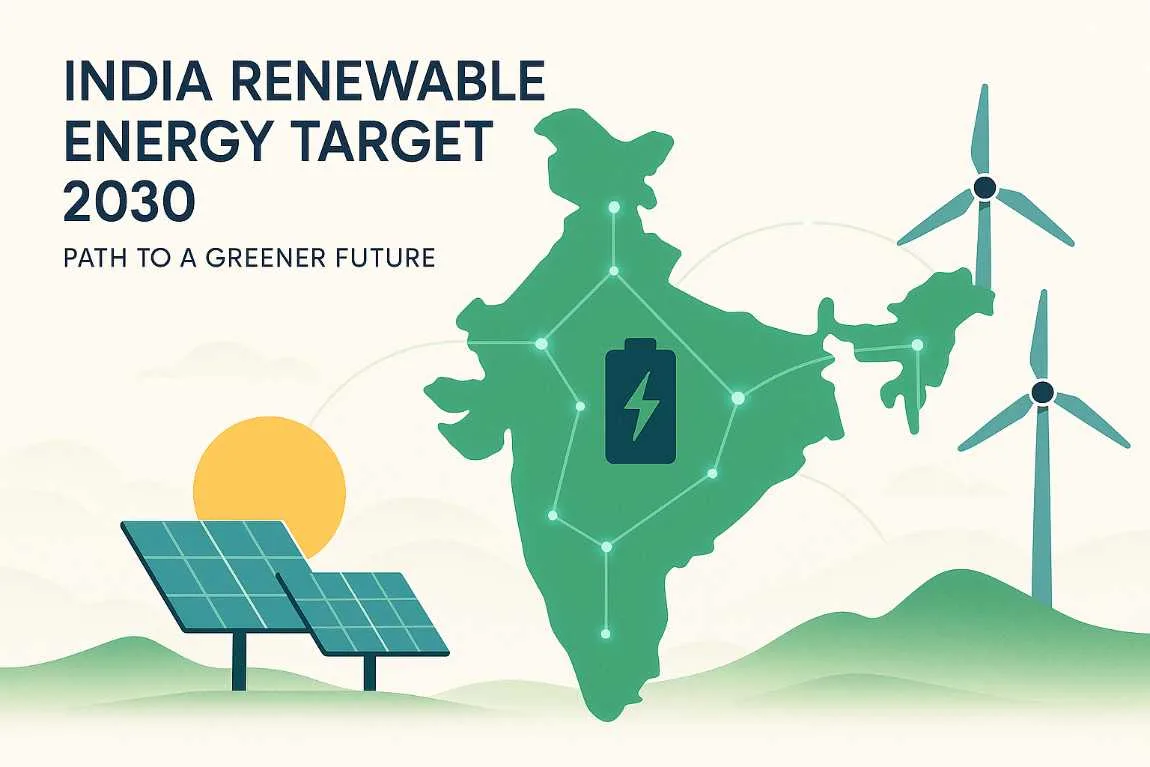
India Wind Energy Target 2035

India Wind Energy Target is gaining attention as India sets an ambitious plan to reach 155 GW of wind energy capacity by 2035. This move reflects the country’s strong push towards renewable energy and reducing dependence on fossil fuels. Wind energy is becoming a key part of India’s strategy to meet rising electricity demand while protecting the environment.
Thank you for reading this post, don't forget to subscribe!The country has already crossed 56 GW of installed wind energy capacity as of mid-2026, showing steady progress in this sector. With growing focus on sustainability and climate action, wind power is expected to play a major role in shaping India’s future energy mix.
Growing Importance of Wind Energy
Wind energy is one of the cleanest sources of power available today. It works by using wind turbines to convert the natural movement of air into electricity. This process does not produce harmful emissions, making it an important solution for reducing pollution.
India is currently among the top wind energy producers in the world. The country continues to expand its renewable energy capacity to meet both domestic needs and global climate commitments. The increase in installations over recent years shows a clear shift towards greener energy sources.
Targets for 2030 and 2035
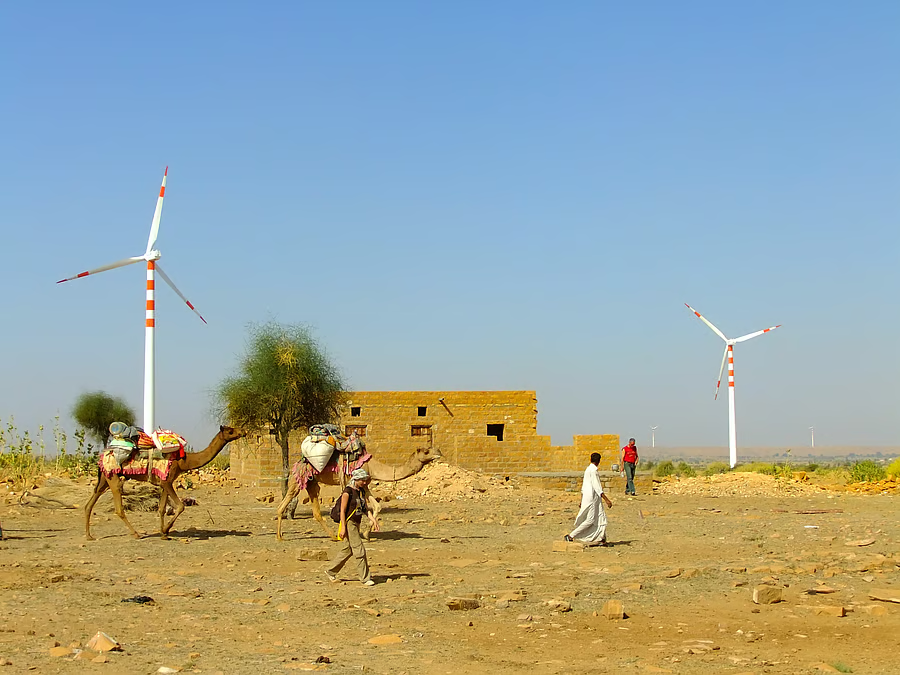
The India Wind Energy Target includes a step-by-step plan for expansion. The country aims to reach 100 GW of wind energy capacity by 2030 as an intermediate goal. This will help build momentum towards the larger 155 GW target set for 2035.
These targets are part of a broader renewable energy vision that includes solar, wind, and other clean sources. The government is focusing on scaling up infrastructure and encouraging investment in the sector.
Launch of WT-MARUT Digital Platform
A major development supporting the India Wind Energy Target is the launch of the WT-MARUT platform. This digital system is designed to improve how the wind energy supply chain is managed across the country.
WT-MARUT helps in connecting suppliers, manufacturers, and developers. It supports domestic production and ensures better transparency in the supply chain. This is important for reducing delays and improving efficiency in project execution.
The platform also reflects the growing use of digital tools in managing large-scale infrastructure projects in India.
Focus on Domestic Manufacturing
India is placing strong emphasis on local manufacturing as part of its wind energy expansion. Wind turbines require several key components such as blades, towers, gearboxes, and generators.
By encouraging local production of these components, the country aims to reduce imports and strengthen its industrial base. This approach also creates job opportunities and supports economic growth.
The push for domestic manufacturing is aligned with broader efforts to build a self-reliant economy while advancing clean energy goals.
Challenges in Project Implementation
While the India Wind Energy Target is ambitious, there are several challenges that need attention. One of the key issues is land acquisition, which can delay project timelines.
Another challenge is grid connectivity. Wind energy projects require strong transmission networks to deliver power from remote areas to cities and industries. Improving infrastructure is essential for ensuring smooth operations.
Planning and coordination between different agencies are also important to ensure that projects are completed on time.
Role of Government Policies
Government policies play a major role in driving the growth of wind energy in India. Supportive regulations, financial incentives, and clear guidelines help attract investment into the sector.
The government is working on policies that promote renewable energy while ensuring stability in the power market. These measures are designed to encourage both public and private participation.
Policy support is also helping India move closer to its long-term sustainability goals.
Global Context and Climate Goals
The India Wind Energy Target is part of a larger global effort to shift towards clean energy. Countries around the world are increasing their investments in renewable sources to reduce carbon emissions.
India’s progress in wind energy adds to its reputation as a key player in global climate action. The country is actively participating in international discussions on sustainability and energy transition.
This focus on renewable energy is also important for addressing current challenges such as climate change and rising energy demand.
Future Outlook for Wind Energy
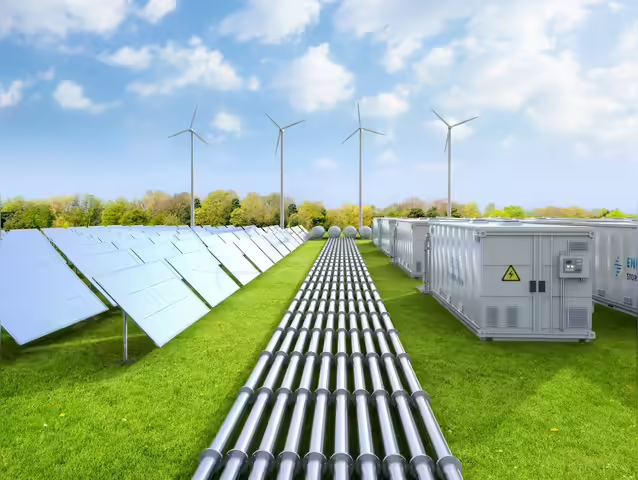
The future of wind energy in India looks promising. With strong targets, growing investment, and technological advancements, the sector is expected to expand significantly in the coming years.
Digital platforms like WT-MARUT, along with improved infrastructure, will help streamline project development. At the same time, increasing awareness about clean energy will encourage more support from industries and communities.
Wind energy will continue to be a major contributor to India’s journey towards a sustainable and energy-secure future.