
US Pacific Command Renaming

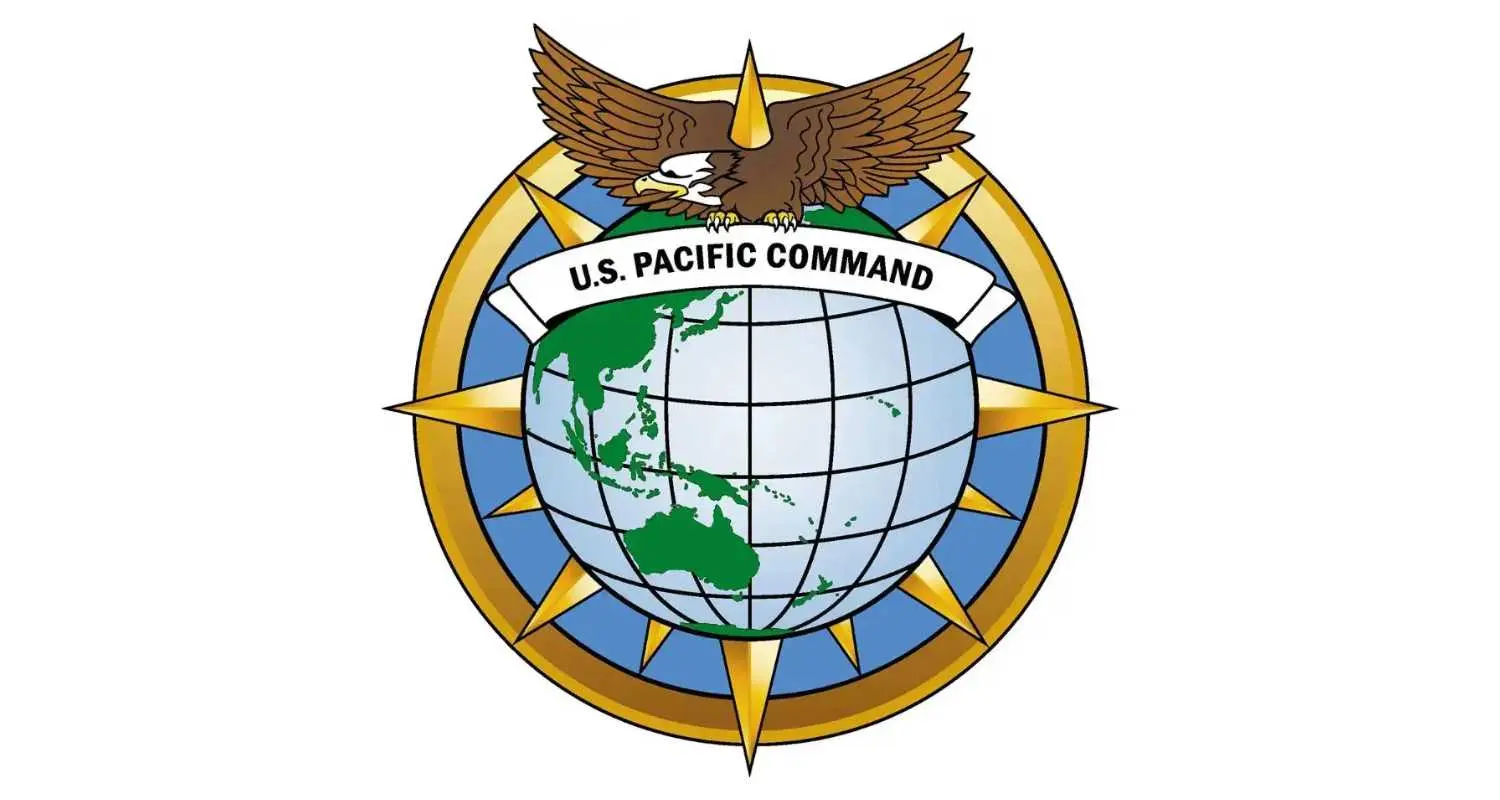
US Pacific Command is back in focus after the United States officially renamed the U.S. Indo-Pacific Command to the U.S. Pacific Command in mid-June 2026. This decision reflects a shift in naming, while the core military structure and responsibilities remain the same.
Thank you for reading this post, don't forget to subscribe!The announcement came as part of ongoing updates in defense communication and global strategy. Even though the name has changed, the command continues to play a key role in maintaining security across a vast and important region.
History Behind the Pacific Command
The U.S. Pacific Command has a long history that dates back to January 1, 1947. It was established by Harry S. Truman after World War II, when global military coordination became more important.
For decades, the command operated under this name and managed military operations across the Pacific region. It became one of the most important defense structures of the United States.
In 2018, the name was changed to Indo-Pacific Command to reflect a broader strategic vision that included both the Indian and Pacific Oceans.
Why the Name Was Changed in 2018
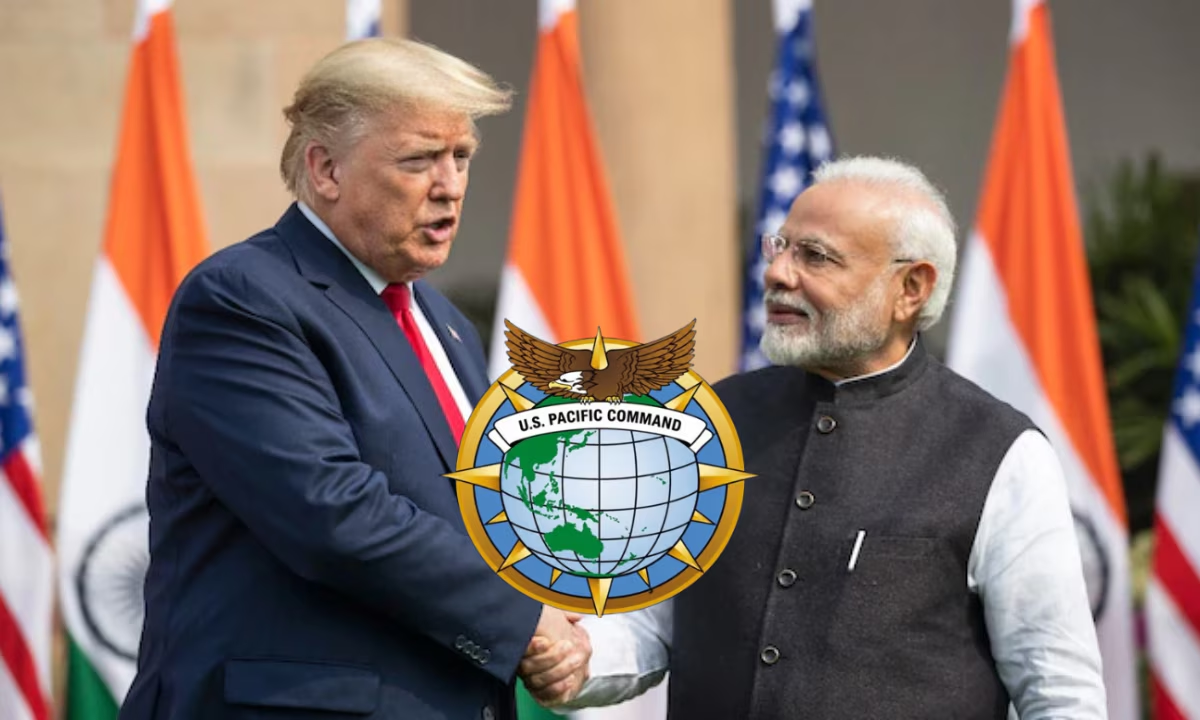
The term “Indo-Pacific” gained popularity in global politics as countries began to view the Indian Ocean and Pacific Ocean as a connected strategic space.
Under Jim Mattis, the name change in 2018 aimed to highlight this connection. It also showed the growing importance of countries like India in global security and trade.
This shift was not just about geography but also about partnerships, alliances, and economic routes in the region.
2026 Renaming Back to Pacific Command
In June 2026, the United States decided to return to the original name, U.S. Pacific Command. This move does not change the command’s operations, troop strength, or responsibilities.
The renaming is seen more as an administrative or symbolic decision rather than a major strategic change. The command continues to focus on regional stability, defense cooperation, and military readiness.
It also shows how naming in global politics can evolve based on changing priorities and communication strategies.
Structure of the Command
The U.S. Pacific Command is one of the unified combatant commands of the United States Armed Forces. It is known as the oldest and largest among them.
Its headquarters is located at Camp H. M. Smith in Hawaii. From this base, military leaders coordinate operations across a wide region.
The command includes personnel from different branches of the military, working together to manage defense activities.
Area of Responsibility
The Pacific Command covers a massive area that stretches from the west coast of the United States to the western border of India.
This region includes important sea routes, trade paths, and strategic locations. It also involves many countries with growing economic and military influence.
Because of this, the command plays a key role in ensuring peace, security, and cooperation among nations in the region.
Role in Today’s Global Environment
In today’s world, global security challenges are constantly changing. Issues like maritime security, cyber threats, and regional tensions require strong coordination.
The U.S. Pacific Command works closely with allies and partners to address these challenges. Joint exercises, training programs, and defense agreements are part of this effort.
The renaming does not affect these activities, which continue as before.
Connection with Current Global Trends
The Indo-Pacific region remains one of the most discussed areas in global politics. Countries are focusing on trade routes, supply chains, and security partnerships.
Even though the name has changed, the importance of this region has not reduced. Nations continue to invest in defense and cooperation to protect their interests.
The United States remains actively involved in maintaining balance and stability in this part of the world.
Administrative Nature of the Change
The 2026 renaming mainly restores the original title used for over 70 years. It does not bring changes to military plans or operations.
Such decisions often reflect internal preferences or communication clarity rather than major policy shifts.
Still, the move has drawn attention as it connects past and present strategies of the United States.
Ongoing Role and Future Outlook
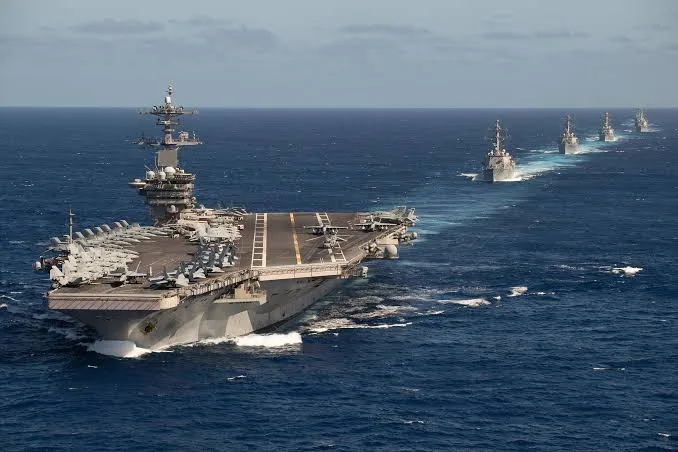
The U.S. Pacific Command continues to operate as a central part of global defense planning. Its responsibilities include monitoring regional developments, supporting allies, and ensuring readiness.
As global dynamics continue to evolve, the command is expected to adapt while maintaining its core mission.
The renaming highlights how institutions can change in name while continuing their long-standing roles in global affairs.