India-China Trade Hits $155 Billion: A New Phase in Economic Engagement

India–China economic relations have entered a notable phase in 2025, marked by a historic rise in bilateral trade. The focus keyword India-China Trade Hits $155 Billion reflects more than just a number. It signals a gradual stabilisation of ties between Asia’s two largest economies after years of diplomatic and border-related tensions. Despite political differences, trade and business links have continued to grow, showing how deeply connected the two economies have become.
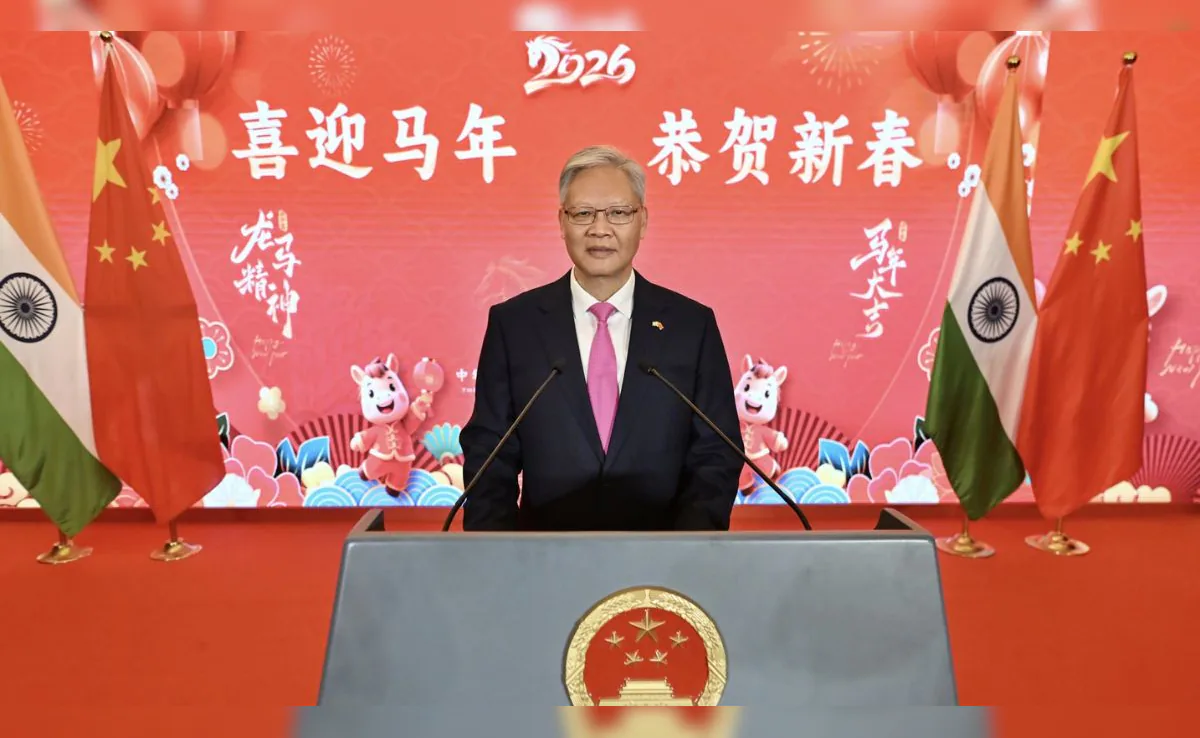
Thank you for reading this post, don't forget to subscribe!Chinese officials have described this phase as a “new level of improvement,” suggesting cautious optimism rather than dramatic change. The record trade figures highlight how economic cooperation is moving forward, even as both sides remain careful in their strategic approach.
Record Growth in Bilateral Trade
In 2025, India–China bilateral trade reached USD 155.6 billion, the highest level ever recorded between the two countries. This represented a year-on-year growth of more than 12 per cent, showing strong momentum in commercial exchanges. The growth came at a time when global trade faced uncertainties due to slowing demand, supply chain disruptions, and geopolitical tensions in different regions.
India’s exports to China grew by nearly 9.7 per cent during the year. This increase points to rising Chinese demand for Indian products such as iron ore, agricultural commodities, chemicals, and certain manufactured goods. At the same time, India continued to import large volumes of electronics, machinery, active pharmaceutical ingredients, and industrial components from China.
While the trade imbalance remains a concern for India, the overall growth shows that both sides see economic value in continued engagement. Businesses on both sides have adapted to political realities, focusing on long-term market opportunities rather than short-term disruptions.
Diplomatic Signals Supporting Trade
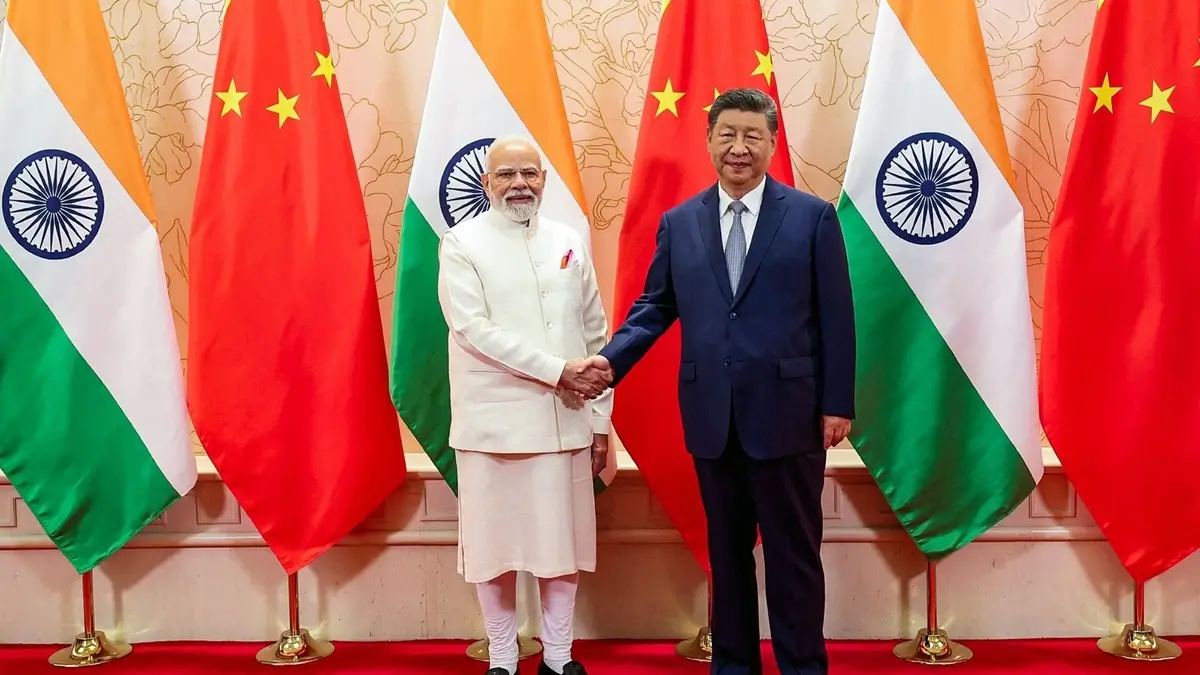
The improvement in trade ties did not happen in isolation. A key diplomatic moment came in August 2025, when Prime Minister Narendra Modi and Chinese President Xi Jinping met in Tianjin. This high-level meeting was seen as an important step toward easing tensions and restoring regular dialogue.
According to Chinese officials, the meeting marked a shift from a simple “reset” to more sustained engagement. Since then, interactions between diplomats, trade officials, and industry representatives have increased. These exchanges have helped create a more predictable environment for businesses, which is essential for trade growth.
Although sensitive issues such as border disputes remain unresolved, both sides appear to agree that economic dialogue should continue. This separation of political disagreements from economic cooperation has played a role in supporting the record trade figures.
Expanding Areas of Economic Cooperation
The rise in trade also reflects expanding areas of cooperation. Indian companies are exploring opportunities in sectors such as information technology services, pharmaceuticals, and renewable energy components. Chinese firms, on the other hand, continue to play a major role in supplying affordable electronics, electric vehicle parts, and industrial machinery to the Indian market.
There is also growing interest in investment partnerships, though these remain carefully regulated by India. Supply chain diversification has encouraged Indian manufacturers to look for reliable inputs, and China continues to be a key source for many industries.
At the same time, India is pushing for greater market access for its products in China. Discussions around reducing non-tariff barriers and improving regulatory transparency are ongoing, though progress has been gradual.
Multilateral Platforms and the Global South
Beyond bilateral ties, India and China have highlighted cooperation on multilateral platforms. China has publicly expressed support for India’s presidency of BRICS, signalling a willingness to coordinate on issues affecting emerging economies.
Both countries have emphasised the importance of supporting the Global South. This includes cooperation on development financing, infrastructure, climate action, and reform of global institutions. By working together in forums like BRICS, G20, and the Shanghai Cooperation Organisation, India and China aim to amplify the voice of developing nations.
This broader multilateral engagement provides a supportive backdrop for bilateral trade. It allows both sides to frame their economic cooperation as part of a larger effort to promote growth and stability among emerging economies.
Balancing Economic Potential and Strategic Caution
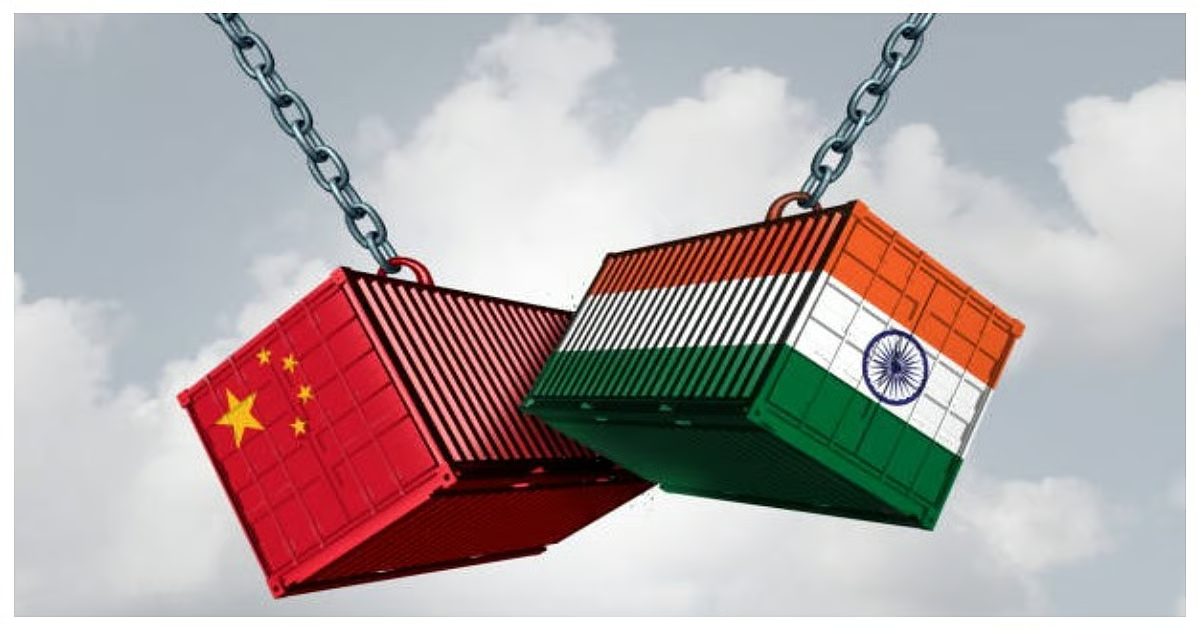
While the headline India-China Trade Hits $155 Billion highlights economic strength, strategic caution continues to shape the relationship. Both countries are aware of their competition in areas such as regional influence, technology, and security. As a result, engagement is being managed carefully.
Chinese officials have spoken about aligning development strategies to unlock further economic potential. From India’s perspective, there is a strong focus on reducing excessive dependence on imports and encouraging domestic manufacturing under initiatives like Make in India.
The emphasis for both sides is on stability and predictability. Confidence-building measures, regular dialogue, and clear communication are seen as essential to maintaining trade growth without ignoring strategic concerns.
What the Trade Milestone Means Going Forward
The record trade figure of USD 155.6 billion in 2025 stands as a reminder that economic realities often push countries toward cooperation, even when political relations are complex. For India, the challenge lies in boosting exports and narrowing the trade gap. For China, maintaining access to one of the world’s fastest-growing markets remains a strong incentive.
As global economic conditions evolve, India–China trade will continue to be shaped by a mix of opportunity and caution. The current phase suggests that while deep trust may take time to rebuild, practical economic engagement is likely to remain a central feature of the relationship.