


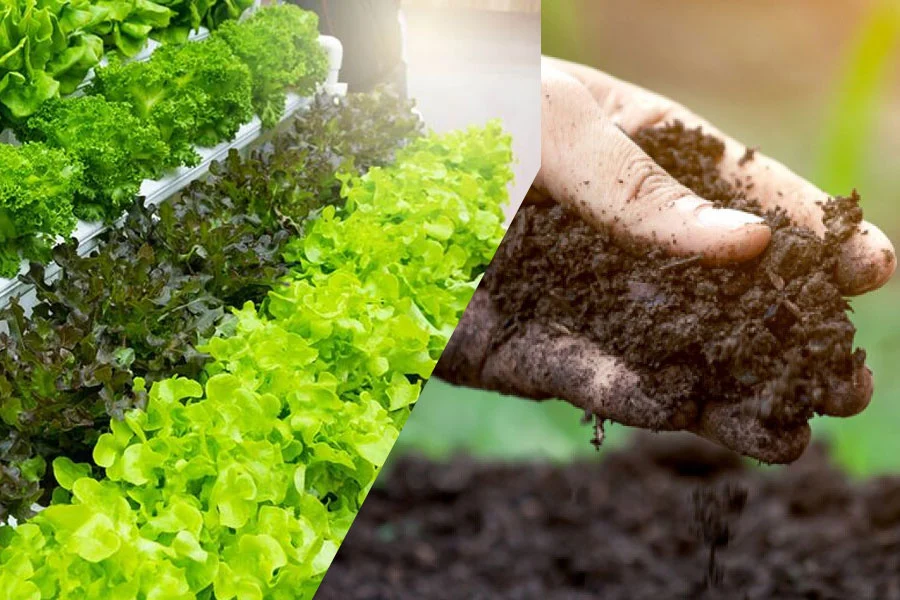
Soilless Farming Techniques: Modern Farming Without Soil

Soilless Farming Techniques are modern methods of growing plants without using soil. Instead of soil, plants grow with the help of water, air, nutrients, and special growing materials. These techniques are becoming popular because traditional farming is facing many problems such as less farmland, water shortage, pollution, and climate change.
Thank you for reading this post, don't forget to subscribe!Agriculture is the backbone of many countries, especially India. But as cities grow bigger and population increases, farming land is decreasing. Experts say that global food production must increase by nearly 60% by 2050 to feed the rising population. This means farmers need smarter and more efficient ways to grow food.
Soilless farming offers a strong solution. It helps farmers produce more food using less land and less water. It is especially useful in cities, dry areas, and places where soil quality is poor.
Why Soilless Farming is Needed
1. Growing Population and Food Demand
The world population is increasing every year. More people means more demand for food. Traditional farming alone may not be enough to meet future food needs.
2. Less Agricultural Land
Due to urbanization, roads, factories, and buildings are taking over farmland. Good agricultural land is shrinking rapidly.
3. Water Shortage
Farming uses a large amount of freshwater. In many places, water resources are becoming limited. Soilless farming uses water more efficiently.
4. Climate Change
Heat waves, floods, droughts, and irregular rainfall are affecting crop production. Controlled farming systems reduce these risks.
5. Poor Soil Quality
In some areas, soil has become polluted or infertile because of chemical use and industrial waste. Soilless methods can grow crops even in such places.
Main Types of Soilless Farming Techniques
There are three major types of soilless farming:
- Hydroponics
- Aeroponics
- Aquaponics
1. Hydroponics
What is Hydroponics?
Hydroponics is a farming method where plants grow in water mixed with nutrients instead of soil. The roots receive all essential minerals directly from nutrient-rich water.
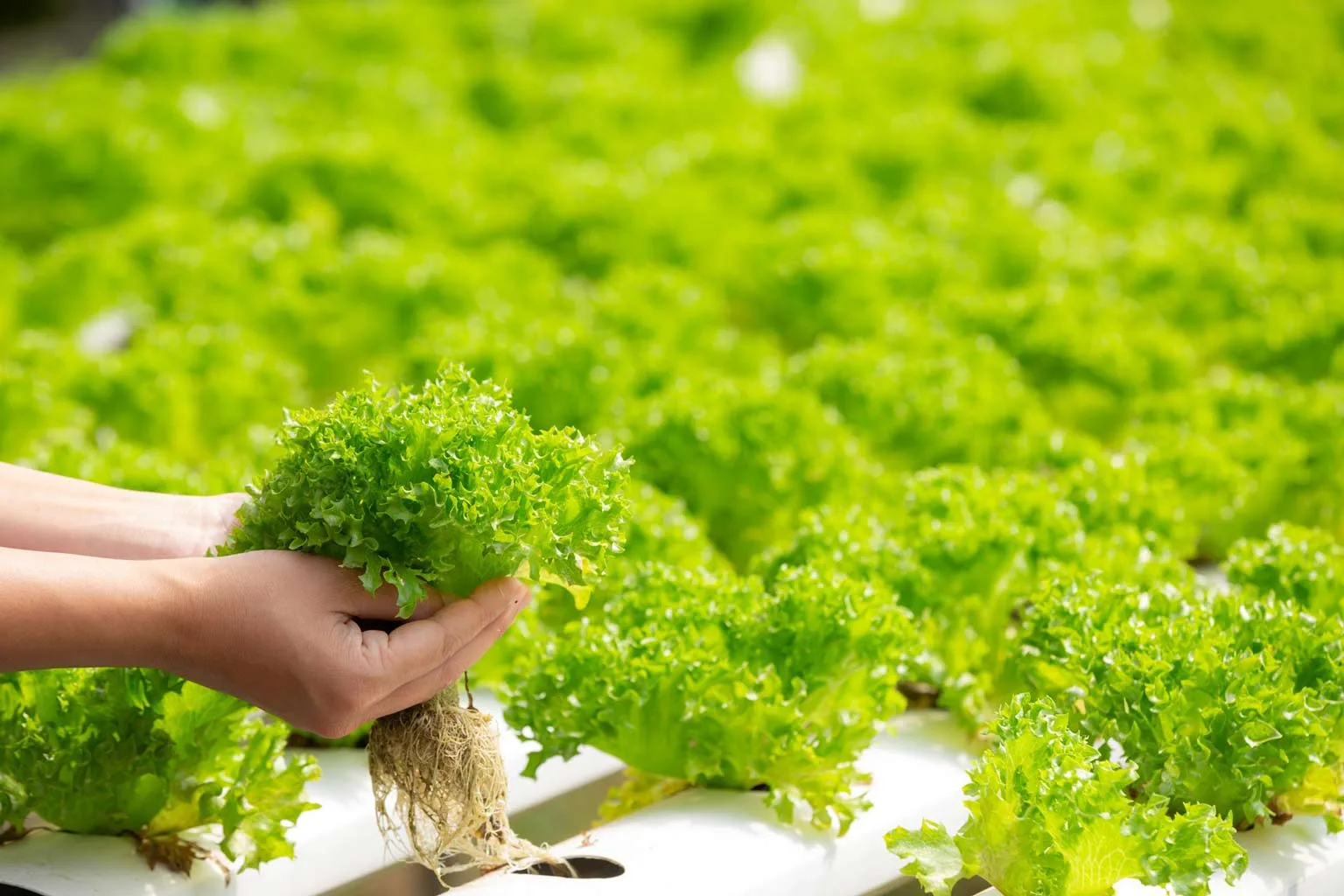
In this system, roots are supported by materials like:
- Perlite
- Clay pellets
- Peat moss
- Vermiculite
These materials help roots stay stable and allow oxygen flow.
Advantages of Hydroponics
1. Saves Land
Hydroponics can be done in small spaces. Plants can even be grown vertically, which increases production.
2. Saves Water
Water is reused in a closed system, so wastage is low compared to traditional farming.
3. Suitable for Cities
Hydroponic farming works well in urban and semi-urban areas where farmland is limited.
4. Higher Crop Yield
According to the Food and Agriculture Organization, hydroponic vegetable production can be 20–25% higher than normal farming because more plants can grow in less space.
5. Faster Growth
Plants grow faster because nutrients reach roots directly.
Drawbacks of Hydroponics
1. Needs Regular Monitoring
Water quality, pH level, and nutrient balance must be checked often.
2. Disease Can Spread Quickly
If harmful bacteria enter the water, many plants can be affected at once.
3. Depends on Electricity
Pumps and systems need continuous power. Power cuts can affect plant growth.
4. Initial Setup Cost
The starting cost can be high for small farmers.
2. Aeroponics
What is Aeroponics?
Aeroponics is an advanced farming system where plant roots hang in the air instead of staying in soil or water.
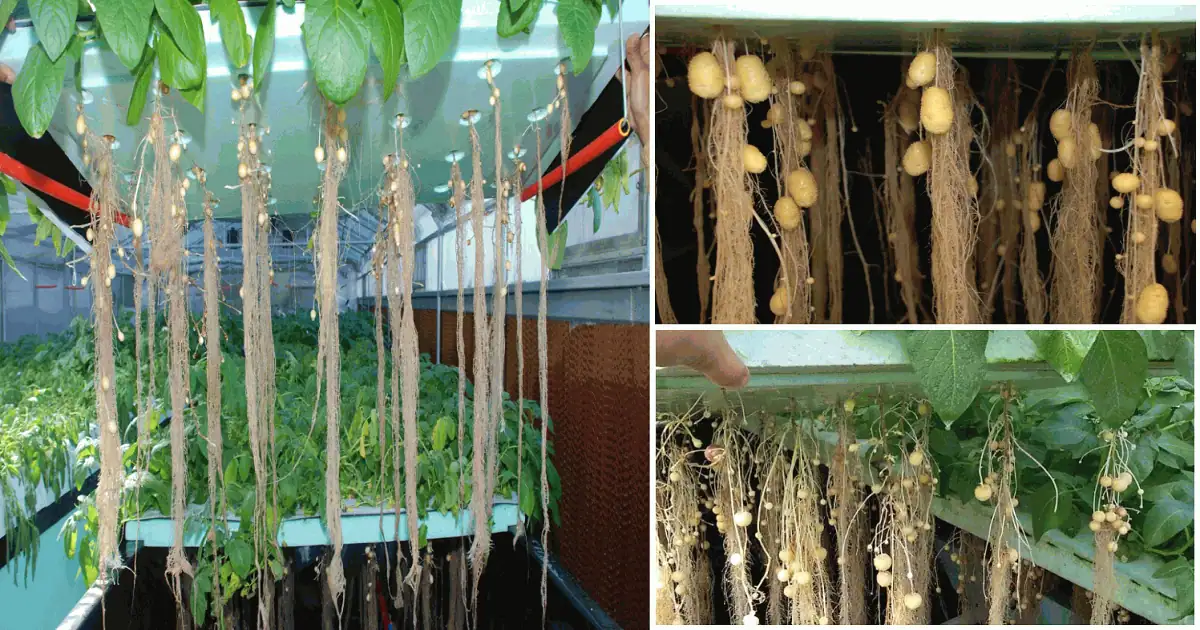
The roots are sprayed with nutrient-rich water mist at regular intervals. This provides both nutrients and oxygen.
Aeroponics is often used inside controlled environments like greenhouses.
How Aeroponics Works
In aeroponics:
- Plants are fixed in holders
- Roots remain suspended in air
- Nutrient solution is sprayed as mist
- Sensors monitor humidity, temperature, and pH
Because roots get plenty of oxygen, growth becomes faster.
Advantages of Aeroponics
1. Uses Very Little Water
Aeroponics can reduce water use by around 98%, which makes it highly efficient.
2. Less Fertilizer Needed
Fertilizer use may reduce by nearly 60%.
3. No Soil Diseases
Since no soil is used, many pests and diseases are naturally avoided.
4. Faster Harvest
Plants often grow much faster and can be harvested earlier than in traditional farming.
5. Protection from Climate Problems
Because farming happens indoors, crops stay safe from:
- Heavy rain
- Heat waves
- Locust attacks
- Strong winds
Drawbacks of Aeroponics
1. Very Expensive
Setting up aeroponics is costly. It may not be affordable for many farmers.
2. Technology Dependent
The system depends heavily on machines, sensors, pumps, and electricity.
3. Requires Skilled Knowledge
Farmers must understand:
- Nutrient mixing
- Water quality
- Root health
- Environmental control
Mistakes can damage crops quickly.
4. Constant Attention Needed
Even small problems can affect the entire system.
3. Aquaponics
What is Aquaponics?
Aquaponics combines two systems:
- Hydroponics (growing plants in water)
- Aquaculture (raising fish)
It creates a natural cycle where fish and plants help each other.
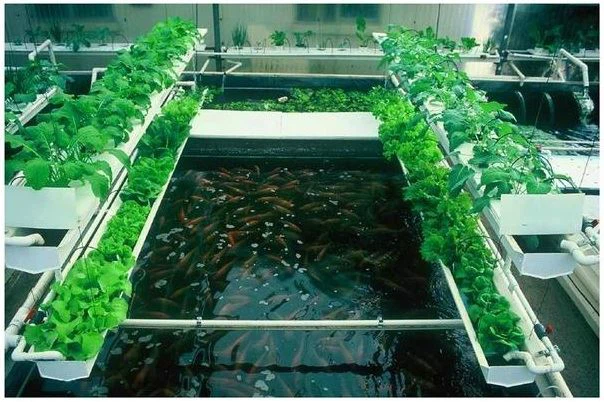
How Aquaponics Works
Aquaponics has three important parts:
- Fish
- Plants
- Bacteria
Here is the process:
- Fish produce waste
- Bacteria convert waste into nutrients
- Plants absorb these nutrients
- Clean water returns to fish tanks
This creates a balanced ecosystem.
Advantages of Aquaponics
1. Produces Two Products
Farmers can produce both:
- Fish
- Vegetables
from one system.
2. Environment Friendly
Waste from fish becomes fertilizer instead of polluting water bodies.
3. Natural Fertilizer
Fish waste acts as organic fertilizer for plants.
4. Huge Water Savings
Aquaponics can save around 80–90% water compared to normal farming.
5. Space Efficient
Systems can be small like home tanks or large like commercial greenhouses.
Drawbacks of Aquaponics
1. Complex System
Both fish and plants need ideal conditions. Managing both together is challenging.
2. Limited Crop Choice
Some crops such as root vegetables and tuber plants do not grow well.
Examples:
- Potato
- Carrot
- Radish
These crops usually need soil.
3. Multiple Failure Risks
Problems may occur if:
- Fish become sick
- Water quality changes
- Bacteria balance is disturbed
- Plants get infected
Comparison of Soilless Farming Techniques
| Technique | Main Medium | Major Benefit | Main Problem |
|---|---|---|---|
| Hydroponics | Nutrient-rich water | High yield | Needs monitoring |
| Aeroponics | Air + nutrient mist | Very low water use | Very expensive |
| Aquaponics | Fish-water ecosystem | Fish + vegetables together | Complex system |
Benefits of Soilless Farming in India
India faces major agricultural challenges such as shrinking farmland and water scarcity. Soilless farming can help solve many of these problems.
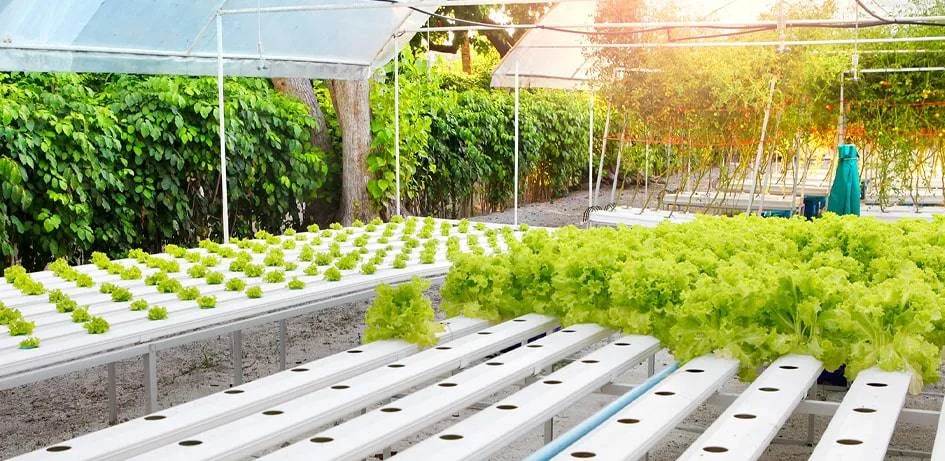
Key Benefits for India
- Better use of small land areas
- Farming possible in cities
- Less water consumption
- Reduced pesticide use
- Higher productivity
- Climate-resilient farming
States with water shortage or poor soil can especially benefit from these techniques.
Future of Soilless Farming
The future of agriculture may include more controlled farming systems. Soilless farming can improve food security and reduce pressure on natural resources.
Government support can help by:
- Providing subsidies
- Offering training programs
- Supporting research
- Making technology affordable
Farmers need proper education and practical training before adopting these systems.
Role of Schools and Students
Schools can also promote soilless farming. Small hydroponic or aquaponic systems can be used in science projects.
Students can learn practical knowledge in:
- Mathematics
- Biology
- Chemistry
- Engineering
This helps young learners understand modern agriculture.
Final Thoughts
Soilless Farming Techniques are changing the future of agriculture. Hydroponics, aeroponics, and aquaponics offer new ways to grow food with less land and less water. Although these systems need investment and technical knowledge, they can play a major role in building sustainable farming for the future.
As population rises and resources become limited, modern farming methods like these will become increasingly important.
FAQs
Q1. What are soilless farming techniques?
Soilless farming techniques are methods of growing plants without soil using water, air, and nutrients.
Q2. What are the main types of soilless farming?
The three main types are Hydroponics, Aeroponics, and Aquaponics.
Q3. Which soilless farming method saves the most water?
Aeroponics saves the most water, using up to 98% less water than traditional farming.
Q4. Is soilless farming good for India?
Yes, it is very useful for India because it saves land and water while increasing food production.
Q5. Can soilless farming be done at home?
Yes, small hydroponic and aquaponic systems can be installed at home.