


Right to Education: A Fundamental Right for Every Child

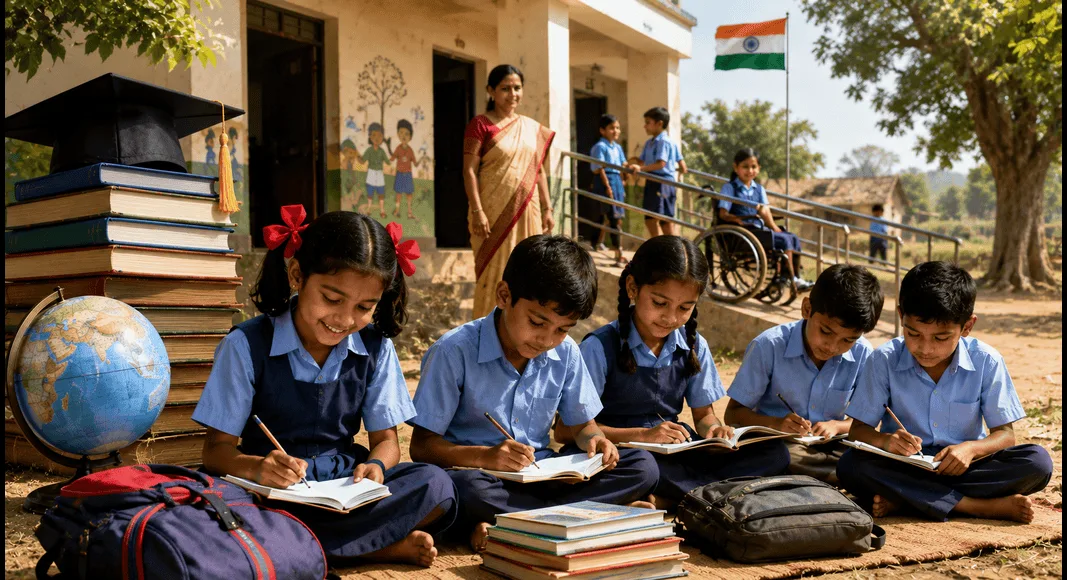
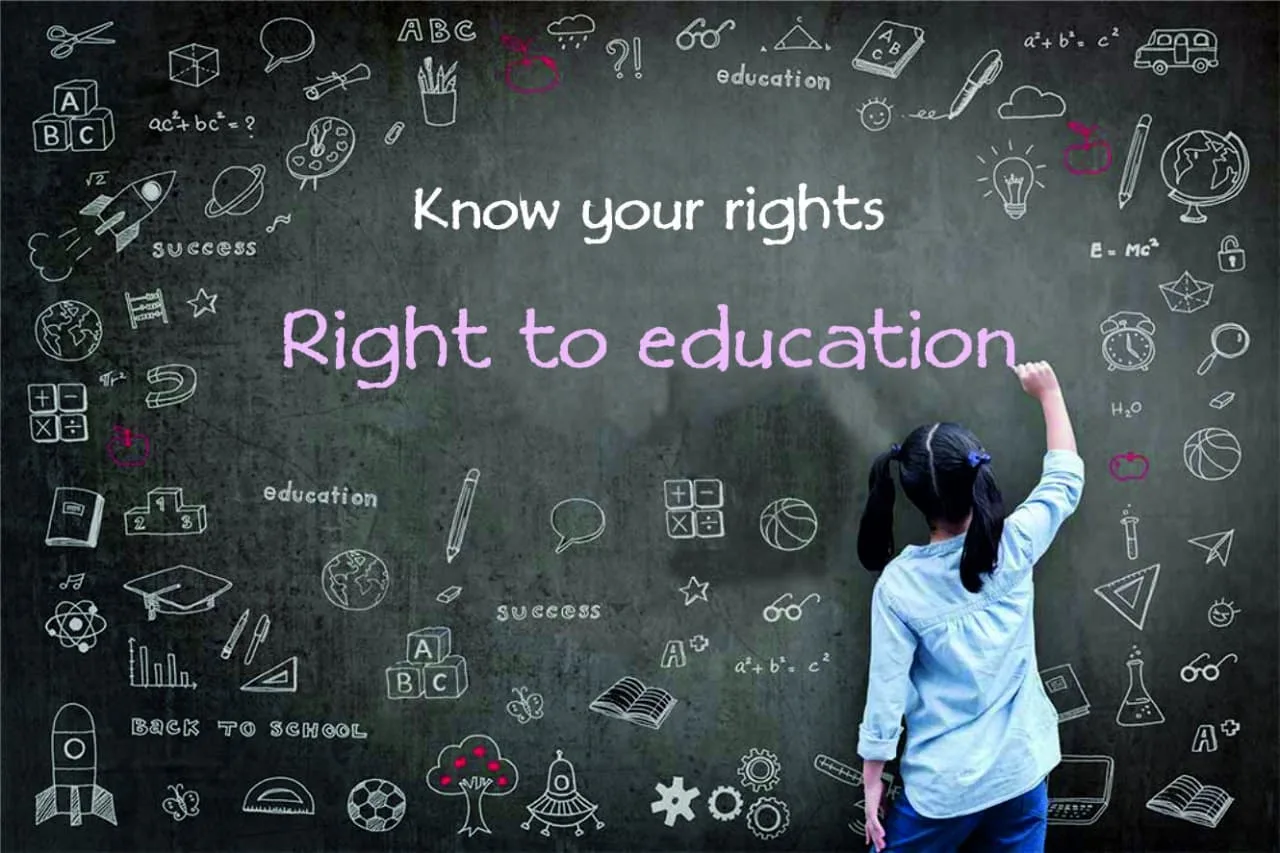
Right to Education is one of the most important rights guaranteed to children in India. Education helps individuals gain knowledge, develop skills, and build a better future. It also plays a key role in the progress of society and the nation. To ensure that every child gets access to education, the Government of India introduced the Right to Education (RTE) Act, 2009. This law made elementary education a fundamental right for children between the ages of 6 and 14 years.
Thank you for reading this post, don't forget to subscribe!The Right to Education Act is considered a landmark step in India’s educational journey. It aims to provide free and compulsory education to all children, regardless of their social, economic, or cultural background. Over the years, the Act has improved school enrollment and educational access, but several challenges still remain.
What is Right to Education?
The Right to Education (RTE) refers to the legal right of every child to receive free and compulsory education. This right is guaranteed under Article 21A of the Indian Constitution.
The RTE Act, 2009 ensures that children aged 6 to 14 years receive free elementary education in a neighborhood school. The government bears the cost of education so that no child is deprived of schooling due to financial difficulties.
The main purpose of the Act is to create an equal opportunity for all children and reduce educational inequalities in society.
Why is Right to Education Important?
Education is the foundation of personal and national development. A child who receives proper education is more likely to become a responsible citizen and contribute positively to society.
The Right to Education is important because:
- It guarantees education as a legal right.
- It helps reduce poverty and social inequality.
- It promotes literacy and skill development.
- It empowers children from disadvantaged backgrounds.
- It supports social justice and equality.
- It helps India utilize its young population effectively.
Education is not just about reading and writing. It also helps children develop critical thinking, confidence, creativity, and moral values.
Constitutional Background of Right to Education
The idea of providing education to all children existed even before the RTE Act was passed.
Directive Principles of State Policy
Originally, the Constitution included educational provisions under the Directive Principles of State Policy (DPSP).
- Article 45 directed the State to provide free and compulsory education to children.
- Article 39(f) emphasized the protection and development of children.
Although these provisions were not legally enforceable, they guided the government in developing educational policies.
Ramamurti Committee Report (1990)
The Ramamurti Committee was one of the first official bodies to strongly recommend education as a right for all children.
Unnikrishnan Judgment (1993)
In the famous Unnikrishnan J.P. vs State of Andhra Pradesh case, the Supreme Court ruled that education is a fundamental right derived from Article 21, which guarantees the right to life.
This judgment became a turning point in India’s educational reforms.
Tapas Majumdar Committee (1999)
The committee examined the financial requirements needed to make education a fundamental right.
86th Constitutional Amendment Act, 2002
A major step was taken in 2002 when the Constitution was amended.
The amendment:
- Inserted Article 21A.
- Made education a fundamental right for children aged 6 to 14 years.
- Added a duty for parents to provide educational opportunities to their children.
Right to Education Act, 2009
To implement Article 21A, Parliament passed the Right of Children to Free and Compulsory Education Act, 2009, which came into force on 1 April 2010.
This made India one of the few countries where education became a legally enforceable fundamental right.
Key Features of the Right to Education Act, 2009
The RTE Act contains several provisions aimed at making education accessible and inclusive.
1. Free and Compulsory Education
Every child between 6 and 14 years of age has the right to receive free education.
No child can be denied admission because of financial limitations.
2. Education as a Fundamental Right
The Act gives legal protection to the right to education under Article 21A.
3. 25% Reservation in Private Schools
Private unaided schools must reserve 25% of seats at the entry level for children from economically weaker and disadvantaged sections.
These groups include:
- Scheduled Castes (SCs)
- Scheduled Tribes (STs)
- Socially backward communities
- Children with disabilities
- Economically weaker families
This provision promotes social inclusion and equal opportunities.
4. Admission to Age-Appropriate Classes
Children who have never attended school or have dropped out must be admitted to classes suitable for their age.
Special training is provided to help them catch up academically.
5. Shared Responsibility
The Central and State Governments share responsibility for implementing the Act.
They provide funding, infrastructure, teachers, and educational resources.
6. School Infrastructure Standards
The Act lays down minimum standards for schools regarding:
- Classrooms
- Drinking water facilities
- Toilets
- Playground facilities
- Boundary walls
- Libraries
Schools failing to meet these standards must improve within a specified period.
7. Pupil-Teacher Ratio
The Act specifies the ideal number of students per teacher to ensure effective learning.
This helps maintain quality education and personal attention.
8. Teacher Qualifications
Only qualified teachers with proper educational credentials can be appointed.
Teachers are expected to undergo training and maintain professional standards.
9. Child-Friendly Education
The Act encourages learning environments that are free from fear and pressure.
Teaching methods should focus on understanding and participation rather than rote learning.
10. Protection of Children’s Rights
The Act prohibits:
- Physical punishment
- Mental harassment
- Capitation fees
- Screening tests for admission
- Private tuition by teachers
- Running schools without recognition
These provisions safeguard children’s dignity and well-being.
No Detention Policy
One of the major features of the RTE Act was the No Detention Policy.
What Was the No Detention Policy?
Introduced in 2010 under Continuous and Comprehensive Evaluation (CCE), this policy ensured that students up to Class 8 could not be failed or detained.
Students were automatically promoted to the next class regardless of examination results.
Objective
The policy aimed to:
- Reduce fear of examinations.
- Prevent school dropouts.
- Encourage child-friendly learning.
Criticism
Many educators argued that automatic promotion reduced academic accountability.
Students often moved to higher classes without mastering basic concepts.
RTE Amendment Act, 2019
The policy was later modified through the Right of Children to Free and Compulsory Education (Amendment) Act, 2019.
States were given the authority to conduct examinations and decide promotion policies.
Achievements of the Right to Education Act
The RTE Act has produced several positive outcomes since its implementation.
Increased School Enrollment
Millions of children who were previously out of school have now gained access to education.
Enrollment rates at primary and upper primary levels have improved significantly.
Better School Infrastructure
Many schools have improved their facilities, including:
- Classrooms
- Toilets
- Drinking water
- Libraries
This has especially benefited rural areas.
Inclusive Education
Children from disadvantaged backgrounds now have greater access to educational opportunities.
The 25% reservation policy has helped many underprivileged children enter private schools.
Improved Awareness
Parents have become more aware of their children’s educational rights.
Strengthened Educational Programs
Government initiatives such as Samagra Shiksha Abhiyan have further supported school education.
This integrated scheme combines:
- Sarva Shiksha Abhiyan (SSA)
- Rashtriya Madhyamik Shiksha Abhiyan (RMSA)
- Teacher Education Programs
Limitations of the Right to Education Act
Despite its achievements, the Act faces several challenges.
Limited Age Coverage
The Act covers only children aged 6 to 14 years.
Children below 6 years and above 14 years are excluded.
Many experts believe the age group should be expanded from 0 to 18 years.
Focus on Enrollment Rather Than Learning
The Act successfully increased enrollment, but learning outcomes remain a concern.
Several surveys have shown that many students struggle with basic reading and mathematics skills.
Teacher Shortage
Many schools continue to face shortages of qualified teachers.
This affects student learning and classroom effectiveness.
Uneven Implementation
Implementation varies significantly across states.
Some states have not fully enforced the 25% reservation provision.
Quality Concerns
Infrastructure improvements alone cannot guarantee quality education.
Teacher training and classroom teaching methods need greater attention.
Administrative Challenges
Monitoring and enforcing compliance remains difficult in many regions.
Challenges Facing Education in India
Several broader issues continue to affect educational development.
Economic Inequality
Children from poor families often face difficulties such as:
- Lack of study materials
- Transportation issues
- Family responsibilities
Rural-Urban Gap
Educational facilities are generally better in urban areas than in rural regions.
Digital Divide
Access to technology remains unequal.
Many students lack internet connectivity and digital devices.
Dropout Rates
Some children still leave school due to financial pressures, child labor, or social issues.
Learning Gaps
Students often advance through grades without developing strong foundational skills.
Steps Needed to Strengthen the Right to Education
To achieve the full objectives of the Act, several improvements are necessary.
Expand Age Coverage
The RTE framework should include:
- Early childhood education (0–6 years)
- Secondary education (14–18 years)
Improve Teacher Training
Regular professional development programs can help teachers improve classroom performance.
Focus on Learning Outcomes
Schools should emphasize understanding and skill development rather than merely enrollment numbers.
Strengthen Infrastructure
Remaining gaps in school facilities should be addressed promptly.
Use Technology Effectively
Digital learning resources can improve access and quality, especially in remote areas.
Encourage Community Participation
Parents, local communities, and school management committees should actively support educational development.
Make Teaching Attractive
Better working conditions and incentives can encourage talented individuals to enter the teaching profession.
Role of Society in Education
The responsibility of educating children does not rest solely with the government.
Society also plays a major role.
Parents should:
- Encourage regular school attendance.
- Support learning at home.
- Promote equal education for boys and girls.
Communities should:
- Create a positive environment for education.
- Prevent child labor and child marriage.
- Support school development initiatives.
When society values education, children are more likely to succeed.
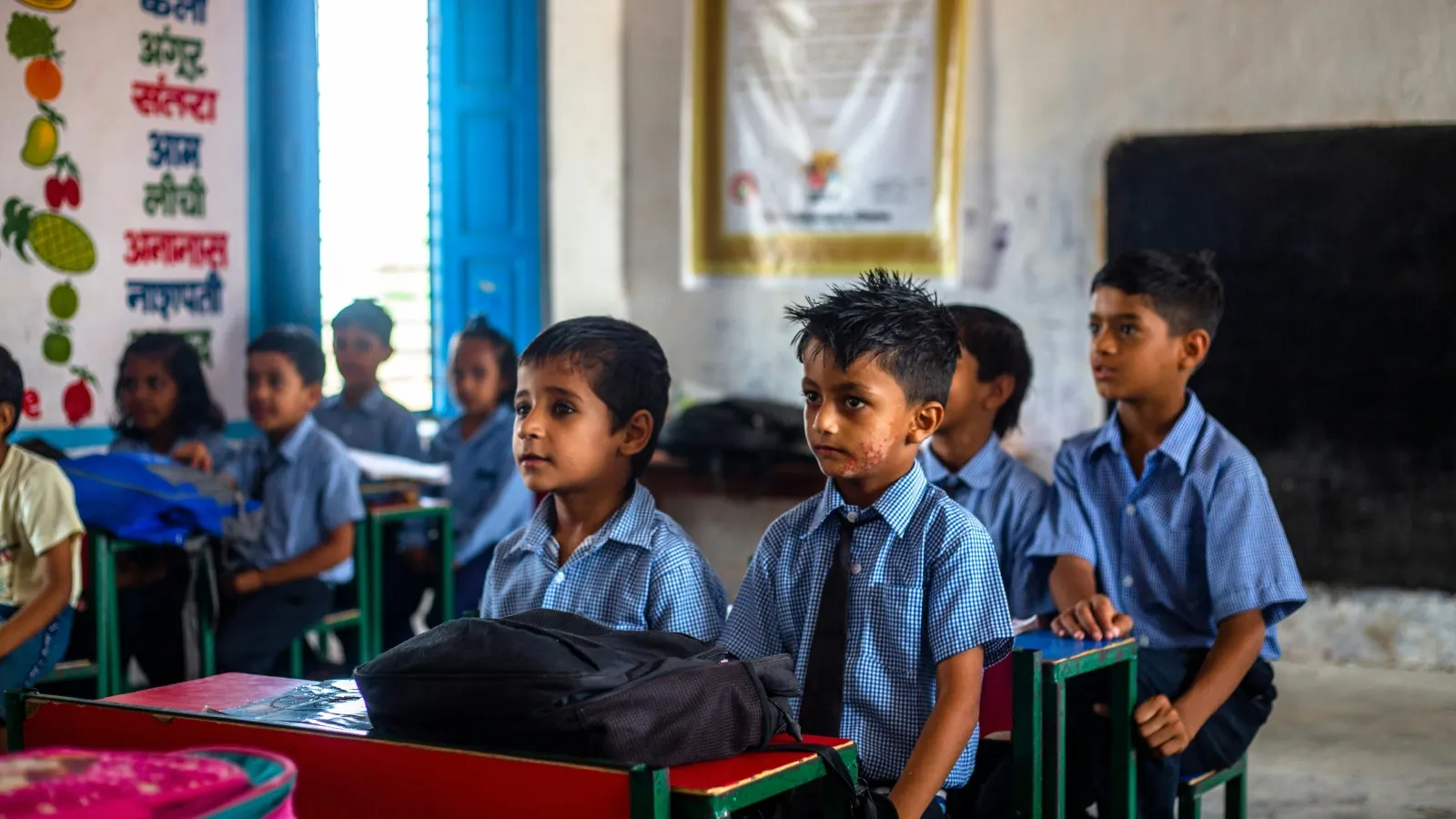
Importance of Right to Education for India’s Future
India has one of the world’s largest youth populations.
If these young people receive quality education, they can contribute significantly to economic growth and national development.
Education helps create:
- Skilled workers
- Responsible citizens
- Innovative thinkers
- Future leaders
The Right to Education is therefore not only a social policy but also an investment in India’s future.
Conclusion
The Right to Education Act, 2009 is one of the most important educational reforms in independent India. By making education a fundamental right, it has opened the doors of learning to millions of children across the country. The Act has improved school enrollment, strengthened educational infrastructure, and promoted inclusion of disadvantaged groups.
However, challenges such as poor learning outcomes, teacher shortages, unequal implementation, and limited age coverage still need attention. The future success of the Right to Education depends on improving the quality of education while ensuring that every child has equal opportunities to learn and grow.
Education remains the strongest tool for social transformation. A strong and effective Right to Education system can help India build an educated, skilled, and prosperous society for generations to come.
FAQs on Right to Education
1. What is the Right to Education (RTE)?
The Right to Education is a fundamental right that guarantees free and compulsory education for children aged 6 to 14 years in India under Article 21A of the Constitution.
2. When was the Right to Education Act implemented?
The Right to Education Act, 2009 came into force on 1 April 2010.
3. Which age group is covered under the RTE Act?
The Act covers all children between the ages of 6 and 14 years.
4. Which Constitutional Amendment introduced the Right to Education?
The 86th Constitutional Amendment Act, 2002 introduced Article 21A, making education a fundamental right.
5. What is the 25% reservation provision under the RTE Act?
Private unaided schools must reserve 25% of seats at the entry level for children from economically weaker and disadvantaged sections.
6. What are the main objectives of the RTE Act?
The Act aims to provide free, compulsory, equitable, and quality elementary education to every child.
7. What types of practices are prohibited under the RTE Act?
The Act prohibits physical punishment, mental harassment, capitation fees, screening tests for admission, and private tuition by teachers.
8. What was the No Detention Policy?
It was a policy that automatically promoted students up to Class 8 without failing them. It was later modified through the RTE Amendment Act, 2019.
9. What is the role of teachers under the RTE Act?
Teachers must maintain proper pupil-teacher ratios, complete the curriculum on time, and create a child-friendly learning environment.
10. What are the major challenges faced by the RTE Act?
Major challenges include teacher shortages, uneven quality of education, inadequate infrastructure in some schools, and limited coverage beyond the 6-14 age group.