

Inequality in India: Causes, Effects, Challenges and Solutions

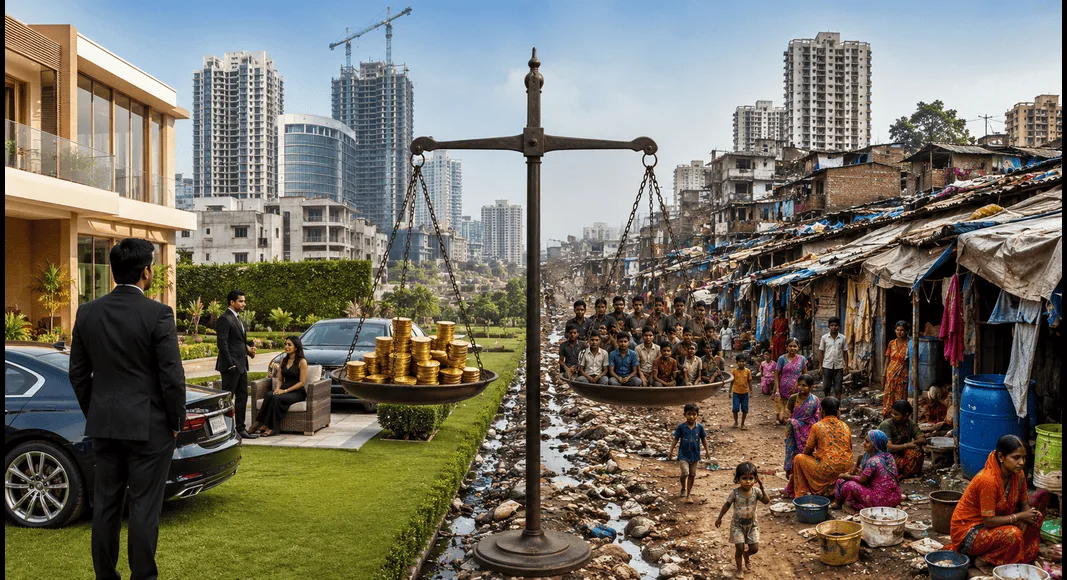
Inequality in India is one of the biggest challenges facing the country today. India has made remarkable progress in economic growth, technology, education, and infrastructure since independence. However, the benefits of development have not reached everyone equally. While some people have become very rich, many others still struggle with poverty, unemployment, lack of education, poor healthcare, and social discrimination.
Thank you for reading this post, don't forget to subscribe!Inequality means a situation where people do not have equal access to opportunities, resources, rights, and benefits. It affects individuals and groups differently based on income, gender, caste, religion, ethnicity, education, and geographical location.
The issue gained attention when Oxfam International released its report titled “Public Good or Private Wealth?” which highlighted the growing gap between the rich and the poor in India. The report showed that a large share of the country’s wealth is concentrated in the hands of a small number of people, while millions continue to live with limited resources.
Reducing inequality is important for achieving social justice, economic development, and national unity. A society with less inequality is generally more stable, productive, and peaceful.
What is Inequality?
The United Nations defines inequality as the condition in which people are not equal in terms of status, rights, opportunities, or access to resources.
In simple words, inequality occurs when some people enjoy more benefits, wealth, and opportunities than others.
Inequality can be seen in many forms, including differences in income, education, healthcare, employment, social status, and political participation.
Types of Inequality
Inequality can broadly be divided into two categories:
1. Economic Inequality
Economic inequality refers to the unequal distribution of income, wealth, and economic opportunities among individuals or groups.
Examples include:
- Some people earn very high salaries while others struggle to meet basic needs.
- Wealth is concentrated among a small percentage of the population.
- Access to quality education and healthcare often depends on financial status.
2. Social Inequality
Social inequality occurs when people are treated differently based on social characteristics such as:
- Gender
- Caste
- Religion
- Ethnicity
- Race
- Language
- Social background
These differences affect access to resources, opportunities, and social recognition.
Relationship Between Economic and Social Inequality
Economic and social inequalities are closely connected.
For example:
- Women often receive lower wages than men.
- Lower caste groups may face barriers in education and employment.
- Religious minorities may experience discrimination in economic opportunities.
As a result, one form of inequality often strengthens another.
A poor child from a disadvantaged social group may face multiple barriers throughout life, making it difficult to improve their economic condition.
Dimensions of Inequality in India
India experiences several forms of inequality. Some of the most important dimensions are discussed below.
Gender Inequality
Gender inequality refers to unequal treatment and opportunities for men and women.
Although women make up nearly half of India’s population, they continue to face challenges in education, employment, healthcare, and political participation.
Areas of Gender Inequality
Economic Participation
Women often receive lower wages than men for similar work.
Many women work in informal sectors where wages are low and job security is limited.
Education
Although literacy rates among women have improved, educational opportunities remain unequal in many regions.
Girls are more likely to drop out of school due to poverty, early marriage, or family responsibilities.
Health
Women often face nutritional deficiencies and limited access to healthcare services.
Maternal mortality remains a concern in some parts of the country.
Political Representation
Women’s representation in political institutions remains lower than men despite recent improvements.
Land Ownership
A large percentage of women work in agriculture, but very few own agricultural land.
This limits their economic independence and decision-making power.
Caste-Based Inequality
Caste remains a major source of inequality in India.
Historically disadvantaged communities have faced social exclusion, discrimination, and limited access to opportunities.
Impact of Caste Inequality
- Unequal access to education.
- Limited employment opportunities.
- Social discrimination.
- Lower income levels.
- Poor healthcare outcomes.
Although constitutional protections and reservation policies have improved conditions, caste-based inequalities still exist in many areas.
Religious Inequality
Religion also influences access to resources and opportunities.
Some religious communities enjoy better educational and economic conditions, while others face disadvantages.
Challenges Faced by Religious Minorities
- Limited employment opportunities.
- Educational disadvantages.
- Social prejudice.
- Reduced access to institutional credit.
Such inequalities affect social harmony and economic growth.
Ethnic and Tribal Inequality
India is home to many tribal communities with unique cultures and traditions.
Many tribal populations live in remote areas and face challenges such as:
- Poor infrastructure.
- Limited healthcare.
- Lack of quality education.
- Lower employment opportunities.
Development projects sometimes displace tribal communities from their traditional lands, further increasing their vulnerability.
Regional Inequality
Development is not evenly distributed across India’s states and regions.
Some states have achieved higher economic growth and better social indicators, while others continue to lag behind.
Examples
States with strong industrial and service sectors often enjoy:
- Better education.
- Better healthcare.
- Higher incomes.
- More employment opportunities.
Meanwhile, economically weaker regions struggle with poverty and underdevelopment.
Economic Inequality in India
Economic inequality has become one of the most discussed issues in India.
Reports show that a significant portion of the country’s wealth is controlled by a small percentage of the population.
Major Features of Economic Inequality
- Wealth concentration among the rich.
- Income gap between urban and rural populations.
- Unequal access to education and healthcare.
- Limited opportunities for poor households.
Wealth Concentration
A small percentage of Indians own a very large share of national wealth.
Meanwhile, millions of people continue to live with limited income and debt burdens.
This creates a large gap between the rich and poor.
Causes of Inequality in India
Several factors contribute to inequality.
Historical Factors
Colonial policies and traditional social structures created unequal distribution of resources and opportunities.
These inequalities continued even after independence.
Unequal Access to Education
Education is one of the most important tools for social mobility.
However, many children from poor families lack access to quality schools, teachers, and learning resources.
As a result, they find it difficult to secure good jobs later in life.
Unemployment and Underemployment
Many people do not have stable employment opportunities.
Low-paying jobs and irregular income contribute to economic inequality.
Rapid Urbanization
Cities attract investment and jobs, while rural areas often remain underdeveloped.
This creates a gap between urban and rural populations.
Technological Changes
Modern technology increases productivity but often benefits highly skilled workers more than low-skilled workers.
This can widen income differences.
Discrimination
Discrimination based on gender, caste, religion, or ethnicity continues to limit opportunities for many individuals.
Unequal Distribution of Assets
Ownership of land, property, and financial assets remains highly concentrated.
People without assets often find it difficult to improve their economic condition.
Consequences of Inequality
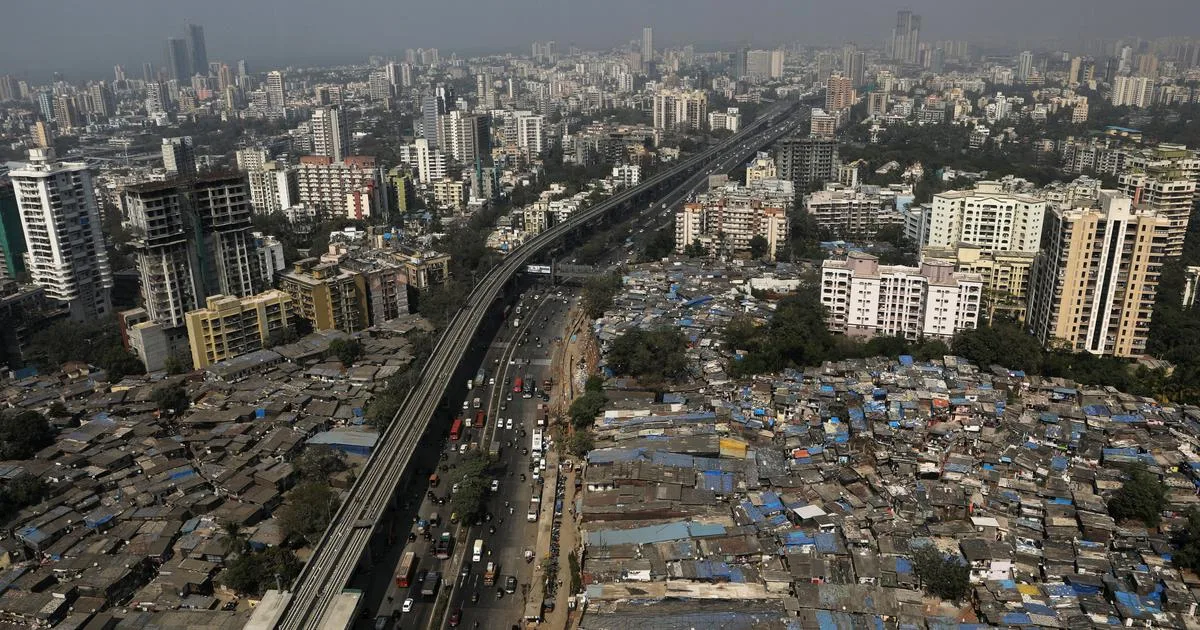
Inequality affects society in many ways.
Social Conflicts
Large inequalities can create dissatisfaction and tensions among different groups.
Competition for jobs, resources, and opportunities may lead to social unrest.
Poverty
High inequality often keeps large sections of the population trapped in poverty.
Poor families may struggle to afford:
- Education
- Healthcare
- Nutrition
- Housing
Poor Health Outcomes
People with lower incomes often have limited access to healthcare.
This leads to:
- Higher disease burden.
- Malnutrition.
- Lower life expectancy.
Educational Gaps
Children from poor households may not receive quality education.
This limits their future opportunities and continues the cycle of poverty.
Lower Economic Growth
When a large portion of the population lacks purchasing power, overall economic growth may slow down.
Greater equality can increase productivity and consumer demand.
Political Instability
Extreme inequality can reduce trust in institutions and create political tensions.
People may feel excluded from the development process.
Reduced Social Mobility
In highly unequal societies, individuals find it difficult to improve their social and economic position.
Opportunities become concentrated among privileged groups.
Constitutional Provisions to Reduce Inequality
The Constitution of India promotes equality and social justice.
Several constitutional provisions aim to reduce inequality.
Article 14
Guarantees equality before the law and equal protection of laws.
Article 15
Prohibits discrimination based on religion, race, caste, sex, or place of birth.
Article 16
Provides equal opportunities in public employment.
Directive Principles
The Directive Principles encourage the state to reduce inequalities and promote welfare.
Government Measures to Reduce Inequality
The government has introduced several policies and programs.
Reservation Policies
Reservation provides opportunities in education and employment for socially disadvantaged groups.
Poverty Alleviation Programs
Various schemes aim to improve living standards and create employment opportunities.
Examples include:
- Rural employment programs.
- Housing schemes.
- Food security programs.
Education Initiatives
Government programs promote universal education and reduce school dropout rates.
These initiatives help children from disadvantaged backgrounds.
Healthcare Programs
Public healthcare programs improve access to medical services for low-income families.
Financial Inclusion
Schemes promoting bank accounts, digital payments, insurance, and credit access help economically weaker sections.
Women Empowerment Programs
Various initiatives support women through:
- Education.
- Employment opportunities.
- Skill development.
- Entrepreneurship.
Role of Civil Society in Reducing Inequality
Civil society organizations play an important role by:
- Raising awareness.
- Supporting marginalized groups.
- Monitoring government programs.
- Promoting social justice.
They help ensure that development benefits reach all sections of society.
Importance of Employment Generation
Employment is one of the most effective ways to reduce inequality.
Creating jobs in sectors such as:
- Manufacturing
- Agriculture
- Construction
- Services
can improve incomes and reduce poverty.
Labour-intensive industries have the potential to provide employment to millions of people.
Importance of Quality Education
Quality education helps people acquire skills and knowledge.
It improves employment opportunities and increases income levels.
Investment in education is essential for reducing long-term inequality.
Importance of Public Healthcare
Affordable and accessible healthcare improves productivity and quality of life.
Strong public healthcare systems reduce the financial burden on poor families.
Progressive Taxation
Progressive taxation means higher-income individuals pay a larger share of taxes.
This helps governments generate resources for welfare programs and public services.
Fair taxation can reduce income disparities.
Women’s Empowerment and Equality
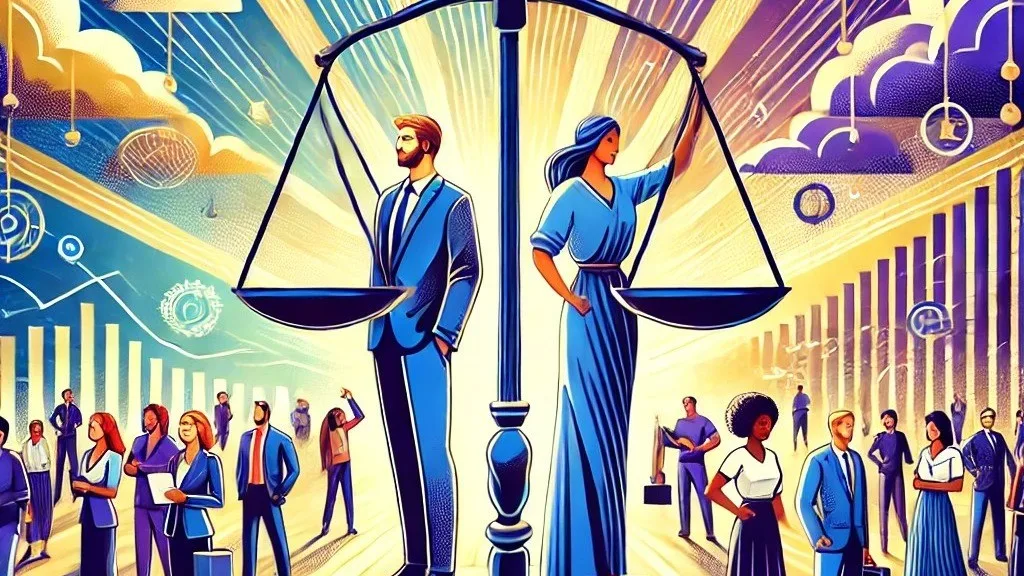
Women’s empowerment is critical for reducing inequality.
Important measures include:
- Equal wages for equal work.
- Access to education.
- Property rights.
- Political participation.
- Protection from discrimination.
When women are empowered, families and communities benefit as well.
Inclusion of Religious and Social Minorities
Minority communities should have equal opportunities in:
- Education.
- Employment.
- Entrepreneurship.
- Government services.
Inclusive policies strengthen national unity and economic growth.
Sustainable Development Goals and Inequality
India has committed to achieving the Sustainable Development Goals (SDGs) by 2030.
One of the key goals is reducing inequality within and among countries.
Achieving this goal requires:
- Inclusive growth.
- Better public services.
- Equal opportunities.
- Social justice.
Conclusion
Inequality in India remains one of the most significant challenges to inclusive development. Economic growth alone is not enough if its benefits are concentrated among a small section of society. Gender discrimination, caste barriers, religious exclusion, regional disparities, and unequal access to education and healthcare continue to affect millions of people.
Reducing inequality requires strong government policies, quality education, employment generation, healthcare access, women’s empowerment, financial inclusion, and social justice. Civil society, private institutions, and citizens must also contribute to building a more equal society.
A nation can achieve sustainable and inclusive development only when every individual has equal opportunities to grow and succeed. By reducing inequality, India can move closer to its goal of eliminating poverty, promoting social harmony, and ensuring a better future for all citizens.
FAQs on Inequality in India
1. What is inequality in India?
Inequality in India refers to the unequal distribution of wealth, income, opportunities, rights, and resources among different groups of people.
2. What are the main types of inequality in India?
The main types are economic inequality and social inequality, including gender, caste, religious, and regional inequalities.
3. What is economic inequality?
Economic inequality is the unequal distribution of income, wealth, and economic opportunities among individuals or groups.
4. How does gender inequality affect Indian society?
Gender inequality limits women’s access to education, employment, healthcare, property ownership, and leadership positions.
5. Why is caste inequality still a challenge in India?
Historical discrimination and unequal access to resources continue to affect education, employment, and social mobility for many caste groups.
6. What is the Gini Coefficient?
The Gini Coefficient is a measure used to calculate income or wealth inequality within a country.
7. How does inequality affect economic growth?
High inequality reduces opportunities for large sections of the population and can slow overall economic development.
8. What role does education play in reducing inequality?
Quality education provides skills and opportunities that help people improve their social and economic status.
9. How can the government reduce inequality?
The government can reduce inequality through welfare schemes, quality education, healthcare, employment generation, and social justice policies.
10. Why is reducing inequality important for India?
Reducing inequality promotes social harmony, economic growth, poverty reduction, and inclusive development.