



Mail Ballot Restrictions Blocked by Supreme Court

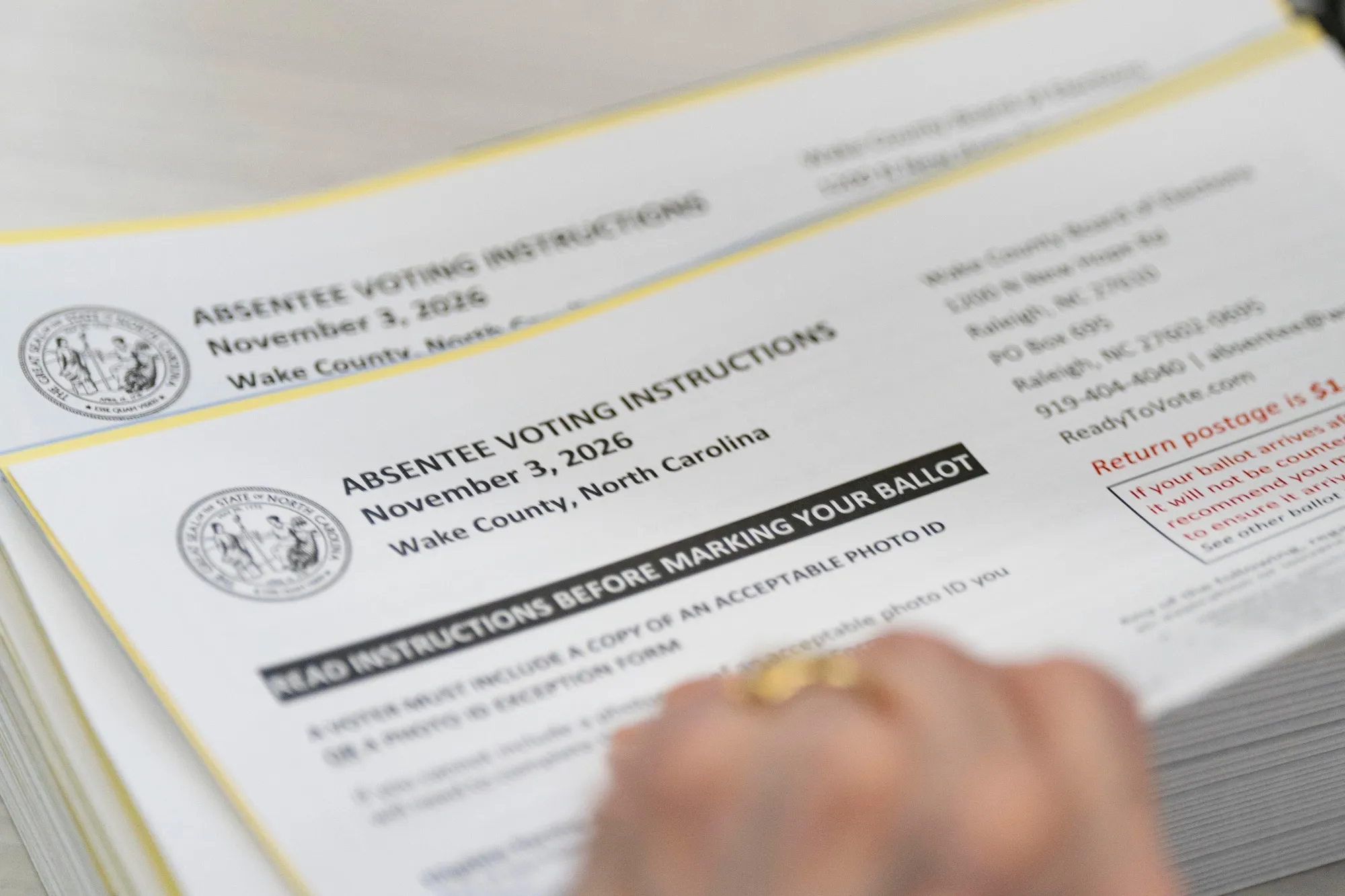
Mail Ballot restrictions backed by U.S. President Donald Trump have been blocked by the U.S. Supreme Court for now, allowing states to continue using their existing voting-by-mail procedures for the 2026 midterm elections. The court’s decision on September 14, 2026, came after a series of legal challenges over a proposed federal system that would have introduced new requirements for mail voting just weeks before voters head to the polls.
The decision means states can continue sending mail ballots to eligible voters under the procedures they have used in previous elections. The issue is significant because nearly one-third of U.S. voters use mail voting, making any major change to the system potentially important for the November elections.

Supreme Court Blocks New Restrictions
The Supreme Court rejected the Trump administration’s request to allow the new Mail Ballot restrictions to take effect before the 2026 midterm elections.
The court issued a brief order in which Justices Samuel Alito and Clarence Thomas dissented. Justice Brett Kavanaugh agreed that the restrictions should not be implemented for the upcoming midterms but suggested that he could take a different position on the administration’s arguments at a later stage.
The ruling keeps the existing mail voting system in place while the broader legal dispute continues.
For voters and election officials, the immediate effect is that states do not have to make a last-minute change to the way mail ballots are prepared, distributed and returned.
Why the Case Matters
The Mail Ballot case has become an important legal and political issue ahead of the November 2026 elections.
The midterm elections will determine control of the U.S. Congress, including seats in the House of Representatives and Senate. With voting already beginning in some states, election officials argued that there was not enough time to completely redesign the mail ballot system.
Several states, including Alabama, North Carolina and Wisconsin, had already started sending mail ballots to voters while the proposed federal system was not yet operational.
Election officials warned that introducing a new process at such a late stage could create confusion and increase the possibility of mistakes.
Trump’s Proposed Mail Voting System
The Trump administration had proposed new requirements for states that use mail voting.
Under the plan, states would have been required to use a uniform envelope design for mail ballots. States would also have needed to submit lists of eligible voters to an online federal portal.
The proposal also gave the U.S. Postal Service a role in enforcing compliance. The Postal Service could potentially refuse to deliver ballots from states that did not meet the new requirements.
Supporters of the administration’s plan argued that federal control over the Postal Service gave the government authority to establish rules related to the handling of election mail.
The administration also argued that states would have enough time to comply with the proposed requirements.
Concerns Over the Online Portal
The proposed system faced concerns about its technical operation as well as its legal authority.
A whistleblower report raised concerns that problems with the online portal could result in large numbers of mail ballots being affected. According to the report, the system was not properly built and even a single barcode error could potentially cause an entire batch of ballots to be rejected.
Such concerns became particularly important because election officials were preparing for an election that was already underway in some locations.
A technical problem affecting ballot processing could potentially cause delays or prevent ballots from reaching voters. Election officials therefore argued that introducing the system shortly before the election could create serious administrative difficulties.
States and Voting Rights Groups Challenge Plan
Democratic state officials and voting rights organisations challenged the Mail Ballot restrictions in federal court.
They argued that the president did not have constitutional authority to impose nationwide election rules of this kind. They also warned that the proposed requirements could sharply reduce access to voting by mail if implemented immediately before a major election.
Lower courts agreed with the challengers and blocked the administration’s plan.
One of the preliminary injunctions was issued by a judge who had been nominated by Trump. The lower-court decisions prevented the new system from taking effect while the legal battle continued.
The administration then appealed the issue to the Supreme Court.
Supreme Court Had Earlier Considered the Case
The Supreme Court had already dealt with an earlier procedural stage of the dispute. In that proceeding, the federal government received a procedural victory.
However, the justices did not decide whether the Trump administration’s Mail Ballot restrictions were legally valid.
That distinction became important as the administration returned to the Supreme Court seeking permission to implement the system before the 2026 midterms.
The latest decision again leaves the larger legal question unresolved while preventing the new requirements from being used for the upcoming election.
Nearly One-Third of Americans Vote by Mail
Mail voting has become a major part of the U.S. election system, particularly in states that allow voters to cast ballots without visiting polling stations on Election Day.
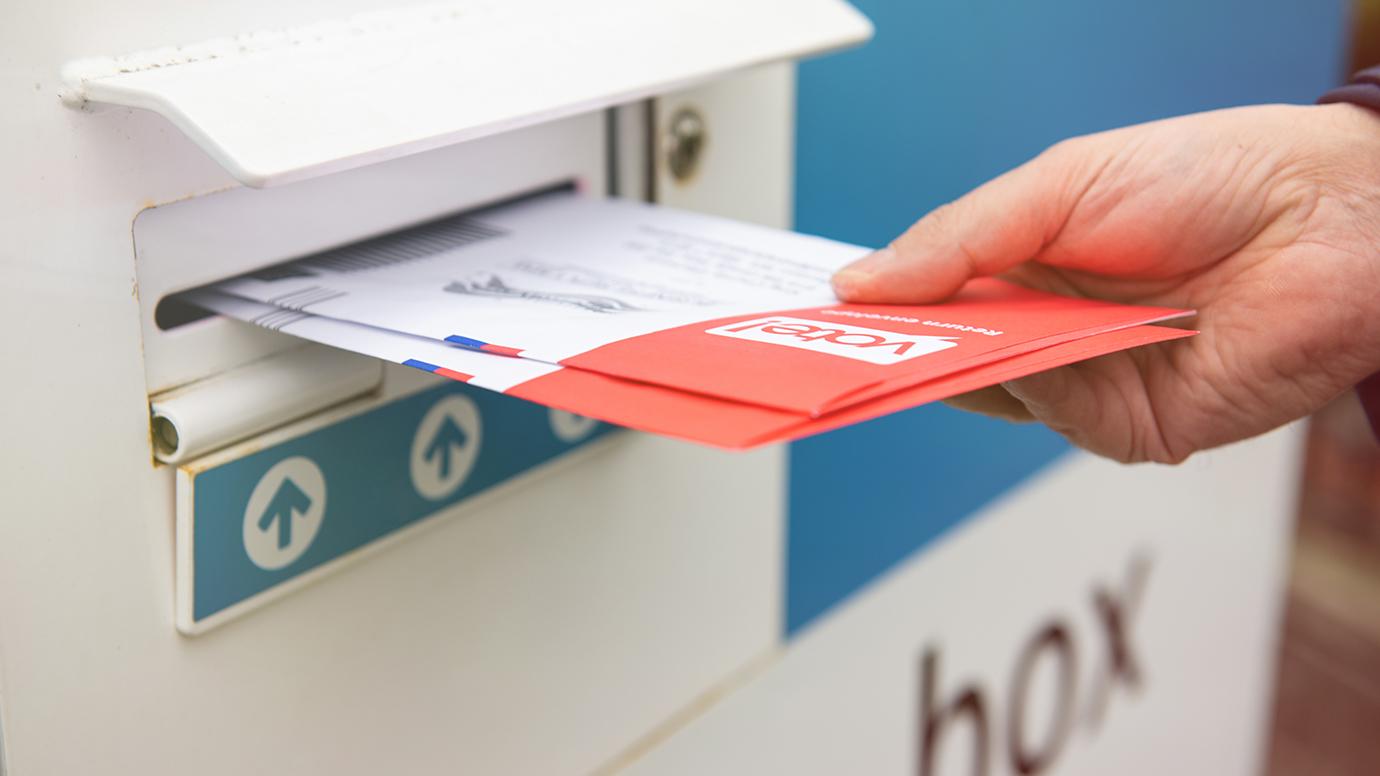
Nearly one-third of the country votes by mail, according to the information presented in the case. This means changes to mail voting rules can affect a large number of voters.
States have different systems for requesting, sending and returning mail ballots. Some automatically send ballots to eligible voters, while others require voters to request them.
The Supreme Court’s decision allows these existing state-level systems to continue for the 2026 midterms rather than forcing states to adopt the proposed federal requirements immediately.
Election Officials Face Tight Deadlines
Election officials have repeatedly pointed to the timing of the proposed changes as a major concern.
Preparing for a nationwide election involves printing ballots, verifying voter information, preparing envelopes, establishing delivery systems and ensuring that returned ballots can be processed correctly.
Changing these systems only weeks before an election can require significant technical and administrative work.
The fact that some states had already begun sending Mail Ballot materials to voters added another complication. Officials said there was simply not enough time to completely replace established procedures without creating additional risks.
Trump Administration’s Position
The Trump administration has long argued for greater restrictions around mail voting. Trump has also repeatedly criticised mail voting and has falsely blamed it for his defeat to Democrat Joe Biden in the 2020 presidential election.
At the same time, Trump has used mail voting himself, including recently.
The administration’s latest legal effort focused on whether federal authority over the Postal Service could be used to establish nationwide requirements for election-related mail.
The Supreme Court’s latest action prevents those requirements from being applied to the 2026 midterms for now.
What Happens Next
The Supreme Court’s decision does not necessarily end the wider legal dispute over the administration’s Mail Ballot plan. Instead, it keeps the new restrictions from taking effect during the immediate election period.
States will therefore continue operating under their current mail voting procedures as the November midterms approach.
The case could continue to shape the debate over the balance between federal authority, state control of elections and access to mail voting in the United States. For the 2026 election, however, the immediate impact of the ruling is that voters and election officials can continue using the existing systems rather than switching to the proposed federal framework at the last minute.