Energy Strikes: Russia and Ukraine Agree to Pause

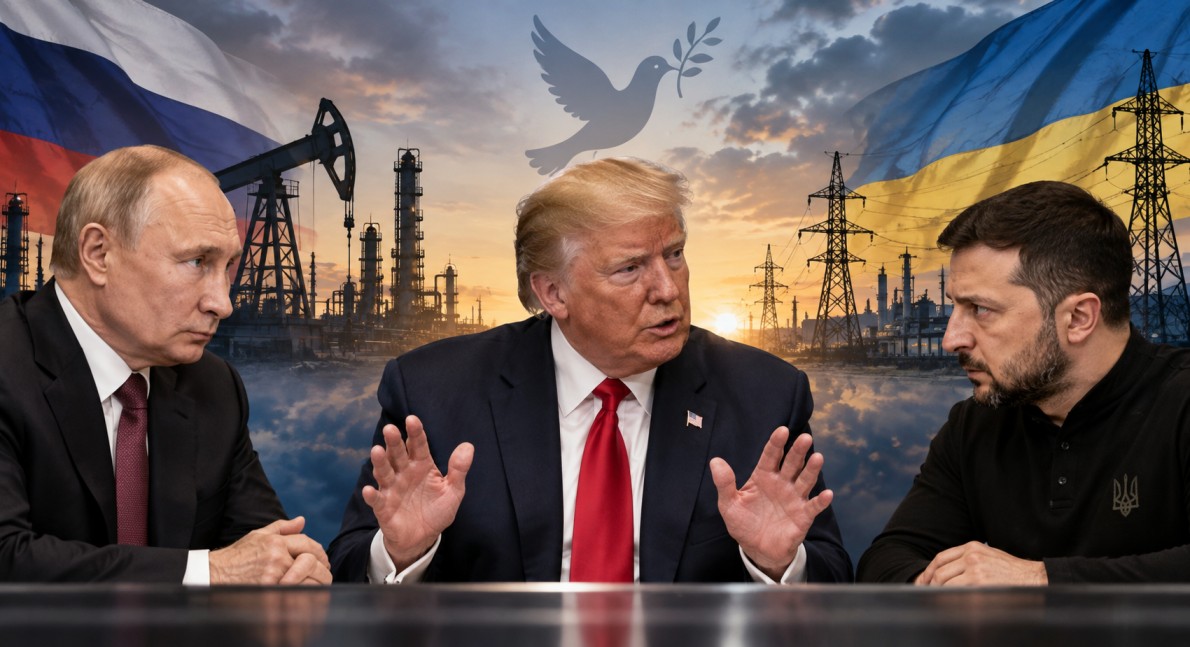
Energy Strikes between Russia and Ukraine could see a temporary pause after US President Donald Trump said the two countries had agreed to stop attacking each other’s energy targets. Trump did not provide a specific start date, duration or enforcement mechanism for the understanding. He also did not clearly define which energy facilities would be covered or whether Russia and Ukraine had agreed to any conditions.
The development comes as diplomatic efforts continue to find ways to reduce the intensity of the Russia-Ukraine war. Energy infrastructure has remained an important target during the conflict because attacks on power plants, fuel facilities and other energy sites can affect both military operations and civilian life.

Trump Announces Energy Strike Understanding
US President Donald Trump said Russia and Ukraine had agreed to stop carrying out attacks against each other’s energy facilities.
According to Trump, Ukraine agreed not to strike Russian energy targets, while Russia agreed to take the same approach towards Ukrainian energy infrastructure.
However, several important details remain unclear. No specific date was announced for when the arrangement would begin, and there was no information about how long it would remain in place.
It was also not immediately clear whether the understanding represented a formal agreement between Moscow and Kyiv or a political commitment discussed through diplomatic channels.

Kremlin Welcomes the Proposal
Russia has responded positively to Trump’s call for Ukraine to stop attacks on Russian fuel-producing facilities.
Kremlin spokesman Dmitry Peskov said countries that have influence over Ukraine could encourage Kyiv to show greater flexibility. He argued that such an approach could contribute to efforts aimed at resolving the conflict.
Russia has repeatedly raised concerns about Ukrainian attacks on its oil refineries, fuel facilities and other energy infrastructure. Such attacks have become an important part of the wider conflict, particularly as both sides attempt to affect each other’s ability to support military operations.
The Kremlin’s response suggests that Moscow sees a possible pause in Energy Strikes as a useful step in the wider diplomatic process.
Ukraine Seeks a Russian Commitment
Ukraine has also indicated that it is prepared to stop attacking Russian territory if its international partners can secure a genuine Russian commitment not to attack Ukraine’s critical infrastructure.
Ukrainian President Volodymyr Zelenskyy said Ukraine was ready to halt such strikes if Russia also agreed not to target important Ukrainian infrastructure.
This position shows that Kyiv wants any arrangement to work in both directions. Ukraine’s main concern is that stopping its own attacks without a reliable Russian commitment could leave its infrastructure vulnerable to further attacks.
Why Energy Infrastructure Matters
Energy infrastructure has played a major role in the Russia-Ukraine conflict. Power stations, electricity networks, oil facilities, gas infrastructure and fuel storage sites are essential for keeping economies and military systems operating.
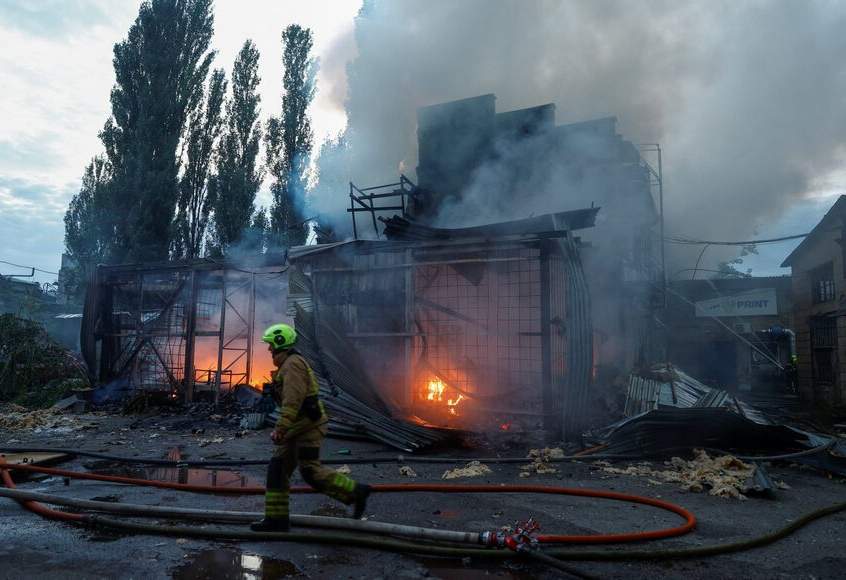
Damage to these facilities can create power shortages and disrupt heating, transport and industrial activity. In Ukraine, attacks on electricity infrastructure have previously caused large-scale disruptions, particularly during periods of heavy fighting.
Russia has also faced attacks on oil refineries and fuel-related facilities. Damage to these sites can reduce processing capacity and create pressure on fuel supplies.
Because of this, a pause in Energy Strikes could have effects beyond the immediate military situation.
Impact on Civilians
Energy facilities are closely connected to daily life. Electricity is required for homes, hospitals, water systems, communications and businesses.
A reduction in attacks could help improve the stability of electricity and fuel supplies if the arrangement is maintained. It could also reduce the risk of damage to infrastructure ahead of periods of high energy demand.
For civilians in both countries, the impact of attacks on energy infrastructure can extend far beyond the facilities themselves. Damage to electricity networks can affect entire communities, while disruptions to fuel supplies can increase pressure on transport and other essential services.
Questions Remain Over Enforcement
The proposed understanding faces several unanswered questions. The most important is how the two sides would determine whether an attack violated the arrangement.
There is also no clear information about which facilities would qualify as protected energy targets. Oil refineries, power plants, fuel depots, pipelines and electricity transmission systems could all potentially fall under the broader term of energy infrastructure.
Another question is how long the pause would last. Without a fixed period or clear enforcement system, maintaining the arrangement could prove difficult if either side accuses the other of breaking it.
Part of Wider US Diplomatic Efforts
The announcement comes amid continued US efforts to encourage negotiations between Russia and Ukraine.
The Trump administration has pushed for diplomatic steps aimed at reducing the fighting and creating conditions for broader discussions about ending the war.
A limited agreement focused on Energy Strikes could potentially serve as a smaller confidence-building measure. If both sides maintain such a pause, it could provide an opportunity for further discussions on other areas of the conflict.
However, the success of any temporary arrangement will depend heavily on whether Russia and Ukraine follow the same conditions and whether disagreements over alleged violations can be managed.
Energy Security Remains a Major Issue
The latest development also highlights the importance of energy security during modern conflicts. Oil, gas and electricity infrastructure can have both economic and strategic value.
Russia is a major energy producer, while Ukraine has an extensive electricity network and energy infrastructure that has been repeatedly affected by the war.
A sustained reduction in attacks on these facilities could help limit additional damage and reduce pressure on energy systems. At the same time, the broader conflict continues, and the proposed pause does not by itself represent a comprehensive ceasefire.
The immediate focus remains on whether Russia and Ukraine will implement the reported understanding and whether a reduction in Energy Strikes can become part of wider diplomatic efforts.