



Artemis III Astronaut Crew Announcement

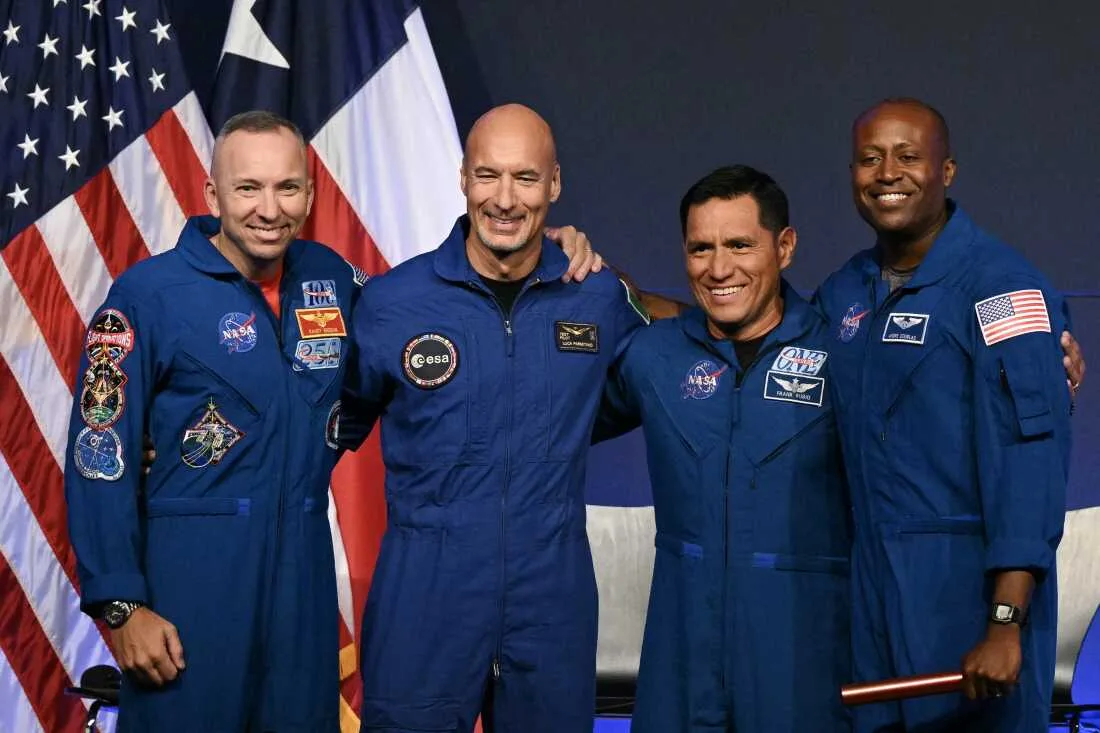
Artemis III Astronaut Crew has been officially announced, marking another major step in global space exploration. NASA revealed the four-member crew in June 2026, bringing attention to its upcoming mission planned for late 2027.
Thank you for reading this post, don't forget to subscribe!The announcement was made at a major space center in the United States, where officials shared details about the astronauts and mission goals. This mission is part of the larger Artemis program, which aims to expand human presence in space and prepare for future lunar exploration.
Who Are the Crew Members
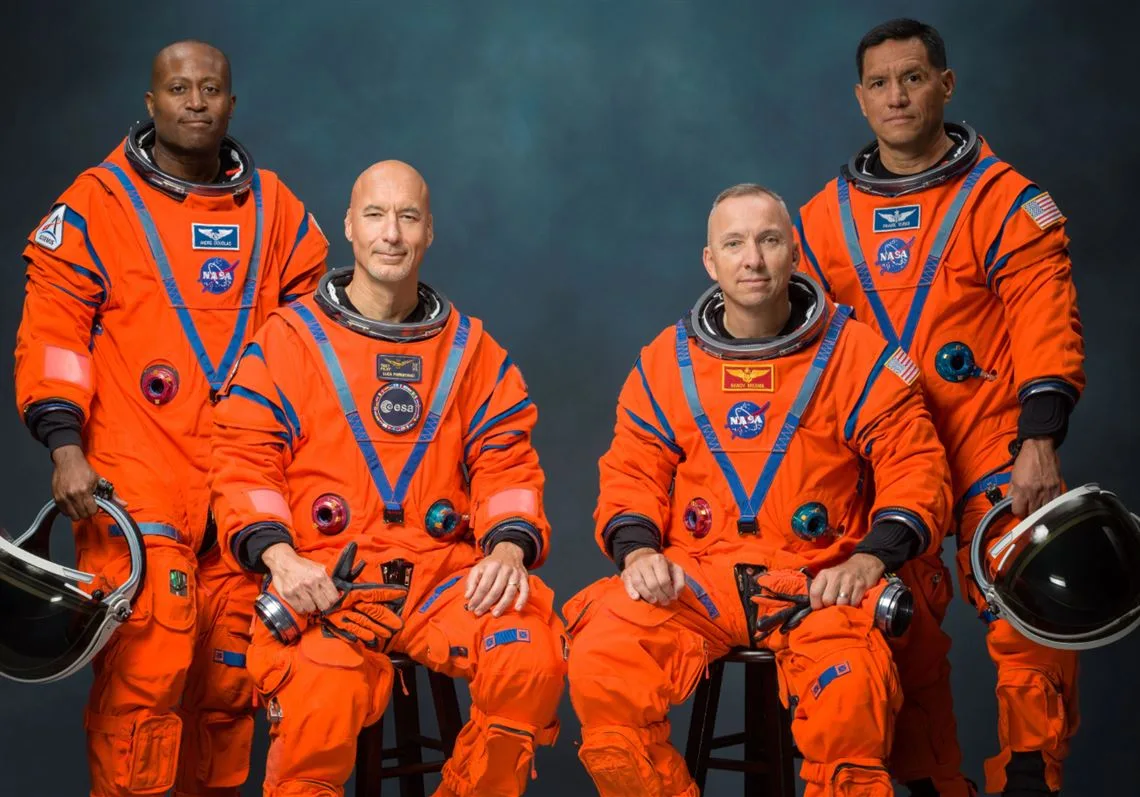
The Artemis III mission will include four astronauts with different roles and experience levels. Randy Bresnik will serve as the commander, leading the mission. Luca Parmitano, representing the European Space Agency, has been selected as the pilot.
Andre Douglas and Frank Rubio will take on the role of mission specialists. Each member brings unique skills and experience to the team.
In addition to the main crew, Bob Hines has been named as the backup astronaut. Backup crew members are trained to step in if needed, ensuring that the mission can proceed without delays.
Mission Timeline and Launch Plans
The Artemis III mission is currently scheduled for launch in late 2027. It will take off from a well-known launch site in Florida, which has been used for many historic space missions.
The mission timeline includes around two weeks of operations in space. During this period, the crew will carry out several tests and experiments.
The timeline has been updated recently, showing how space missions often change as new technologies and plans develop.
Focus on Testing and Space Operations
One of the main goals of Artemis III is to test important systems needed for future missions. The crew will focus on activities such as docking and coordination between spacecraft.
These operations are important for long-term space travel, where different systems need to work together smoothly. The mission will involve working with commercial partners that are developing advanced landing technologies.
Testing these systems in space helps improve safety and performance for future missions.
Spacecraft and Technology Involved
The Artemis III mission will use the Orion spacecraft, which is designed for deep-space travel. Orion is built to carry astronauts beyond Earth’s orbit and support long-duration missions.
In addition, the mission will involve systems developed by private companies. These include advanced landing technologies that are expected to play a role in future Moon missions.
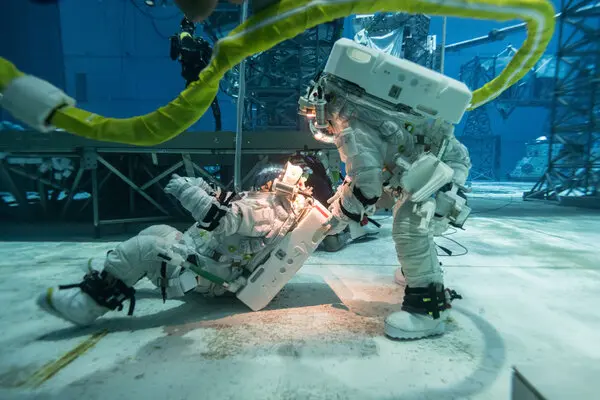
New spacesuits are also part of the mission. The crew will test modern suits designed for better mobility, safety, and performance during space activities.
Experience of the Astronauts
The selected crew includes astronauts with both experience and fresh perspectives. Randy Bresnik has already participated in previous missions, giving him valuable knowledge of space operations.
Frank Rubio is known for completing a long-duration mission in space, which adds to the team’s expertise.
Andre Douglas is preparing for his first spaceflight, showing how new astronauts are being included in major missions. This mix of experience and new talent helps create a balanced team.
Changes in Lunar Mission Plans
Earlier plans for Artemis III included a human landing on the Moon. However, recent updates have shifted that goal to a later mission.
Now, the first human landing under this program is expected to take place during Artemis IV, which is planned for 2028.
This change highlights how space programs evolve over time. Adjustments are made based on technology readiness, safety considerations, and mission priorities.
Global Collaboration in Space Exploration
The Artemis III mission shows how space exploration is becoming more collaborative. With astronauts from different countries and support from multiple organisations, the mission reflects a global effort.
International partnerships help share knowledge, reduce costs, and improve innovation. The involvement of agencies and companies from different regions makes the mission more advanced and inclusive.
This trend is expected to continue as more countries take part in space activities.
Growing Interest in Space Missions
Space exploration has gained strong public interest in recent years. Missions like Artemis III are followed closely by people around the world.
Social media, live broadcasts, and digital platforms allow people to stay updated on mission progress. This has helped create excitement and awareness about space science.
Young students and professionals are also showing interest in careers related to space, technology, and research.
Future of Human Space Exploration
The Artemis III mission is part of a larger plan to expand human activities in space. Future missions are expected to focus on long-term presence on the Moon and possible journeys to Mars.
With advancements in technology and growing international cooperation, space exploration is entering a new phase.
Missions like Artemis III play a key role in testing systems, training astronauts, and preparing for more ambitious goals in the years ahead.