Human Migration in India: Meaning, Types, Causes, Impacts, Challenges and Solutions

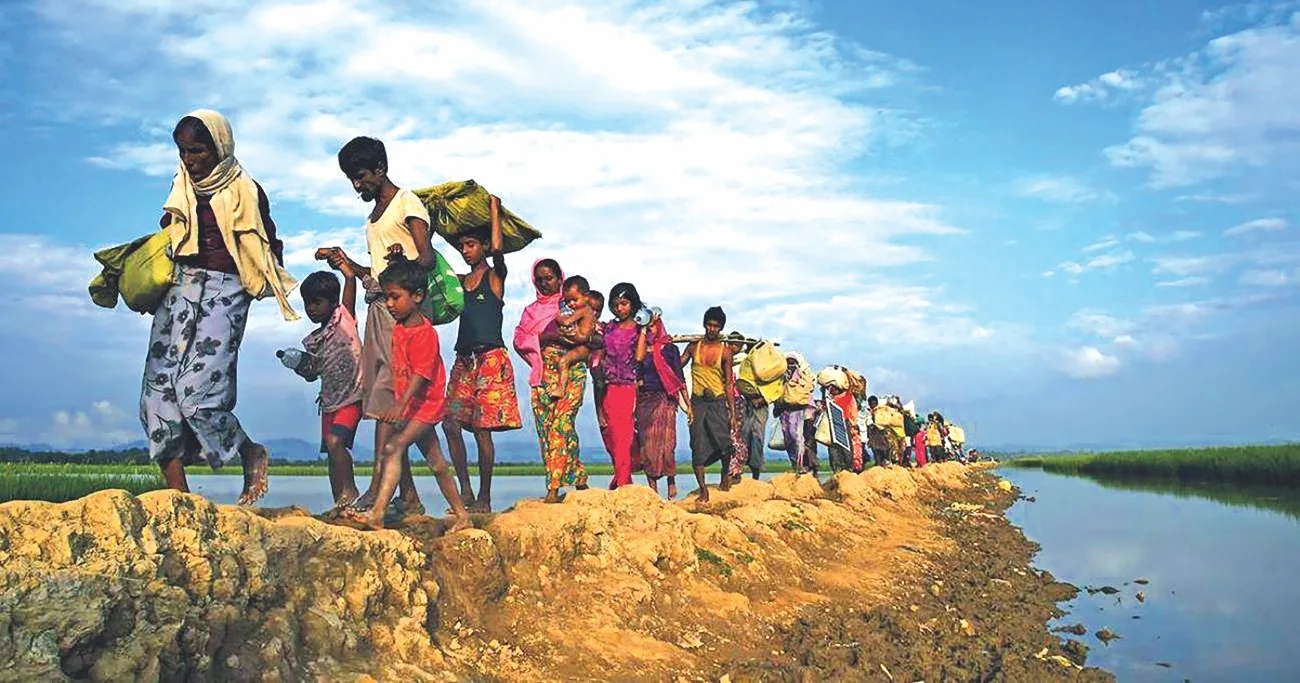
Human Migration in India is one of the most important social and economic processes shaping the country today. It refers to the movement of people from one place to another within India or outside the country for various reasons such as employment, education, marriage, safety, and better living conditions. Migration is not a new phenomenon; it has been happening for centuries. However, in modern times, it has increased rapidly due to globalization, urbanization, and development.
Thank you for reading this post, don't forget to subscribe!India is one of the largest sources of migrants in the world. According to the International Migrant Stock Report 2019, India has around 17.5 million international migrants, which is about 6.4% of the total global migrant population. This shows how significant migration is for India’s economy and society.
Migration can be voluntary, where people choose to move for better opportunities, or involuntary, where people are forced to move due to conflicts, disasters, or other pressures. Understanding migration is very important because it affects both the place people leave (source) and the place they move to (destination).
What is Human Migration?
Human migration simply means the movement of people from one place to another. This movement can happen:
- Within a country (internal migration)
- Between countries (international migration)
The International Organization for Migration (IOM) defines a migrant as a person who moves away from their usual place of residence, either within a country or across borders, regardless of:
- Legal status
- Reason for migration
- Duration of stay
This means migration includes all types of people workers, students, refugees, and even those moving for marriage.
Types of Human Migration in India
1. Internal Migration
Internal migration refers to movement within the country. It is the most common type in India.

Types of Internal Migration
a) Long-term Migration
- People move permanently or for a long time
- Example: A family moving from a village to a city
b) Short-term Migration
- Temporary movement
- People return to their original place after some time
- Example: Seasonal workers
Major Source States
People mainly migrate from:
Major Destination States
People move to:
Key Facts
- India has about 309 million internal migrants (Census 2001)
- About 45 million people moved for work (Census 2011)
- Internal migration is much higher than international migration
2. External Migration (International Migration)
External migration means moving from India to another country or vice versa.
Types
- Emigration: Leaving India to work or live abroad
- Immigration: People coming to India
- Refugee Migration: Forced movement due to war or disasters
Many Indians migrate to countries like the USA, UAE, Saudi Arabia, Canada, and the UK for better job opportunities.
Push and Pull Factors of Migration
Migration happens because of two main reasons:
Push Factors (Reasons to Leave)
These are problems that force people to leave their homes:
- Lack of jobs
- Poverty
- Natural disasters (floods, droughts)
- Political instability
- Lack of education and healthcare
- Social conflicts
Pull Factors (Reasons to Move)
These attract people to a new place:
- Better job opportunities
- Higher wages
- Good education
- Better healthcare
- Improved living conditions
- Safety and security
Causes of Human Migration in India
1. Employment
The most important reason for migration is employment. People move from villages to cities to find jobs in:
- Construction
- Factories
- Transport
- Services
- Domestic work
2. Seasonal Migration
Many people migrate only during certain seasons. For example:
- Farmers from drought areas work in cities during off-season
- Workers move for brick kilns or construction work
3. Circular Migration
This is repeated movement between home and workplace. Workers travel back and forth regularly.
4. Education
Students move to cities or foreign countries for:
- Better schools
- Colleges
- Universities
India has a large young population, but not enough quality jobs and education facilities in all areas.
5. Marriage
Marriage is a major reason for migration, especially for women. Most women move to their husband’s home after marriage.
6. Lack of Security
People migrate due to:
- Political unrest
- Violence
- Conflicts
7. Environmental Factors
Natural disasters force people to move:
- Floods
- Droughts
- Cyclones
- Heatwaves
Migration and Urbanization
Urbanization and migration are closely connected.
- Cities offer better job opportunities
- Higher wages attract workers
- Demand for labor increases
India’s urban population is expected to grow from 410 million (2014) to 814 million by 2050.
Positive Impacts of Human Migration in India
1. Economic Growth
Migration helps in:
- Filling labor shortages
- Increasing production
- Supporting industries
2. Remittances
Migrants send money back home, which:
- Improves family income
- Supports education and health
- Reduces poverty
3. Skill Development
Migrants learn:
- New skills
- New technologies
- Better work practices
4. Improved Living Standards
Migration helps people:
- Earn more money
- Live better lives
- Access better services
5. Cultural Exchange
Migration promotes:
- Sharing of cultures
- Language learning
- Social harmony
6. Food Security
Migration improves access to food and nutrition, especially in rural areas.
7. Climate Adaptation
Migration helps people escape areas affected by climate change.
Migration and Sustainable Development Goals (SDGs)
Migration is important for development.
- It is included in the 2030 Sustainable Development Goals (SDGs)
- Target 10.7 focuses on safe and organized migration
- 11 out of 17 SDGs are linked to migration
Negative Impacts of Migration
1. Population Pressure
Cities face:
- Overcrowding
- Pressure on resources
- Lack of housing
2. Growth of Slums
Migration leads to:
- Slum development
- Poor living conditions
- Pollution
3. Brain Drain
When skilled people leave, the country loses talent.
4. Exploitation of Workers
Many migrants face:
- Low wages
- Long working hours
- Unsafe conditions
5. Social Problems
Migrants may face:
- Discrimination
- Language barriers
- Cultural differences
6. Demographic Imbalance
Young men often migrate, leaving:
- Women
- Children
- Elderly
in villages.
Challenges Faced by Migrants in India
Migration offers opportunities, but it also brings many difficulties. Migrants often struggle to adjust and survive in new environments due to social, economic, and legal problems.
1. Lack of Social Security and Exclusion from Benefits
Migrants often cannot access basic government benefits such as:
- Ration cards
- Healthcare services
- Welfare schemes
- Education support
This happens because they do not have proper documents like:
- Address proof
- Voter ID
- Aadhaar card
Due to their constant movement, they are often excluded from government support systems.
2. Poor Living Conditions
Many migrants live in:
- Temporary shelters
- Slum areas
- Overcrowded rooms
These places often lack:
- Clean water
- Sanitation
- Electricity
Such conditions make their daily life unsafe and unhealthy.
3. Health Hazards and Medical Issues
Migrants face serious health problems due to:
- Hard and risky work conditions
- Poor hygiene
- Lack of proper nutrition
- Limited access to healthcare
Many migrants also do not have health insurance or medical support, which worsens their situation.
4. Employment Challenges and Exploitation
Migrants often face problems at the workplace such as:
- Job insecurity
- Low wages
- Long working hours
- Unsafe working conditions
In foreign countries, many labor migrants are:
- Paid less than promised
- Forced to work extra hours
- Denied proper rest
Policies like job reservation for locals and laws such as Saudi Arabia’s Nitaqat system or visa restrictions in countries like the USA make it harder for migrants to find jobs.
5. Contract Wage System Issues
Many migrants work under contract systems, which lead to:
- Contract violations
- Delay or non-payment of wages
- Exploitation by employers
- Poor working environments
These issues are common both within India and abroad.
6. Legal and Policy Challenges
India has laws like the Inter-State Migrant Workmen Act (1979) to protect migrant workers. However:
- The law is rarely implemented properly
- Penalties for violations are very low
- Many workers are not even aware of their rights
This makes migrants more vulnerable to exploitation.
7. Lack of Information and Awareness
Many migrants do not have proper knowledge about:
- Their legal rights
- Government schemes
- Support systems
Even in foreign countries, migrants often do not approach Indian embassies due to:
- Lack of awareness
- Low trust
- Fear of authorities
This reduces their chances of getting help and justice.
8. Inclusion and Integration Issues
Internal migration is often not seen positively in India. Because of this:
- Policies sometimes try to reduce migration instead of supporting it
- Migrants are not properly included in development plans
- They face discrimination in cities
This creates difficulties in their social and economic integration.
9. Psychological and Emotional Stress
Migration is not just physical movement it also affects mental health. Migrants often suffer from:
- Homesickness
- Loneliness
- Cultural differences
- Language barriers
Adjusting to a new place can be stressful, especially when they are away from family.
10. Political Exclusion
Migrants often cannot vote because:
- They move frequently
- Their names are not in voter lists of destination areas
This limits their participation in democracy.
Global Efforts to Manage Migration
1. United Nations Initiatives
The United Nations has taken steps to protect migrants:
- New York Declaration (2016)
- Global Compact for Migration (2018)
These aim to ensure:
- Safety
- Human rights
- Dignity
2. International Migrants Day
Celebrated every year on 8th December to recognize migrants’ contributions.
Government Initiatives in India
1. Aawaz Health Insurance Scheme (Kerala)
Provides health insurance coverage to migrant workers, helping them access medical care and reducing their financial burden during illness.
2. Apna Ghar Project
This project focuses on providing safe and affordable accommodation for migrant workers, especially in urban areas where housing is a major issue.
3. Portable Rights System
Ensures that migrant workers can access their basic rights such as food, healthcare, and welfare benefits even when they move from one state to another.
Way Forward: Solutions for Better Migration Management
Migration is not just a challenge but also an opportunity for development. According to the Human Development Report (2009) by the United Nations Development Programme (UNDP), migration is an important part of human development. It helps people improve their lives and contributes to economic growth. The report also states that trying to stop migration completely can be harmful and counterproductive.
Similarly, the United Nations Educational, Scientific and Cultural Organization (UNESCO) has pointed out that policies for integrating migrants into society are often weak or not properly implemented. It has suggested that migrants should be included in development planning so that they can contribute fully to society.
Therefore, India needs to create strong migration-focused policies, strategies, and institutions to ensure inclusive growth. Proper management of migration can help reduce poverty and support the achievement of Sustainable Development Goals (SDGs).
At the same time, the central government must provide better facilities and social security to migrants. Many migrant workers face serious problems such as:
- Poor housing conditions
- Low wages and job insecurity
- Dangerous and unhealthy working environments
- High risk of trafficking and exploitation, especially for women and children
Schemes like Aawaz Health Insurance, Apna Ghar Project, and Portable Rights System are good examples, but they need to be expanded and implemented effectively across the country.
Key Solutions
1. Migration-Friendly Policies
India should develop policies that:
- Recognize migration as a part of development
- Support migrants instead of restricting movement
- Include migration in national planning
2. Social Security for Migrants
Government should ensure:
- Proper housing facilities
- Access to healthcare
- Education for children of migrants
- Food security through portable ration systems
3. Skill Development Programs
Providing training to migrants can:
- Increase job opportunities
- Improve income levels
- Reduce exploitation
4. Better Implementation of Laws
Existing laws like labor protection acts should be:
- Strictly enforced
- Regularly monitored
- Made more effective
5. Use of Technology
Technology can help in:
- Creating migrant databases
- Delivering government services
- Ensuring transparency and accountability
6. Reducing Distress Migration
To reduce forced migration:
- Rural areas should be developed
- More job opportunities should be created locally
- Agriculture and small industries should be supported
7. Inclusive Development
Migration should be seen as a positive force. Policies should aim to:
- Ensure no one is left behind
- Integrate migrants into society
- Promote equality and dignity
Conclusion
Human Migration in India is a complex but important process. It plays a key role in economic development, cultural exchange, and social transformation. While migration brings many benefits, it also creates challenges such as overcrowding, exploitation, and inequality.
Instead of stopping migration, the focus should be on managing it properly. With better policies, social security, and development planning, migration can become a powerful tool for growth and progress.
FAQs on Human Migration in India
1. What is human migration?
Human migration is the movement of people from one place to another for various reasons.
2. What are the main types of migration?
Internal migration and external (international) migration.
3. What are push factors?
Push factors are reasons that force people to leave their homes.
4. What are pull factors?
Pull factors attract people to a new place.
5. Why do people migrate in India?
Main reasons include jobs, education, marriage, and better living conditions.
6. What are the positive effects of migration?
Economic growth, skill development, and improved living standards.
7. What are the negative effects of migration?
Overcrowding, slums, and worker exploitation.