Jewar Airport Phase One Open Boosts India’s Aviation Growth

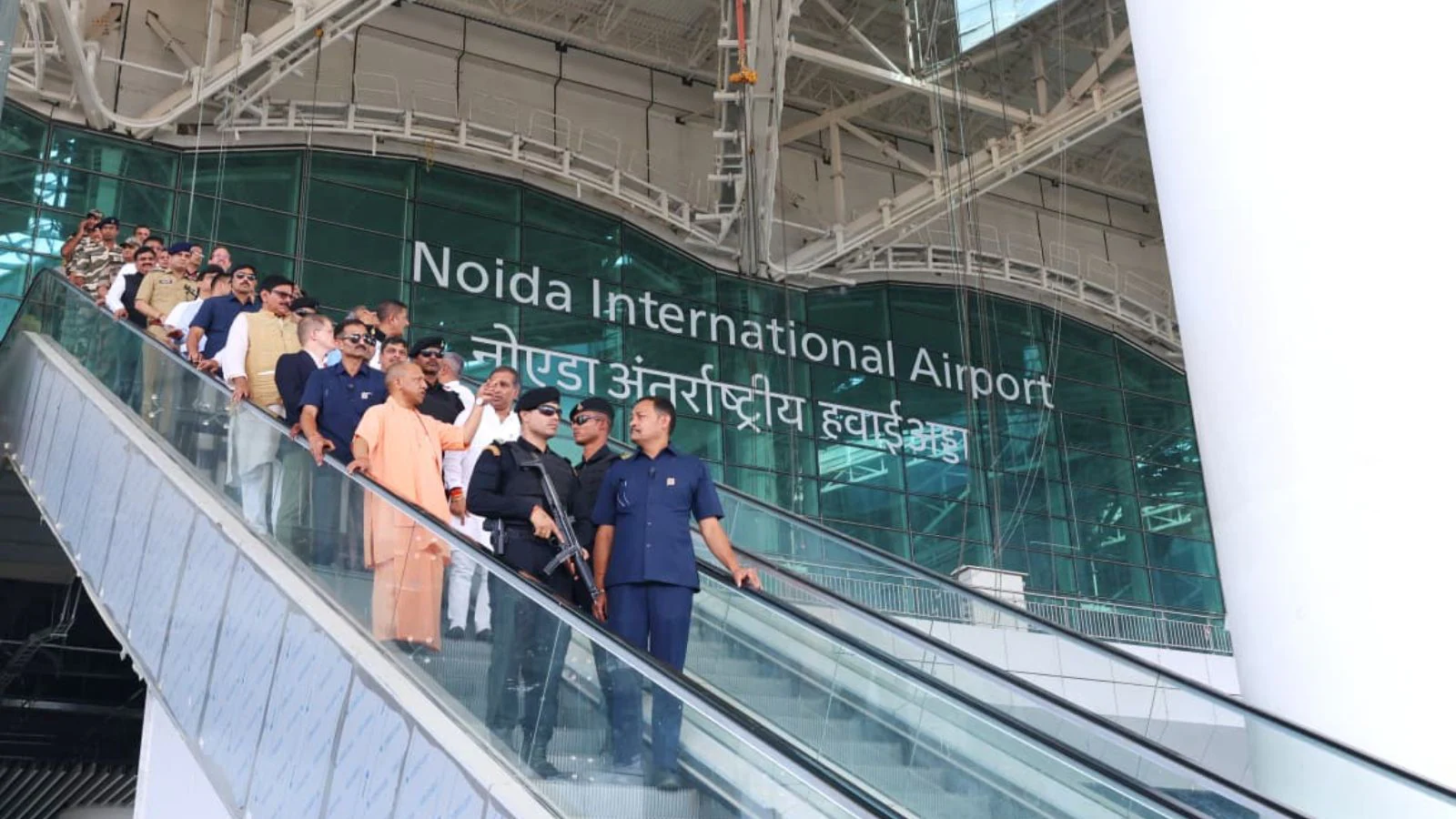
Prime Minister Narendra Modi inaugurated Phase I of the Noida International Airport on March 28. This marks a major step in expanding India’s aviation network. Located in Jewar, Uttar Pradesh, the airport will serve as the second international airport in the Delhi-NCR region after Indira Gandhi International Airport. It is expected to reduce congestion and improve travel experience.
Thank you for reading this post, don't forget to subscribe!Strategic Importance of Jewar Airport Phase One Open
The new airport is built along the Yamuna Expressway, making it easy to access from Delhi, Noida, and nearby areas. It will work alongside IGI Airport to manage the growing number of passengers. This dual-airport system will help improve connectivity for both domestic and international travel.
Regulatory Approval and Operations
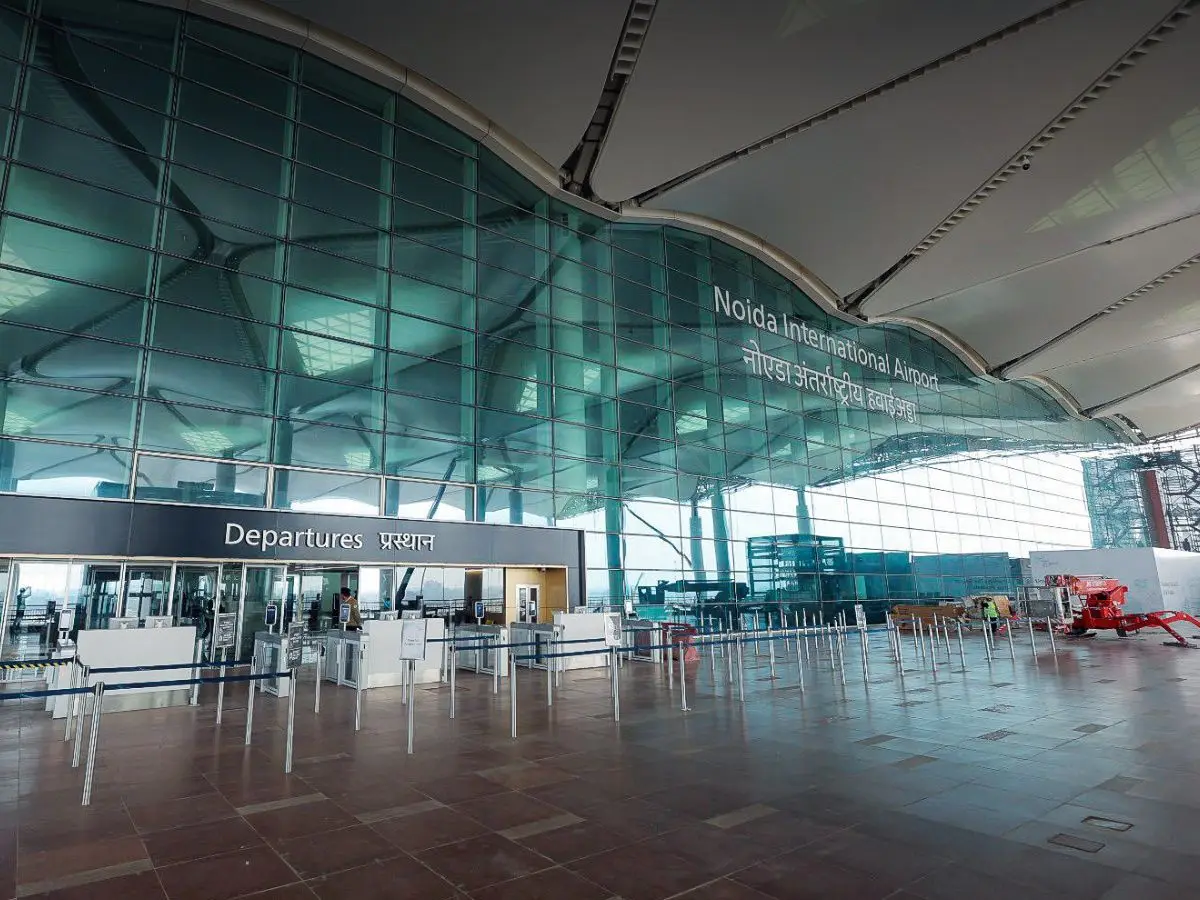
The Directorate General of Civil Aviation has granted the aerodrome licence to Yamuna International Airport Private Limited. This allows the airport to operate for public use. With modern systems like Instrument Landing System and advanced lighting, the airport can support safe operations in all weather conditions, day and night.
Infrastructure and Capacity of Jewar Airport Phase One Open
Phase I of the project has been developed with an investment of around ₹11,200 crore. The airport features a 3,900-metre runway, capable of handling large aircraft. It can serve 12 million passengers per year, with plans to expand up to 70 million passengers in the future. The project follows a Public-Private Partnership model and is supported by Zurich Airport International AG.
Sustainable Design and Future Vision
The airport is designed as a net-zero emissions facility, using energy-efficient systems and eco-friendly practices. Its design reflects Indian culture, inspired by traditional ghats and havelis. This modern yet cultural approach shows India’s vision of building world-class infrastructure while protecting the environment.