GI Tag of Assam: Protecting Tradition and Culture

The GI tag of Assam is a symbol of pride, culture, and traditional knowledge. Assam, a beautiful state in Northeast India, is known for its green tea gardens, mighty Brahmaputra River, rich forests, and colorful festivals. But Assam is not only famous for its natural beauty. It is also famous for many unique products that cannot be found in the same way anywhere else in the world.
Thank you for reading this post, don't forget to subscribe!These products are special because of Assam’s climate, soil, natural resources, and the skills of its people. To protect such special items, the Government of India gives them a Geographical Indication (GI) tag. This tag helps protect the identity of products that belong to a particular place.
What is a GI Tag?
GI stands for Geographical Indication. A GI tag is a special sign given to products that come from a specific place and have special qualities because of that place.
These special qualities may be because of:
- Climate
- Soil
- Water
- Traditional methods
- Skills passed down from generation to generation
For example:
- Darjeeling Tea comes only from Darjeeling.
- Banarasi Saree comes from Varanasi.
- Assam Tea comes from Assam.
If a product has a GI tag, only the producers from that area can use the name legally. This means no one else can copy or misuse the name.
Why is the GI Tag Important for Assam?
The GI tag is very important for Assam for many reasons.
1. Protects Culture and Tradition
Assam has very old traditions of weaving, farming, pottery, and music. GI tags help protect these traditions and keep them alive.
2. Stops Fake Products
When a product has a GI tag, fake products cannot use the same name. This protects buyers from being cheated.
3. Helps Farmers and Artisans
Local farmers, weavers, and craftsmen can earn better money because their products are recognized as special.
4. Promotes Assam Worldwide
GI-tagged products make Assam famous not only in India but also in other countries.
5. Creates Jobs
When demand increases, more people get work. This improves the standard of living in villages and towns.
Assam – A Land of Rich GI-Tagged Products
Assam has many GI-tagged products. These include tea, silk, rice, fruits, handicrafts, musical instruments, and traditional items. Let us learn about them one by one.
1. Assam Tea (GI Tag Year: 2007)
Assam Tea was the first product from Assam to receive a GI tag.

It is:
- A strong black tea
- Dark in color
- Rich in flavor
- Grown in the Brahmaputra Valley
Assam Tea is famous all over the world. It is one of the main reasons why Assam is known globally. Millions of people depend on tea gardens for their income.
2. Muga Silk (GI Tag Year: 2010)
Muga Silk is known as the golden silk of Assam.
It is:
- Naturally golden in color
- Very strong and long-lasting
- Used to make Mekhela Chador
- Found only in Assam
One special thing about Muga silk is that it becomes shinier after every wash. It is a symbol of pride in Assamese culture.
3. Eri Silk (GI Tag Year: 2010)
Eri Silk is also called Ahimsa Silk because it is made without killing silkworms.
It is:
- Soft and warm
- Eco-friendly
- Used for shawls and blankets
- Popular among tribal communities
Eri silk supports sustainable and ethical production.
4. Assamese Handloom Fabrics (GI Tag Year: 2010)
Assam is famous for handloom weaving.
Important products include:
- Mekhela Chador
- Gamosa
These fabrics are:
- Handwoven
- Made using traditional designs
- Very important in Assamese culture
The Gamosa is a symbol of respect and honor in Assam.
5. Assamese Dhol (GI Tag Year: 2013)
The Dhol is a traditional drum of Assam.
It is:
- Used during Bihu dance
- Made from wood and animal skin
- Important in festivals
No Assamese celebration feels complete without the sound of the Dhol.

6. Jaapi (GI Tag Year: 2013)
Jaapi is a traditional Assamese hat.
It is:
- Made from bamboo and palm leaves
- Used by farmers
- Also used to welcome guests
Decorated Jaapis are a symbol of honor.
7. Kaji Nemu (GI Tag Year: 2017)
Kaji Nemu is a special lemon variety of Assam.
It is:
- Very aromatic
- Less sour
- Used in food and traditional medicine
- Long-lasting
It is an important part of Assamese meals.
8. Assam Oranges (GI Tag Year: 2019)
Assam oranges are:
- Sweet
- Juicy
- Grown naturally
They provide good income to farmers.
9. Karbi Anglong Pineapple (GI Tag Year: 2019)
This pineapple is:
- Very sweet
- Juicy
- Grown in hilly areas
It is considered one of the best pineapples in India.
10. Assam Black Rice (Kala Joi) (GI Tag Year: 2020)
Kala Joi rice is:
- Black in color
- Turns purple when cooked
- Rich in nutrients
It is very healthy and traditional.
11. Dighaloo Rice (GI Tag Year: 2020)
This rice is:
- Aromatic
- Traditional
- Used for special meals
It has a unique taste and smell.
12. Naga Cucumber (GI Tag Year: 2020)
Naga Cucumber is:
- Crunchy
- Long-lasting
- Grown in hill areas
It is different from normal cucumbers.
13. Bhut Jolokia (GI Tag Year: 2021)
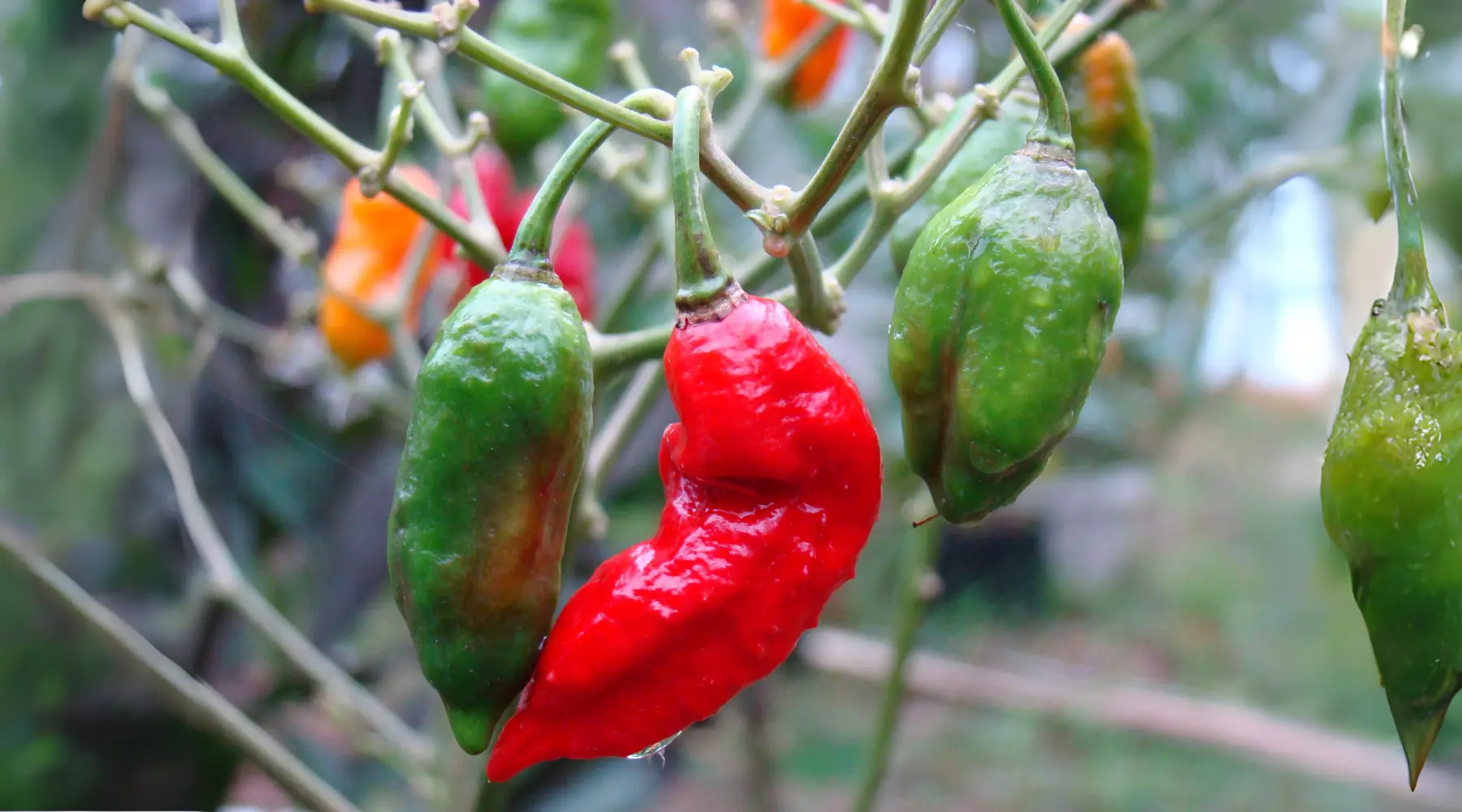
Bhut Jolokia is also called Ghost Pepper.
It is:
- One of the hottest chilies in the world
- Used in Assamese food
- Also used in medicine
It made Assam famous worldwide.
14. Assam Khadi (GI Tag Year: 2022)
Assam Khadi is:
- Handwoven fabric
- Made from cotton or silk
- Eco-friendly
It supports village industries.
15. Kesa of Assam (GI Tag Year: 2022)
Kesa is:
- A traditional artifact
- Used in religious rituals
- Beautifully handmade
It shows Assamese craftsmanship.
16. Bodo Jewelry (GI Tag Year: 2022)
Bodo Jewelry is made by the Bodo community.
It is:
- Traditional
- Colorful
- Worn during festivals
It reflects Bodo identity and culture.
17. Traditional Assamese Pottery (GI Tag Year: 2022)
These include:
- Clay pots
- Plates
- Utensils
Made without machines, pottery centers like Sarthebari and Asharikandi are famous.
18. Dhokra Craft (GI Tag Year: 2023–2024)
Dhokra is a metal craft made using the lost-wax technique.
It is:
- A tribal art
- Handmade
- Beautiful and detailed
Each piece is unique.
19. Amra – Assam Mango (GI Tag Year: 2023)
This mango is:
- Sweet
- Flavorful
- Locally grown
It is loved by people in Assam.
20. Black Sesame Seeds (GI Tag Year: 2023)
These seeds are:
- Nutritious
- Rich in oil
- Used in traditional sweets
They are important in Assamese food.
21. Assam Bamboo Craft (GI Tag Year: 2023)
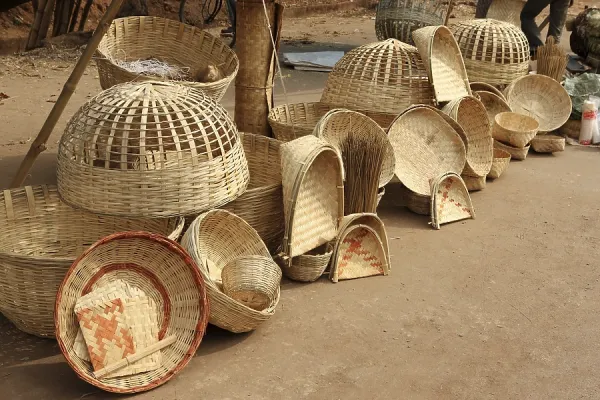
Bamboo is called the “Green Gold” of Assam.
Bamboo craft includes:
- Baskets
- Furniture
- Decorative items
It is eco-friendly and supports rural workers.
22. Assam Red Rice (GI Tag Year: 2024)
Red rice is:
- Rich in fiber
- Healthy
- A traditional staple food
It is gaining popularity for its health benefits.
23. Sarthebari Metal Craft (GI Tag Year: 2024)

Sarthebari is famous for:
- Bell-metal utensils
- Handmade plates and bowls
Around 2000 artisans work in this craft.
24. Panimeteka Craft (GI Tag Year: 2024)
This craft uses water hyacinth.
It is:
- Eco-friendly
- Helps control water pollution
- Used to make bags and furniture
It also creates jobs.
25. Mising Taat (GI Tag Year: 2024)
Made by the Mising community:
- Handwoven clothes
- Bright colors
- Cultural designs
It reflects the identity of the Mising tribe.
26. Asharikandi Terracotta (GI Tag Year: 2024)
Asharikandi is known for:
- Clay dolls
- Pots
- Traditional art
It is an ancient pottery tradition of Assam.
GI Products of the Bodo Community
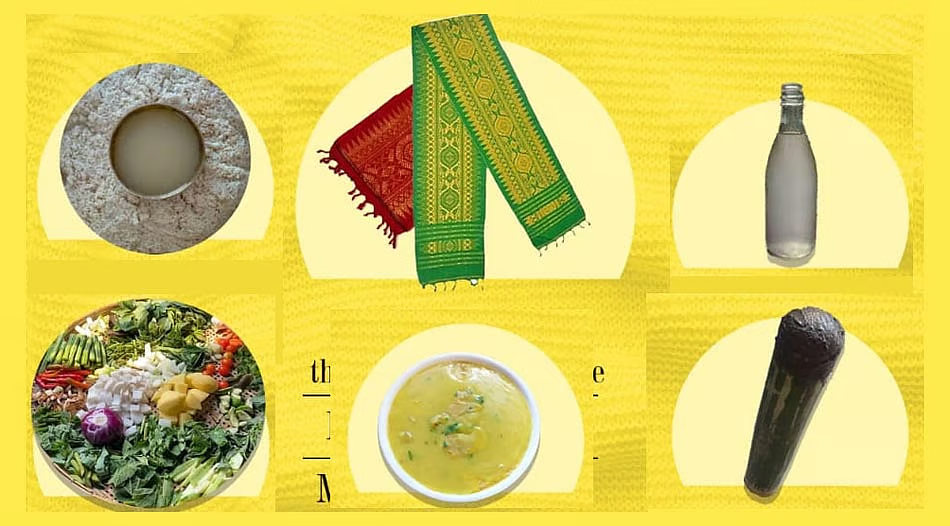
In recent years, many GI products have been linked to the Bodo community.
These include:
- Jotha
- Gongona
- Gamsa
- Sifung
- Serja
- Kham
- Dokhona
- Eri Silk
These items include musical instruments, dresses, and crafts that show the rich Bodo culture.
How GI Tags Help Assam’s Economy
GI tags bring many benefits:
- Increase export
- Attract tourists
- Promote small businesses
- Support women artisans
- Preserve traditional knowledge
When people buy GI-tagged products, they directly support local communities.
Conclusion
The GI tag of Assam is more than just a label. It is a symbol of history, tradition, and the hard work of its people. From Assam Tea to Muga Silk, from Bhut Jolokia to bamboo craft, each product tells a story.
By protecting these special items, GI tags help Assam grow economically while keeping its culture alive. Supporting GI products means supporting farmers, weavers, artisans, and tribal communities.
Every Indian should know about the GI tag of Assam and take pride in these treasures.
FAQs
1. What does GI stand for?
GI stands for Geographical Indication.
2. Who gives GI tags in India?
The Government of India gives GI tags under the GI Act, 1999.
3. Which was the first GI-tagged product of Assam?
Assam Tea received the first GI tag in 2007.
4. Why is Muga Silk special?
Muga Silk has a natural golden color and is found only in Assam.
5. Is Bhut Jolokia really very hot?
Yes, it is one of the hottest chilies in the world.
6. How do GI tags help farmers?
They help farmers get better prices and protect their products from fake copies.