Tamil Nadu Urban Greening Policy Launched To Build Climate Resilient Cities

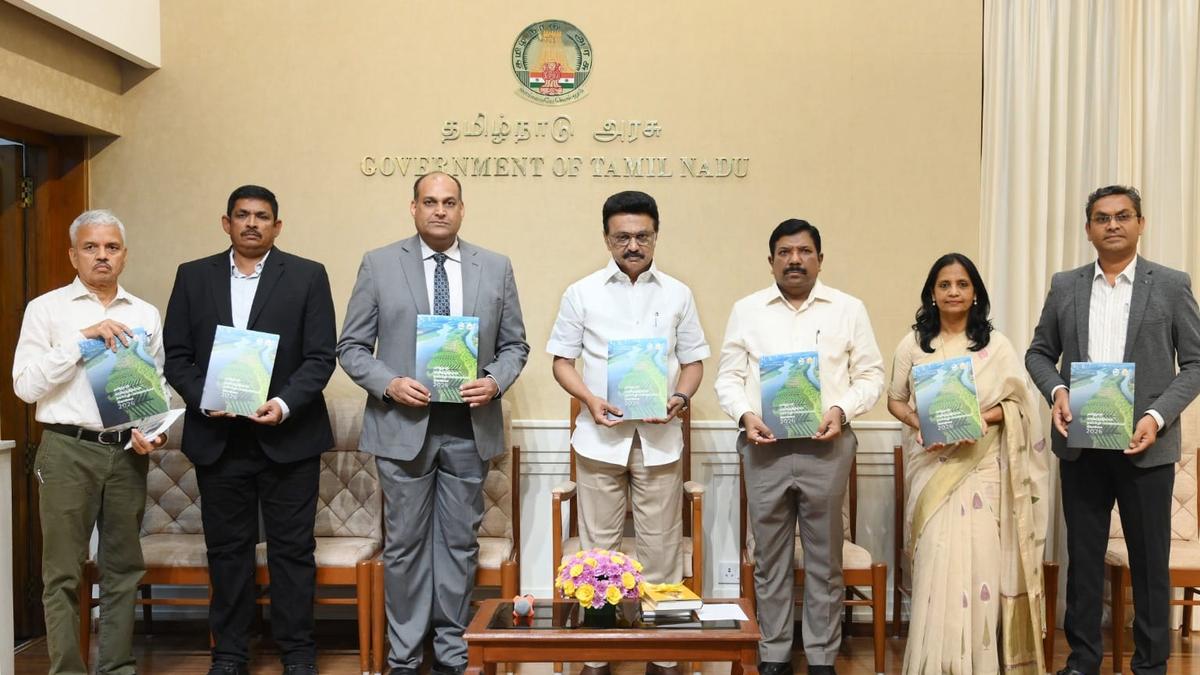
Tamil Nadu Urban Greening Policy has been formally launched as part of the Green Tamil Nadu Mission, marking a strong step towards climate resilient, liveable and people centric urban development. Chief Minister M K Stalin unveiled the policy in Chennai and highlighted that urban ecology will now become a core part of governance and planning across the State.
Thank you for reading this post, don't forget to subscribe!The new policy comes at a time when cities in Tamil Nadu are facing rising temperatures, air pollution, water stress and shrinking open spaces. Rapid urban growth has increased pressure on natural ecosystems. Through this policy, the government aims to ensure that greenery and biodiversity are not treated as optional beautification projects but as essential urban infrastructure.
A Unified Framework For Urban Green Spaces
The Tamil Nadu Urban Greening Policy creates a comprehensive and unified framework for planning, creating, managing and maintaining green cover in urban and peri urban areas. It applies to all Urban Local Bodies, development authorities and designated peri urban zones across the State.
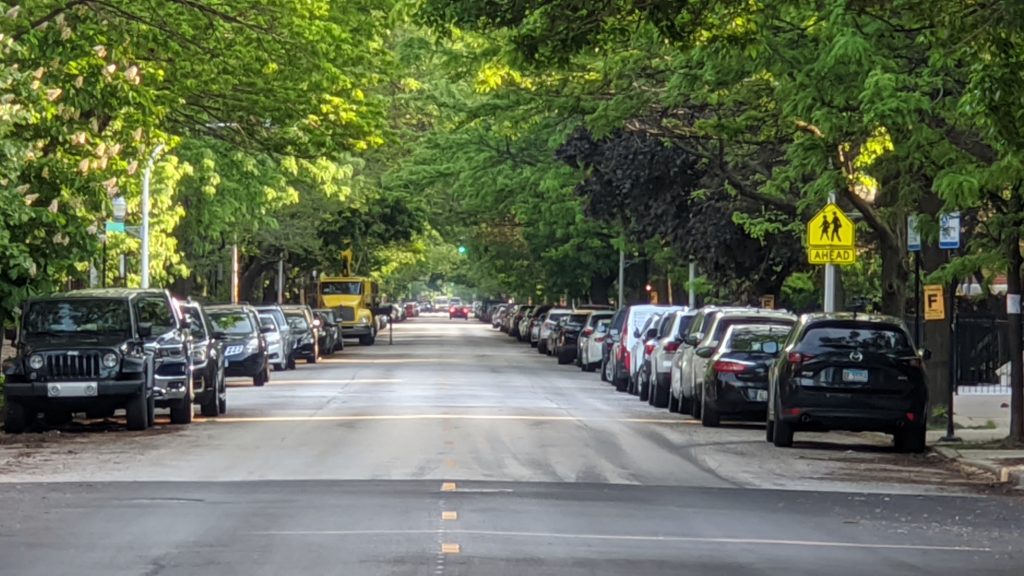
The scope of the policy is wide and inclusive. It covers public parks, roadside avenues, urban forests, wetlands, canal banks, industrial areas, institutional campuses and residential neighbourhoods. By including all major land use categories, the policy ensures that greenery is embedded into everyday urban life rather than confined to a few selected parks.
This unified framework also sets clear guidelines for coordination between departments. Urban planning, public works, municipal administration and forest departments will work together to protect and expand green spaces. The aim is to avoid fragmented efforts and build a connected network of green and blue infrastructure across cities.
Linking Urban Development With Climate And SDG Goals
The Tamil Nadu Urban Greening Policy is closely aligned with the State’s Climate Change Vision and Sustainable Development Goal 11, which focuses on sustainable cities and communities. Urban greening is seen as a tool to fight climate change and improve quality of life.
The policy supports the Green Tamil Nadu Mission target of increasing the State’s overall green cover from 23.7 percent to 33 percent. By integrating ecological planning into city development, the government is addressing both climate mitigation and adaptation. Trees and green spaces help reduce heat island effect, improve air quality, absorb carbon dioxide and manage storm water.
Urban wetlands, ponds and riparian buffers are also part of the strategy. These blue green spaces can reduce flooding risks, recharge groundwater and support biodiversity. In this way, the policy connects environmental protection with disaster resilience and public health.
Minimum Green Cover Mandate For Every City
One of the most important features of the Tamil Nadu Urban Greening Policy is the clear mandate that every Urban Local Body must strive to maintain at least 15 percent of its total geographical area under green cover. This measurable target makes urban greening a compulsory responsibility rather than a voluntary effort.
To ensure proper implementation, dedicated Urban Forest Wings will be established within Urban Local Bodies. These units will oversee planning, plantation drives, maintenance of trees and protection of urban biodiversity. They will also coordinate with experts and civil society groups.
Financial support is another key pillar of the policy. A proportion of urban development budgets and project costs will be earmarked specifically for greening and landscape restoration. This ensures that green initiatives are backed by stable funding and are not sidelined due to lack of resources.
Data Driven Planning And Biodiversity Integration
The Tamil Nadu Urban Greening Policy promotes scientific and data driven planning. Implementation and monitoring will rely on satellite imagery, urban tree censuses, geo tagged plantation records and digital dashboards. This approach will help authorities track progress, identify gaps and ensure accountability.
Cities are required to prepare Urban Biodiversity Plans and detailed greening micro plans. These plans will map existing green spaces, identify areas for restoration and set targets for new plantations. The adoption of tools like the City Biodiversity Index, also known as the Singapore Index, has been mandated to measure biodiversity performance.
All government departments are expected to mainstream ecological thinking into their projects. Whether it is road construction, housing development or industrial expansion, a share of the project budget must support greening and blue green infrastructure. This ensures that environmental considerations become part of routine governance.
Towards People Centric And Liveable Cities
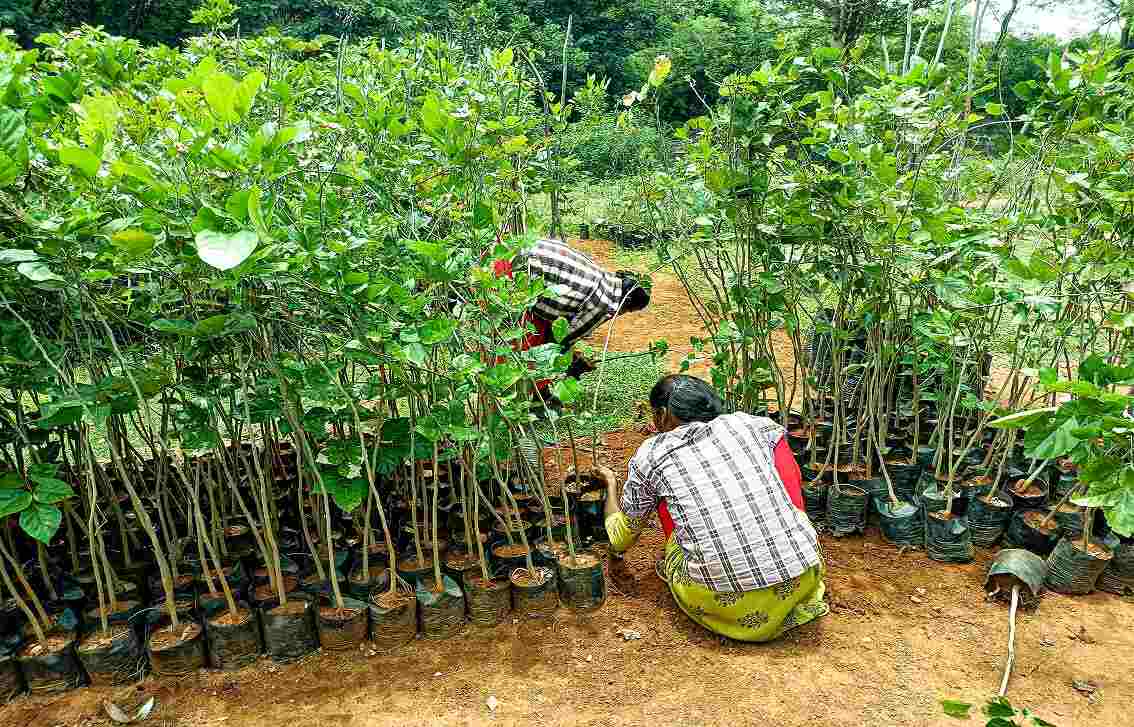
The Tamil Nadu Urban Greening Policy is not only about planting trees but about improving urban life. Green spaces provide recreation, reduce stress and encourage community interaction. They also create habitats for birds and small wildlife, making cities more vibrant and diverse.
By placing urban ecology at the centre of planning, Tamil Nadu is sending a clear message that development and environmental protection can go together. The policy recognises that sustainable cities must balance economic growth with ecological health.
With strong institutional mechanisms, clear targets and scientific monitoring, the Tamil Nadu Urban Greening Policy sets a structured path for building greener and more climate resilient cities. As implementation begins across Urban Local Bodies, the success of this initiative will depend on active participation from government agencies, local communities and citizens who share the vision of a greener Tamil Nadu.