Oxford Museum Returns Tirumankai Bronze After Provenance Probe

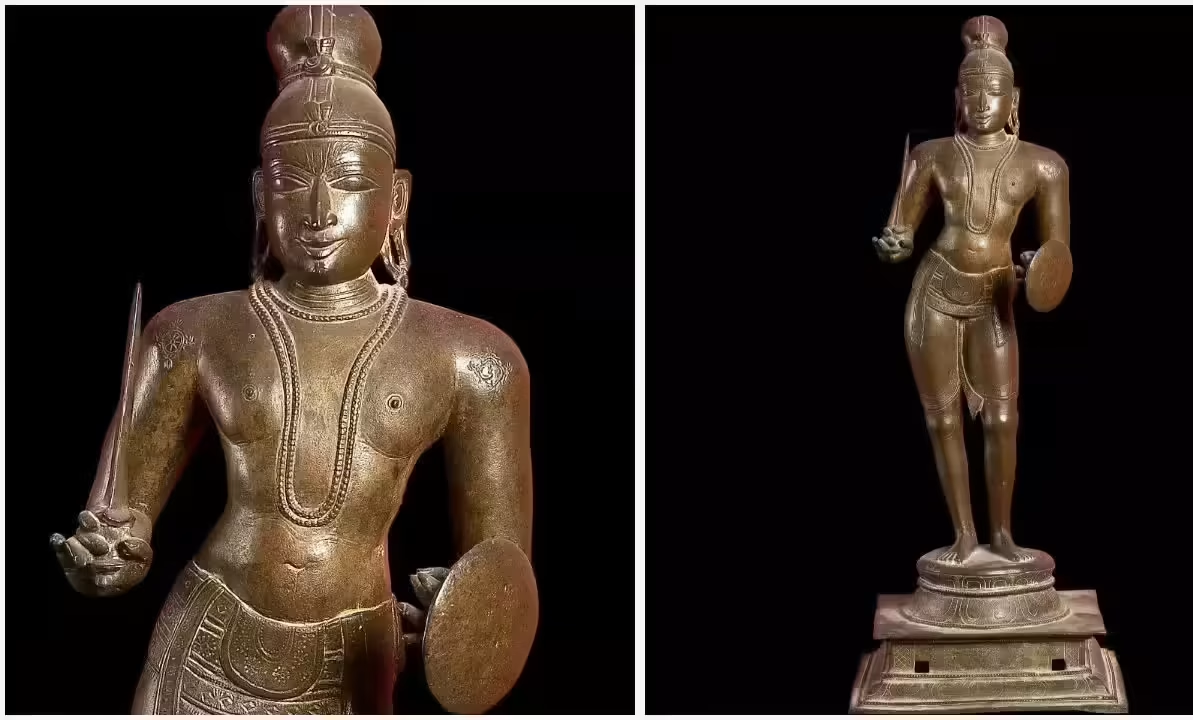
Oxford Museum Returns Tirumankai Bronze as the Ashmolean Museum at the University of Oxford prepares to send back a historic 16th-century bronze statue of Saint Tirumankai Alvar to India. The sculpture, originally from a temple in Tamil Nadu, had been part of the museum’s collection since 1967.
Thank you for reading this post, don't forget to subscribe!The decision to return the statue follows detailed research that traced the artefact to its original temple location in southern India. This move reflects growing global efforts to return cultural objects to their countries of origin when evidence suggests they were removed under questionable circumstances.
Origin of the Bronze Statue
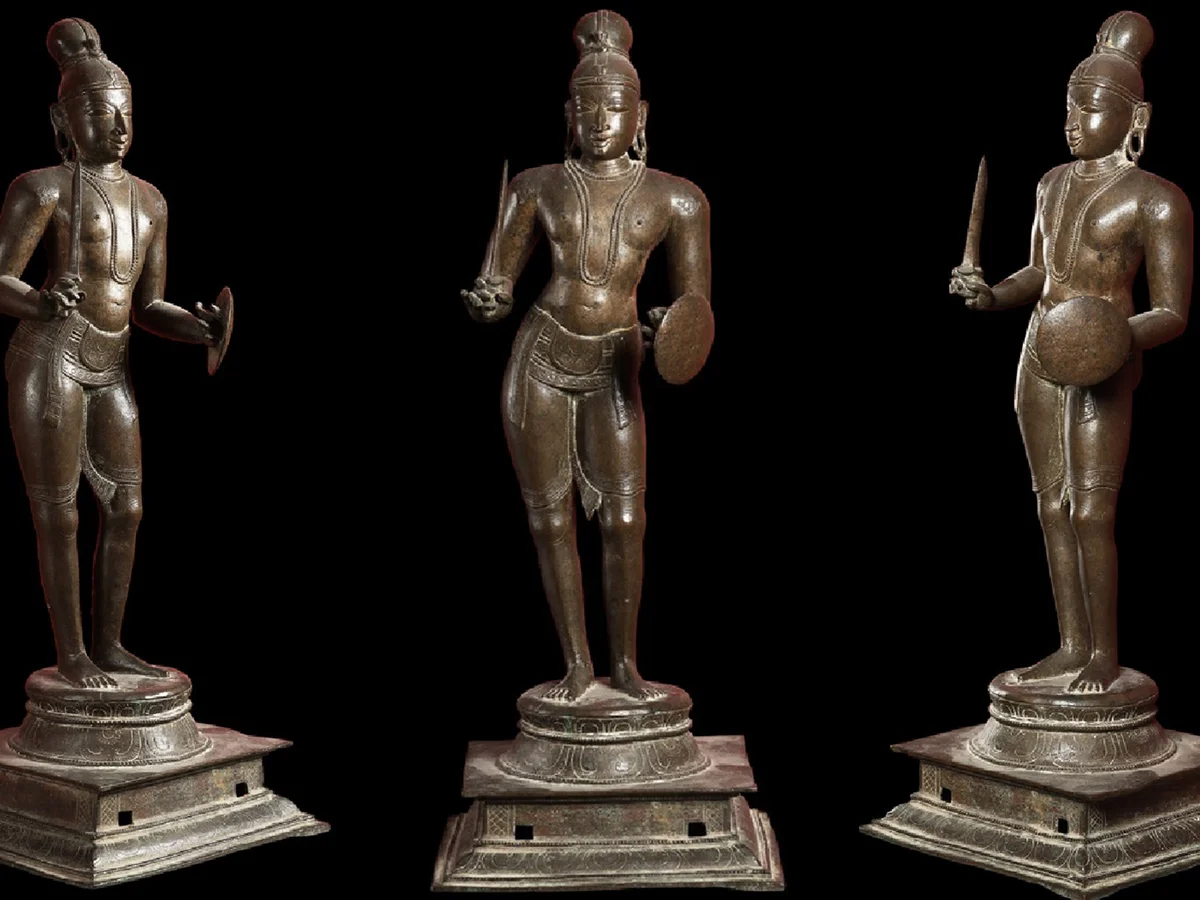
The bronze statue depicts Tirumankai Alvar, one of the twelve Alvar saints revered in the Vaishnavite tradition of Hinduism. These saints were poet-devotees who played a key role in spreading devotion to Lord Vishnu through spiritual hymns and teachings during the Bhakti movement.
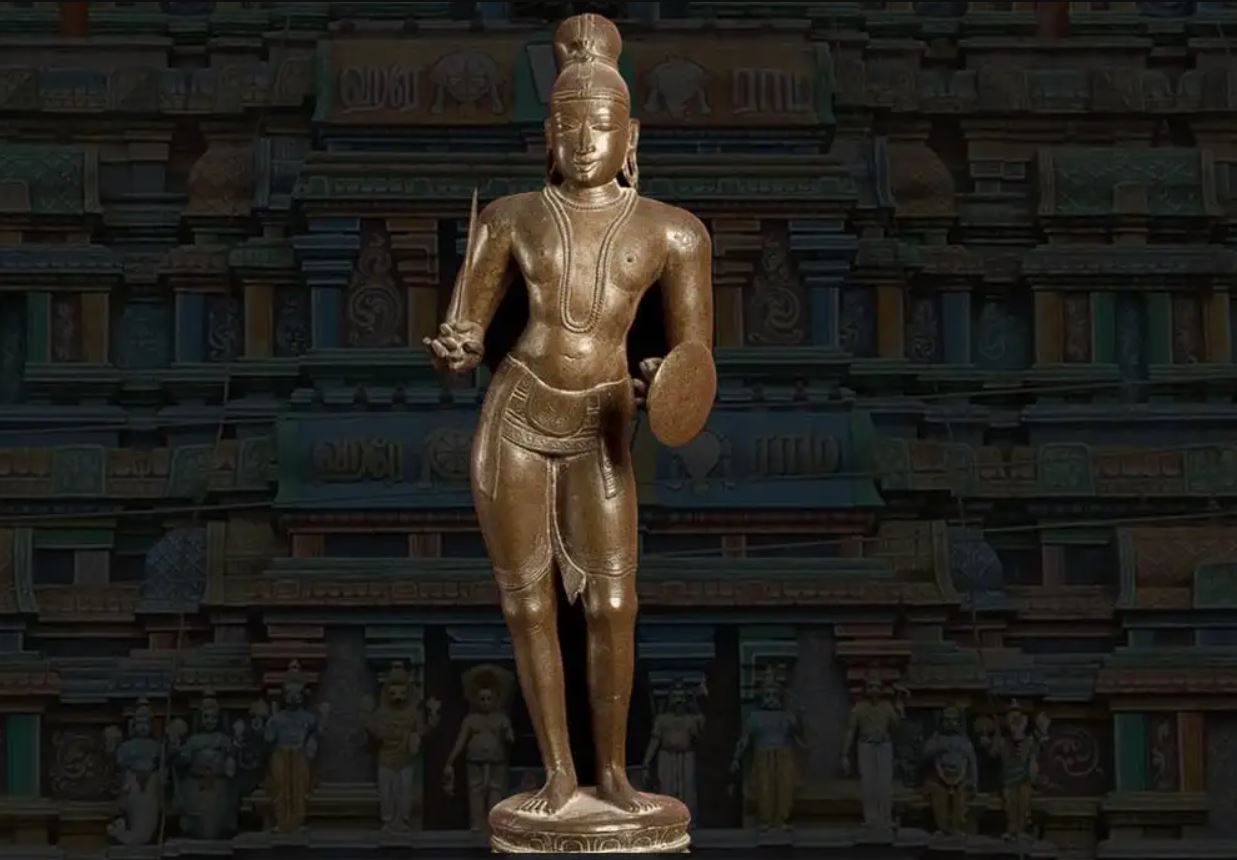
The idol originally belonged to the Soundararajaperumal Temple in Tamil Nadu. Temple bronzes like this one are traditionally used in religious ceremonies and festive processions.
Crafted using traditional South Indian bronze-casting techniques, the statue stands about 57.5 centimetres tall and dates back to the 16th century. Apart from its artistic value, the sculpture holds deep religious significance for devotees.
How the Statue Reached the Ashmolean Museum
The Ashmolean Museum acquired the bronze statue in 1967 from a private collector, Dr. J. R. Belmont. At the time, the museum believed the purchase was legitimate. However, the exact details of how the artefact entered the collector’s possession remained unclear.
In 2019, a French scholar discovered a 1957 photograph showing the same statue inside the Soundararajaperumal Temple. This discovery raised questions about the statue’s provenance and whether it had been removed from the temple without proper authorization.
Following this finding, the museum began an internal investigation to trace the artefact’s history and confirm its origin.
India’s Claim and Provenance Investigation
After the provenance concerns surfaced, the Ashmolean Museum contacted the High Commission of India in the United Kingdom in December 2019 to discuss the issue.
In February 2020, the temple’s executive officer filed a police complaint stating that the original bronze statue had been replaced with a replica. Soon after, the Indian High Commission formally requested the return of the artefact.
At the request of the Archaeological Survey of India, the museum carried out scientific metal analysis of the statue. The results supported evidence linking the bronze to the Tamil Nadu temple, strengthening India’s claim.
Growing Efforts to Repatriate Cultural Artefacts
The decision in which Oxford Museum Returns Tirumankai Bronze highlights a broader global movement focused on returning cultural heritage objects to their rightful homes.
Museums and cultural institutions around the world are increasingly reviewing the origins of artefacts in their collections. These investigations aim to ensure that objects were not taken illegally or removed during periods of colonial rule or illicit trade.
Officials at the Ashmolean Museum have stated that the institution is committed to responsible collecting practices and transparent provenance research. The return of the Tirumankai Alvar statue represents cooperation between scholars, museum authorities, and the Indian government to restore a culturally important artefact to its original setting.