


Dhordo Solar Village Gujarat: A Model for Sustainable Rural Development

Dhordo Solar Village Gujarat Achieves 100% Solar Power Status
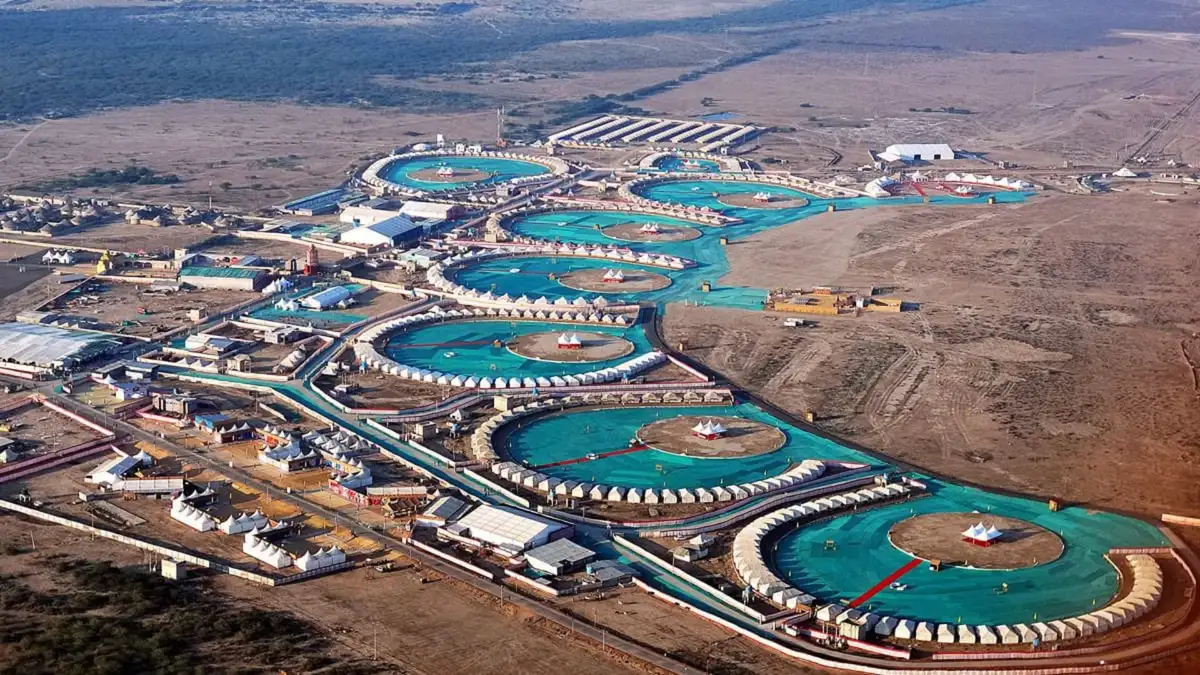
Dhordo Solar Village Gujarat, located in the Kutch district, has made history by becoming a fully solar-powered village. Globally recognised by the United Nations World Tourism Organisation (UNWTO) as the ‘Best Tourism Village’, Dhordo now stands as a symbol of India’s progress in clean energy. With this achievement, Dhordo joins three other solar villages in Gujarat Modhera, Sukhi, and Masali solidifying the state’s leadership in renewable energy transformation. Prime Minister Narendra Modi is scheduled to dedicate this milestone on 20 September during the ‘Samudra Se Samriddhi’ event in Bhavnagar, highlighting Gujarat’s commitment to sustainability.
Dhordo Solar Village Gujarat and the PM Surya Ghar Muft Bijli Yojana
Under the PM Surya Ghar Muft Bijli Yojana, Dhordo Solar Village Gujarat has equipped every household with rooftop solar panels. The initiative covers all 81 homes, generating a combined 177 kilowatts of clean electricity. This project aims to produce nearly 2.95 lakh units of power annually, ensuring that each household meets its electricity needs independently. The surplus energy generated is sold back to the power grid, providing villagers with additional income while contributing to India’s renewable energy capacity.
This solar initiative is not just about electrification it’s about empowerment. With zero dependence on traditional power sources, Dhordo has emerged as a beacon of self-reliance and innovation, showcasing how government schemes can transform rural life.
Economic Benefits for Villagers in Dhordo Solar Village Gujarat
The transformation of Dhordo Solar Village Gujarat has brought tangible economic benefits to its residents. Each household is expected to save approximately ₹16,064 per year on electricity costs. When combined with income earned from selling surplus power, the total annual financial benefit for the entire village is estimated to exceed ₹13 lakh.
These savings directly improve the villagers’ quality of life, allowing them to invest more in education, healthcare, and livelihood development. Government subsidies and accessible bank loans have made this transition affordable and inclusive. By promoting energy independence, Dhordo has turned renewable energy into a source of economic growth and stability for its people.
Dhordo Solar Village Gujarat and Gujarat’s Renewable Energy Leadership
Dhordo Solar Village Gujarat represents yet another step in Gujarat’s journey toward clean energy excellence. Following the success of Modhera, India’s first fully solar-powered village, the state has continued to expand its green initiatives to more rural areas. Gujarat has consistently set national benchmarks in renewable energy through investments in solar parks, wind farms, and rooftop solar programs.
This latest achievement further cements Gujarat’s reputation as a leader in sustainable development. With vast desert landscapes ideal for solar projects, Kutch and other regions have become hubs for renewable energy production, contributing significantly to India’s mission of achieving net-zero emissions by 2070.
Community Transformation Through Solar Power in Dhordo Solar Village Gujarat
The success of Dhordo Solar Village Gujarat is not just about technology it’s about community transformation. The initiative has empowered villagers by reducing their dependence on costly electricity and fossil fuels. Sarpanch Miyan Hussain attributes this progress to visionary leadership at both the central and state levels.
Residents of Dhordo now experience uninterrupted electricity, better living conditions, and a sense of pride in contributing to the nation’s green transition. The solarisation of homes has also enhanced tourism in Dhordo, already famous for hosting the Rann Utsav, by adding another layer of eco-friendly appeal for visitors from around the world.
Environmental Impact of Dhordo Solar Village Gujarat
The environmental significance of Dhordo Solar Village Gujarat is immense. By fully transitioning to solar energy, the village drastically reduces its carbon footprint and dependence on non-renewable resources. The clean energy generated replaces conventional electricity sources that contribute to greenhouse gas emissions, aligning perfectly with India’s climate action goals under the Paris Agreement.
This initiative is a step toward creating a sustainable ecosystem in which rural development goes hand-in-hand with environmental preservation. The project’s success story serves as inspiration for other regions, encouraging more villages to adopt renewable energy and move toward a greener, cleaner future.
Dhordo Solar Village Gujarat: A Global Example of Green Innovation
The recognition of Dhordo by the UNWTO as the ‘Best Tourism Village’ is a testament to its holistic development model, where sustainability, culture, and tourism coexist harmoniously. The solar transformation not only reduces the village’s carbon emissions but also enhances its global image as a destination of eco-conscious tourism.

By blending traditional desert life with modern technology, Dhordo has achieved what few rural areas in the world have managed a perfect balance between environmental sustainability and economic prosperity. The village now stands as a global example of how renewable energy can transform even the most remote locations into thriving, sustainable communities.
Future Prospects of Dhordo Solar Village Gujarat
The success of Dhordo Solar Village Gujarat is expected to encourage the replication of similar models across India. The state government’s proactive policies and the central government’s push for the PM Surya Ghar Muft Bijli Yojana are paving the way for widespread adoption of solar power in rural areas.
Experts believe that Gujarat could soon lead the nation in village-level renewable energy adoption, helping India achieve its National Solar Mission targets. The model not only supports climate resilience but also strengthens rural economies and empowers citizens through clean energy.