Brazil Forest Conservation Fund: Brazil Leads Global Investment in Tropical Forests Forever Facility (TFFF)

Brazil Forest Conservation Fund has taken a pioneering step toward global environmental protection as Brazil becomes the first country to invest in the Tropical Forests Forever Facility (TFFF). This groundbreaking multilateral fund is designed to conserve endangered tropical forests across the globe through sustainable financial incentives. The official announcement is expected at a high-level United Nations event in New York, highlighting Brazil’s leadership in environmental diplomacy. The move aims to attract contributions from both developed and developing nations, making the TFFF a cornerstone of international cooperation. The fund is also anticipated to serve as a flagship achievement for Brazil during COP30, the U.N. climate summit it will host in Belem, November 2025.
Thank you for reading this post, don't forget to subscribe!Background of the Brazil Forest Conservation Fund and the TFFF
The Tropical Forests Forever Facility (TFFF) represents a visionary shift in how the world finances forest preservation. Envisioned as a $125 billion endowment-style fund, it seeks to combine public and private capital to reward countries that maintain and protect their tropical forest cover. Unlike conventional environmental funds that rely on short-term grants or loans, the TFFF introduces a long-term incentive model, providing annual payments to nations based on the area of forest that remains intact.
This structure ensures sustainability by creating an ongoing financial reward for conservation efforts. The goal is to transform standing forests into valuable economic assets rather than land waiting for deforestation-driven development. The Brazil Forest Conservation Fund plays a central role in advancing this mechanism by establishing Brazil’s financial commitment and leadership.
Brazil’s Leadership and Initial Investment in the TFFF
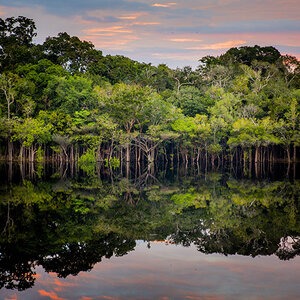
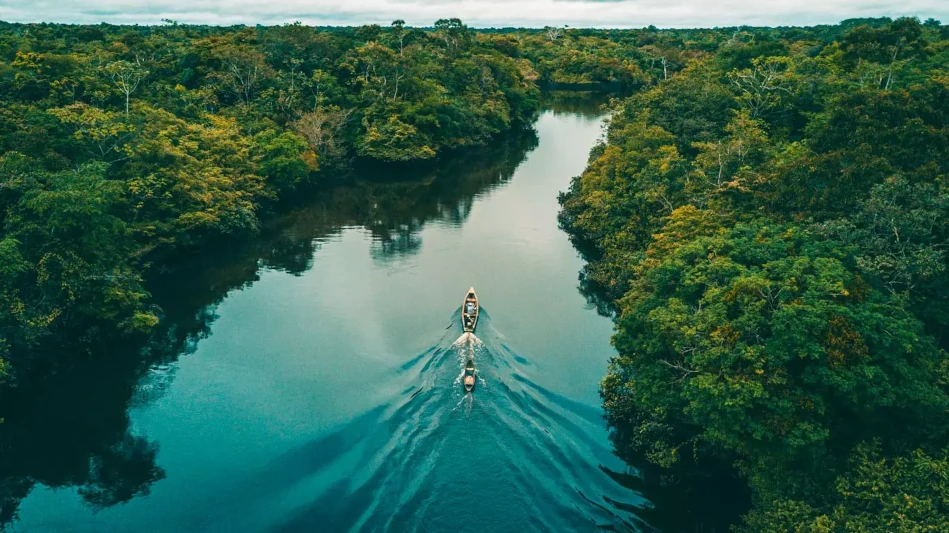
Under the banner of the Brazil Forest Conservation Fund, Brazil’s government plans to make a substantial initial investment in the TFFF. This decision sends a strong message to the international community about Brazil’s seriousness in tackling climate change and biodiversity loss. Hosting the world’s largest tropical forest the Amazon, Brazil is not only a major beneficiary of such conservation programs but also a moral leader in ensuring global environmental balance.
The Brazilian government’s decision to invest first demonstrates confidence in the fund’s structure and governance. It aims to motivate other tropical forest nations, including Indonesia and the Democratic Republic of Congo, to participate. Furthermore, it sets a benchmark for financial responsibility, showing that developing nations can take proactive roles in environmental preservation rather than waiting solely for external aid.
This strategic move is also politically symbolic, coming at a time when Brazil seeks to reassert global influence in climate negotiations. The Brazil Forest Conservation Fund ensures that the nation’s environmental policies align with both domestic interests and international sustainability commitments.
International Contributions and Global Collaboration
The Tropical Forests Forever Facility has already garnered strong international interest. China has confirmed its intent to be among the first contributors marking a major shift in climate finance dynamics. Traditionally, wealthy Western nations have shouldered most of the responsibility for climate-related funding, but this new multilateral cooperation shows a more inclusive global approach.
In addition to China, countries such as the United Kingdom, France, Germany, Norway, Singapore, and the United Arab Emirates have expressed support. Collectively, these early commitments are expected to provide an initial $25 billion, forming the seed capital needed to attract a further $100 billion in private-sector investments.
Through the Brazil Forest Conservation Fund, Brazil is not only catalyzing these international contributions but also bridging North-South divides in global climate politics. The fund demonstrates that countries in the Global South can lead by example, encouraging wealthier nations and private investors to contribute equitably.
Funding Mechanism and Financial Goals of the Brazil Forest Conservation Fund
The Brazil Forest Conservation Fund, through the TFFF, operates with a two-tier funding approach. The first stage involves $25 billion in public and philanthropic contributions. This initial pool serves as a trust anchor, assuring investors of long-term stability. The second stage aims to mobilize $100 billion from private institutions, including corporations, green investors, and impact funds.
The TFFF’s financial model is designed to generate annual, performance-based disbursements to countries maintaining significant forest coverage. This model effectively turns forest conservation into a profitable, measurable outcome, rewarding nations that sustain or increase their forest areas. It also encourages the creation of jobs linked to sustainable forestry, ecotourism, and carbon-credit trading.
By connecting financial incentives directly to environmental integrity, the Brazil Forest Conservation Fund supports not just forest preservation but also the social and economic development of communities that depend on these ecosystems.
Significance for Global Climate Policy and Future Sustainability
The establishment of the Brazil Forest Conservation Fund under the TFFF is more than a financial initiative it represents a paradigm shift in global climate policy. For decades, climate finance has been dominated by pledges and grants that often failed to reach intended beneficiaries or lacked transparency. The TFFF’s results-based and transparent structure offers a credible alternative.
This initiative also helps bridge the trust gap between developed and developing nations. By allowing countries to earn funds based on measurable conservation outcomes, it fosters a sense of fairness and accountability. Moreover, it positions tropical forest nations like Brazil at the heart of the global climate solution, rather than as peripheral participants.
Environmental experts believe that if successfully implemented, the Brazil Forest Conservation Fund could reshape global environmental governance. It would highlight the economic value of forests as global assets that contribute to carbon sequestration, biodiversity, and rainfall regulation.
As COP30 in Belem approaches, Brazil’s proactive engagement with the Tropical Forests Forever Facility could inspire similar models for ocean protection, reforestation, and biodiversity restoration. The world will be watching closely as Brazil turns this ambitious idea into action, demonstrating that sustainable finance and ecological stewardship can coexist for the benefit of the planet.