
Greenland Defence Pact Signed

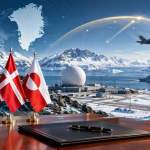
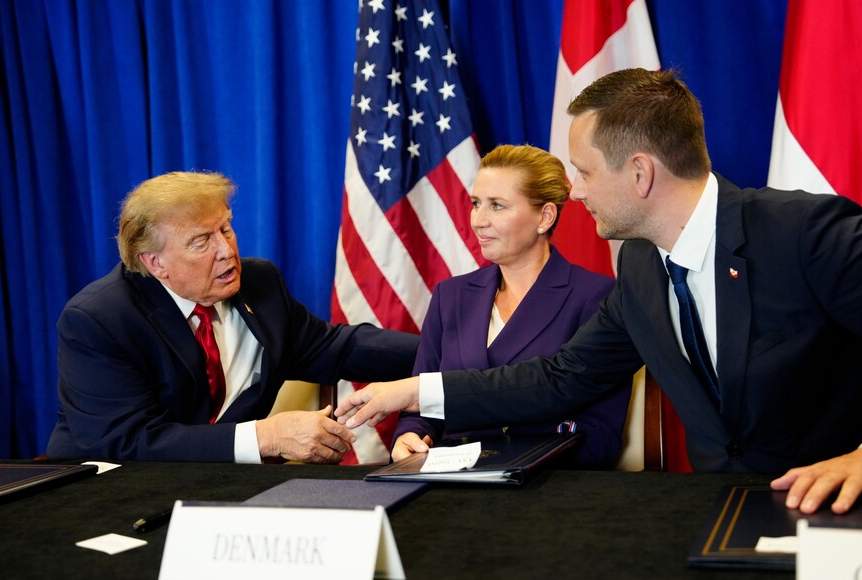
Greenland Defence Pact was signed by the United States, Denmark and Greenland on September 22, 2026, at the United Nations General Assembly in New York. US President Donald Trump, Danish Prime Minister Mette Frederiksen and Greenland Premier Jens-Frederik Nielsen signed the agreement, which updates the long-standing 1951 US-Danish defence agreement covering Greenland. The new pact expands US military access while reaffirming Denmark’s sovereignty and Greenland’s right to self-determination.
Thank you for reading this post, don't forget to subscribe!Greenland Defence Pact Expands US Military Presence
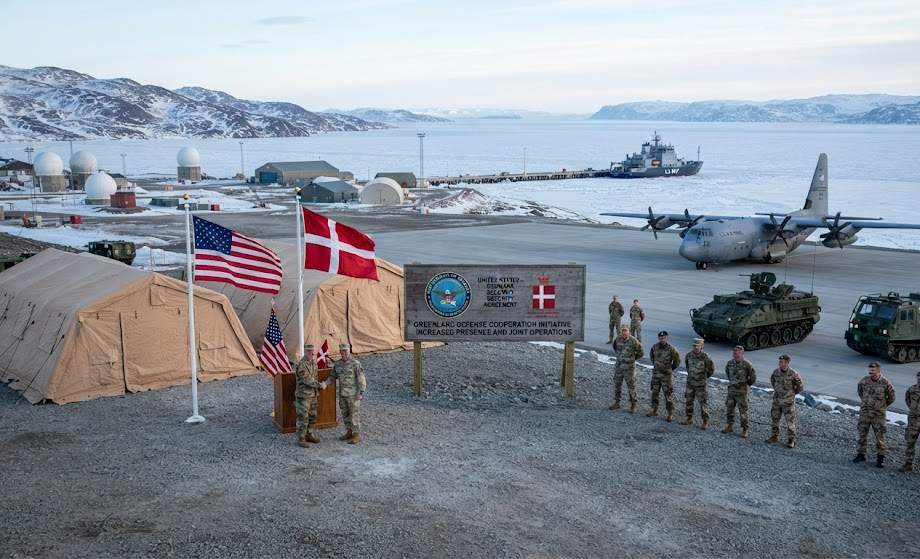
The new agreement allows the United States to modernise and expand its activities at Pituffik Space Base in north-western Greenland. It also provides for additional US defence areas at Narsarsuaq in southern Greenland and Mestersvig on the east coast.
The agreement describes these locations as defence areas and allows the parties to work out the technical details of their establishment. It also leaves open the possibility of creating additional defence areas in Greenland through consultation and mutual agreement.
Narsarsuaq was previously used by the US military during the Cold War. Mestersvig is currently associated with Denmark’s Sirius Dog Sled Patrol. The agreement therefore brings renewed attention to military infrastructure in different parts of the Arctic island.
US Gets Wider Access Across Greenland
One of the important parts of the Greenland Defence Pact concerns US military access. Under the agreement, US aircraft can fly over and land in Greenland, while US public vessels receive rights to move through Greenland’s territorial waters, subject to the terms set out in the agreement.
US forces will also have access between defence areas by land, air and sea. The agreement provides for undersea access by US public vessels as well. These arrangements are intended to support the defence of the North Atlantic Treaty area, Greenland and the American continent.
The agreement also says that these activities should respect Greenlandic society and traditional activities such as hunting and fishing as far as possible.
Arctic Security and NATO
The pact places Greenland within a wider discussion about Arctic security. The Arctic has gained greater strategic importance because of its location, changing access to northern routes and growing military and economic interest in the region.
The agreement calls for stronger NATO engagement in the Arctic, including planning, military presence, exercises and joint intelligence gathering. Denmark has also committed to strengthening its Arctic security posture through land, maritime, air and space capabilities.
The United States, Denmark and Greenland have been working within the NATO framework for decades. The new agreement adds another layer to that defence cooperation at a time when Arctic security is receiving greater attention from NATO members.
Denmark’s Sovereignty and Greenland’s Self-Determination
The agreement specifically reaffirms the sovereignty and territorial integrity of the Kingdom of Denmark. At the same time, it recognises that the people of Greenland have a right to self-determination under international law.
This is significant because Greenland is a self-governing territory within the Kingdom of Denmark. Its government manages many domestic matters, while Denmark remains responsible for areas including foreign affairs and defence.
The agreement also includes provisions for a possible future change in Greenland’s political status. If Greenland becomes independent through its existing self-determination process, the agreement says the new Greenlandic state would be expected to remain in NATO and take on the relevant rights and obligations under the defence arrangements.
Restrictions on Non-NATO Military Presence
The Greenland Defence Pact also contains provisions concerning other countries’ military activities on the island.
Under the agreement, a state that is not a NATO member cannot establish its own manned or unmanned military installations in Greenland or maintain a persistent military presence there unless the parties agree otherwise.
The pact also addresses foreign investment in particularly sensitive sectors. States or investors from countries that are not NATO members, NATO partners or EU member states would be restricted from gaining control, significant influence or access to certain non-public information where this could create a national-security or public-order threat.
These provisions connect military security with infrastructure, investment and control of sensitive activities in Greenland.
Pact Updates the 1951 Defence Agreement
The new agreement does not replace the entire defence relationship between the United States and Denmark. Instead, it amends and supplements the 1951 US-Danish Defence Agreement on Greenland.
The 1951 agreement has provided the main legal framework for US military access to Greenland for decades. Additional arrangements were added in later years, including the 2004 Igaliku Agreement and agreements concerning military activities and facilities.
The 2026 pact builds on this existing framework and introduces new provisions for defence areas, military access, NATO cooperation and security around sensitive activities.
Agreement Has No End Date
Another important feature is the long-term nature of the Greenland Defence Pact. The agreement does not have an end date and can be amended only through mutual consent under the procedures connected to the 1951 agreement.
However, signing the agreement does not immediately bring it into force. The text states that it will take effect after the United States receives a diplomatic note confirming that the necessary parliamentary procedures in Denmark and Greenland have been completed.
This means the next stage will involve the required domestic approval processes before the new arrangements become legally effective.
Greenland’s Role in the Arctic
Greenland’s geographic position makes it important to the security of the North Atlantic and Arctic regions. The island lies between North America and Europe and is close to important air and sea routes.
Pituffik Space Base already supports US defence and space-related activities. The expanded arrangements at Pituffik, together with proposed defence areas at Narsarsuaq and Mestersvig, will give the United States additional locations from which to operate in the region.
The pact also comes after months of political tension surrounding Greenland’s strategic position and US interest in the territory. Reuters reported that the agreement was intended to ease the tensions that had developed between the United States, Denmark and Greenland.
New Phase of US-Denmark-Greenland Cooperation
The September 22 agreement brings defence, NATO cooperation, military access and investment security into a single updated framework. It also provides Greenland with a formal role alongside Denmark and the United States in the revised defence arrangements.
The document links the future of the agreement to Greenland’s political status, while maintaining the existing Danish sovereignty framework and expanding cooperation on Arctic security.