

Delhi Air Pollution Returns

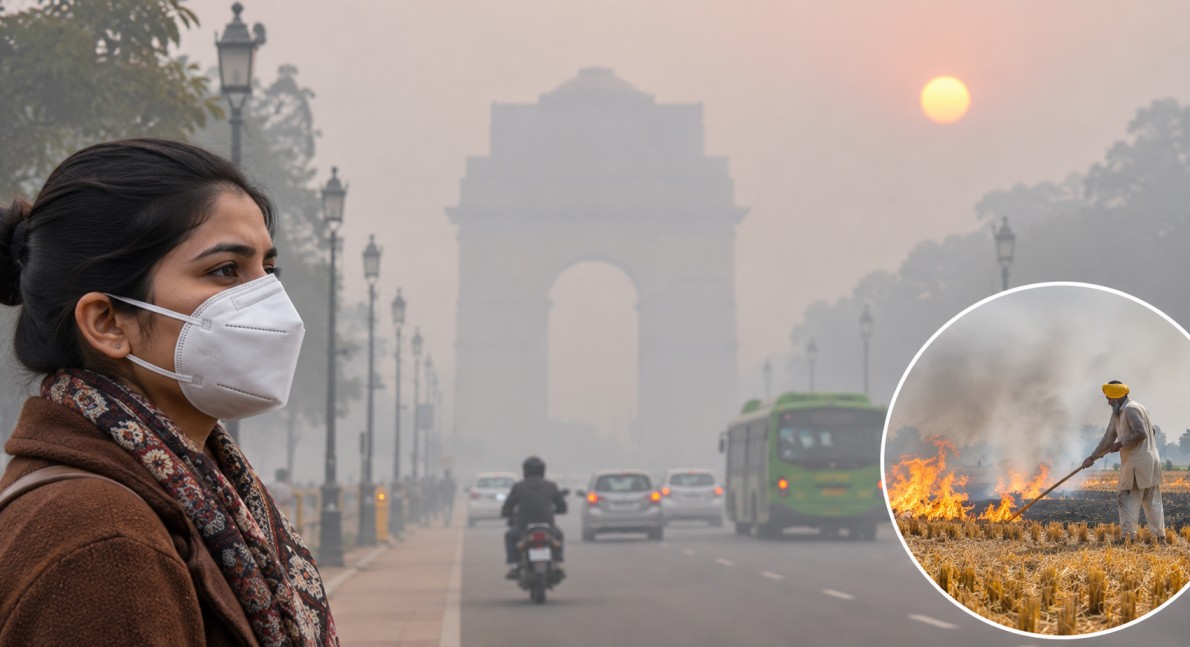
Delhi Air Pollution is becoming a major concern again as winter approaches in India’s capital. A thick layer of smog has started covering parts of Delhi, reducing visibility and making it difficult for residents to breathe comfortably. People are reporting eye irritation, coughing and breathing problems as pollution levels rise.
Every year, Delhi and the surrounding National Capital Region (NCR) face a serious air pollution problem during the winter months. Falling temperatures, slow winds and emissions from different sources allow harmful particles to remain close to the ground. Despite several government measures, the city continues to struggle with poor air quality.

Why Does Air Pollution Increase in Delhi During Winter?
Delhi experiences some of its worst air quality during the colder months. One major reason is the change in weather conditions. During winter, lower temperatures and slower wind speeds make it difficult for pollutants to spread into the atmosphere.
Several sources contribute to the problem. Smoke from crop residue burning in neighbouring states adds to pollution from vehicles, factories, construction activities and road dust. Waste burning and the use of coal and firewood also release harmful substances into the air.
Firecrackers used during festivals can make the situation worse by adding smoke and fine particles to an already polluted atmosphere.
These sources combine with unfavourable weather conditions, creating the thick smog that has become familiar to Delhi residents.
Delhi Government Introduces Winter Action Plan
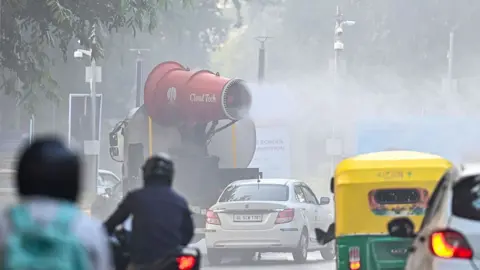
The Delhi government has introduced a Winter Action Plan for the period from November 1, 2026, to February 28, 2027. The plan aims to control pollution before air quality reaches extremely dangerous levels.
The government has announced several measures to reduce emissions from transport, construction and other activities.
Some important steps include:
- Restrictions on the entry of older and more polluting vehicles registered outside Delhi.
- Fuel restrictions for vehicles without valid pollution-under-control certificates.
- Temporary bans on certain dust-producing construction and demolition activities.
- Encouragement for private offices to allow employees to work from home.
- Staggered working hours for government employees.
- Higher parking charges to discourage unnecessary private vehicle use.
- Greater promotion of public transport and electric vehicles.
- Stronger pollution monitoring and enforcement.
These steps are intended to reduce the amount of pollution released into the city’s air. However, their success will depend on how strictly the rules are followed.
GRAP Restrictions Also Come Into Force
Along with the Delhi government’s Winter Action Plan, the Graded Response Action Plan (GRAP) provides additional measures to control pollution.
GRAP is managed by the Commission for Air Quality Management (CAQM). It introduces restrictions in different stages depending on the level of air pollution.
As pollution increases, stricter measures can be introduced. These may include restrictions on diesel generators, the use of coal and firewood, construction activities and certain vehicles.
The purpose of GRAP is to respond to worsening air quality through planned actions rather than waiting until pollution reaches an extreme level.
However, experts have pointed out that announcing restrictions is not enough. Authorities must ensure that the rules are properly implemented across Delhi and neighbouring areas.
Pollution Comes From More Than Vehicles and Crop Burning
Vehicle emissions and crop residue burning receive considerable attention during Delhi’s pollution season. However, experts say the problem has several other sources.
Industrial emissions, power generation, brick kilns, road dust and the burning of urban waste also contribute to poor air quality.
Another important issue is secondary pollution. This happens when gases released into the atmosphere react with sunlight, water vapour and other substances to form harmful particles.
These particles can remain in the air and increase the overall pollution level. This means that controlling visible smoke alone cannot solve Delhi’s air pollution problem.
A wider plan is needed to reduce emissions from transport, industries, power plants, construction and waste management.
Why Delhi Needs Support From Neighbouring States
Delhi’s air pollution problem does not stop at the city’s borders. Pollutants can travel from neighbouring states and other parts of northern India, especially when weather conditions prevent them from dispersing.
Crop residue burning in Punjab, Haryana and other nearby regions is one example of pollution that can affect the wider region.
This makes cooperation between Delhi and neighbouring states extremely important. Each state needs to reduce emissions from its own transport, industries, agriculture and waste management activities.
Experts have also suggested setting clear pollution-reduction targets for different sectors over several years. Such targets could help governments measure progress instead of relying only on temporary winter restrictions.
How Toxic Air Affects Human Health
Air pollution is not just an environmental problem. It is also a serious public health concern.
The Air Quality Index (AQI) is used to communicate the level of air pollution. On India’s scale, an AQI reading between 301 and 400 is classified as very poor, while readings between 401 and 500 are classified as severe.
Fine particles known as PM2.5 are particularly dangerous because they are small enough to travel deep into the lungs. Some particles can enter the bloodstream and affect other parts of the body.
According to health experts, exposure to polluted air can cause:
- Coughing and throat irritation.
- Eye irritation and breathing discomfort.
- Wheezing and shortness of breath.
- Worsening of asthma and other lung conditions.
- Increased risks for people with existing heart and respiratory diseases.
Children, older adults and people with existing health conditions can be especially vulnerable.
A 2025 report by the Energy Policy Institute at the University of Chicago estimated that air pollution could reduce life expectancy in Delhi by up to 8.2 years. This estimate highlights the long-term impact of exposure to polluted air.
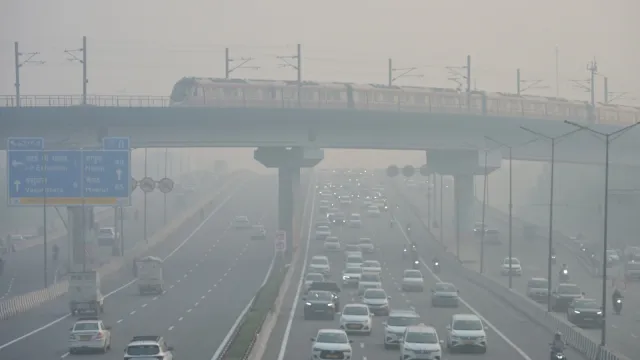
Daily Life Becomes Difficult for Delhi Residents
The return of winter smog affects more than people’s health. It also changes everyday life across Delhi and the NCR.
Many families use indoor air purifiers to reduce exposure to polluted air. People travelling outdoors often wear masks, while some residents keep their windows closed during periods of poor air quality.
Traffic restrictions can also affect daily travel. Delhi is closely connected to neighbouring cities such as Noida and Gurugram. Thousands of people travel between these areas for work and other activities.
Vehicle checks at city borders can create long queues and delays, adding to the difficulties faced by commuters.
For many families, moving away from Delhi is not a practical option because of work, education and other responsibilities.
Can Delhi Break Its Annual Pollution Cycle?
Delhi’s Winter Action Plan is an important attempt to address pollution before the worst conditions arrive. However, experts believe that long-term improvements require more than seasonal restrictions.
Cleaner public transport, better waste management, stricter industrial controls, dust prevention and wider use of cleaner energy can help reduce emissions.
Cooperation between Delhi and neighbouring states will also be necessary because pollution moves across regional boundaries.
The challenge is to make pollution control a continuous priority throughout the year. Without long-term planning and strong enforcement, Delhi may continue to face the same cycle of winter smog, emergency restrictions and public health concerns.