
Israel Election Dispute Deepens

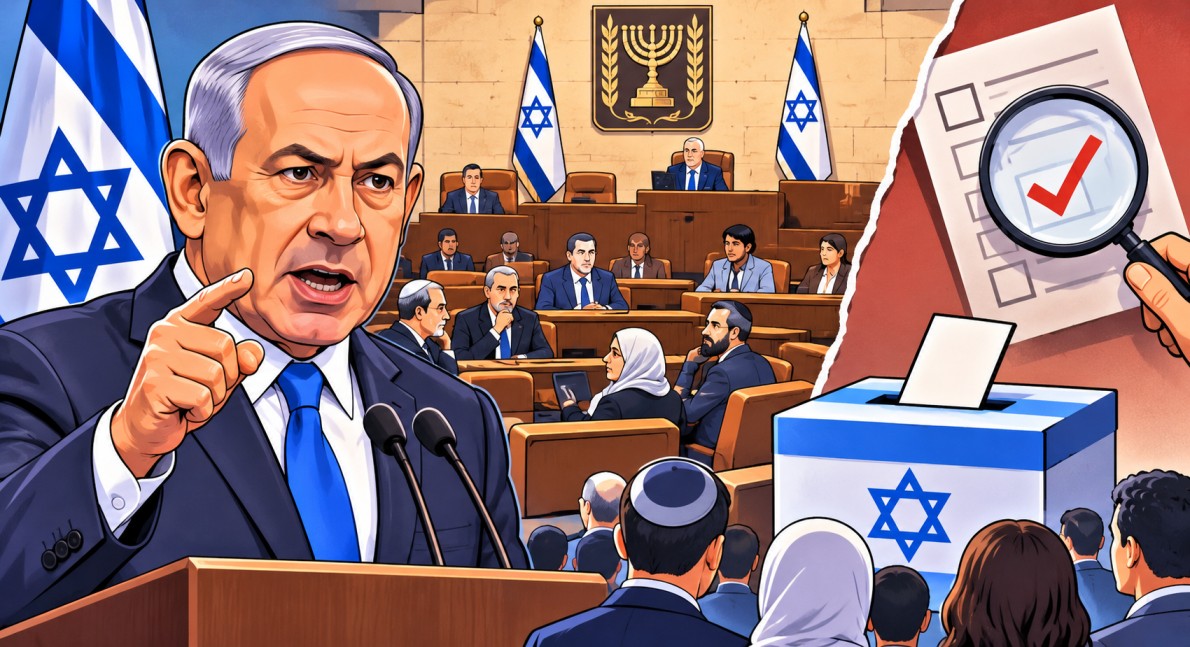
Israel Election Dispute has intensified after Prime Minister Benjamin Netanyahu’s political bloc lost its parliamentary majority in the October 27, 2026, general election. Netanyahu and his allies have questioned the election results and raised allegations of fraud involving Arab-led political parties. However, Israel’s election authorities have rejected claims of widespread voting irregularities and approved the final results.
The election has left Israel facing political uncertainty. Neither Netanyahu’s bloc nor the opposition secured the 61 seats needed for a majority in the 120-member Knesset, Israel’s parliament. The results have also increased the political importance of Arab-led parties, which won a record number of seats.

Netanyahu’s Bloc Falls Short of a Majority
The final results show that Netanyahu’s political bloc won 53 seats, while the opposition bloc led by former military chief Gadi Eisenkot secured 48 seats. The Arab-led Joint List and Ra’am parties won a combined 19 seats.
A party or group of parties needs at least 61 seats to form a majority government in the Knesset. Since neither main bloc reached that number, political leaders must now negotiate with other parties to form a government.
The results represent a major setback for Netanyahu’s coalition, which held 68 seats in the outgoing parliament. The Likud party, led by Netanyahu, remained the largest single party with 27 seats.
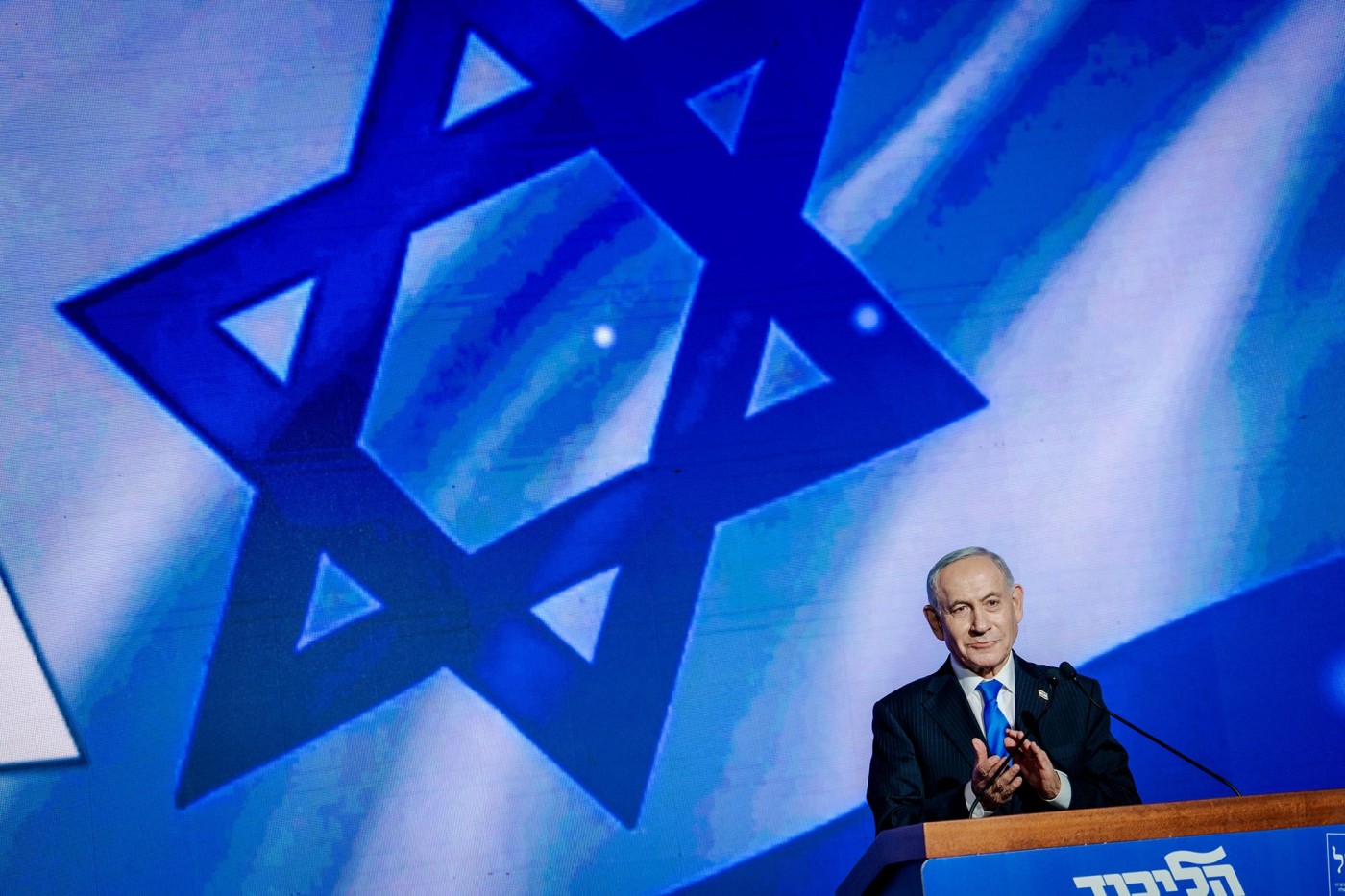
Netanyahu’s Claims of Election Fraud
After the results became clear, Netanyahu and several of his political allies alleged that the election had been affected by fraud, bribery and possible foreign interference.
Their accusations mainly focused on the Arab-led parties, particularly the Joint List and Ra’am. These parties received strong voter support and could influence which political group forms the next government.
Netanyahu’s allies called for investigations and demanded action over alleged irregularities. Some politicians also suggested that the election results should not be accepted until the claims were examined.
However, no publicly presented evidence has established widespread fraud or shown that the overall election result was changed.
Election Authorities Reject Widespread Fraud Claims
Israel’s Central Elections Committee examined the allegations and rejected claims of systematic election fraud. The committee’s chairman, Deputy Supreme Court Chief Justice Noam Sohlberg, also addressed concerns about the election process.
On November 4, the committee approved the final election results. The review found no irregularities that affected the outcome.
Authorities have also discussed a limited investigation into possible foreign interference. However, officials have stressed that such suspicions do not prove that the election was compromised.
Qatar has rejected allegations that it funded Arab-led political parties or tried to influence the election. The claims remain politically sensitive, but they have not been established as facts.
Arab-Led Parties Gain Greater Political Influence
The Joint List and Ra’am won a combined 19 seats, making them important players in the coalition negotiations.
Their increased representation followed strong participation by Arab voters in the election. The result gives these parties greater influence over discussions about the formation of the next government.
The opposition bloc led by Eisenkot has 48 seats. If it receives support from the Arab-led parties, it could reach the required parliamentary majority. However, cooperation remains politically difficult because some opposition leaders have rejected working with these parties.
The debate has brought renewed attention to the role of Arab citizens in Israeli politics and their representation in the national parliament.
Political Tensions Over Cooperation With Arab Parties
Netanyahu and his allies have criticised the possibility of an opposition government depending on Arab-led parties. They have argued against allowing these parties to play a decisive role in government formation.
Opposition leaders have described Netanyahu’s fraud allegations as an attempt to weaken the credibility of the election result. The Joint List has also rejected the accusations, saying that Arab voters have the same democratic rights as other citizens.
The disagreement reflects a wider political divide in Israel over the participation of Arab parties in national government. A previous government formed in 2021 under Naftali Bennett and Yair Lapid included the Ra’am party, showing that such cooperation has happened before.
President Isaac Herzog Begins Government Formation Process
After the election results were approved, Israeli President Isaac Herzog began consultations with political parties to decide who should receive the first opportunity to form a government.
According to reports published on November 5, 67 lawmakers recommended Gadi Eisenkot, while 46 supported Netanyahu. Despite this difference, Herzog said that political divisions and disagreements between parties could make government formation difficult.
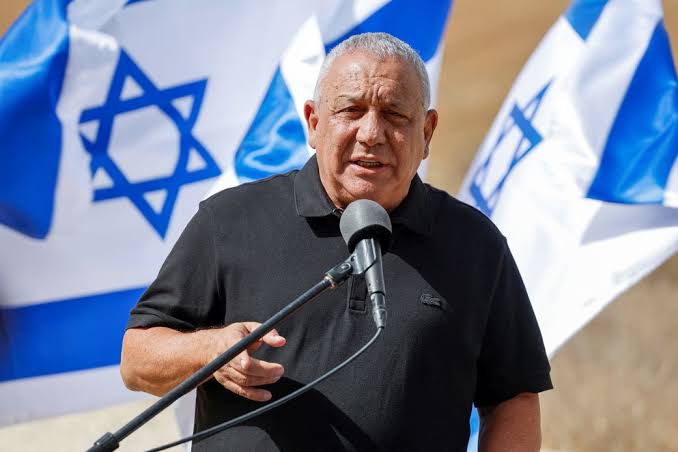
The candidate selected by the president will have 28 days to form a government, with a possible extension of 14 days.
Netanyahu remains caretaker prime minister while the process continues. If no candidate can form a stable government, Israel may have to hold another election.
What the Election Means for Israel’s Political Future
The 2026 election has created a new political situation in Israel. Netanyahu’s bloc remains the largest political group in the current parliamentary arrangement, but it no longer has enough seats to govern without additional support.
The opposition faces its own challenge because several parties disagree about working with Arab-led groups. This means that the final shape of the next government will depend on negotiations, political conditions and possible agreements between parties.
The election dispute has also raised questions about public trust in democratic institutions. The approval of the final results by the Central Elections Committee provides an official outcome, while the ongoing investigations and political arguments continue to influence the country’s political debate.
For now, Israel remains under a caretaker government as President Herzog considers which candidate has the best chance of forming the next coalition.