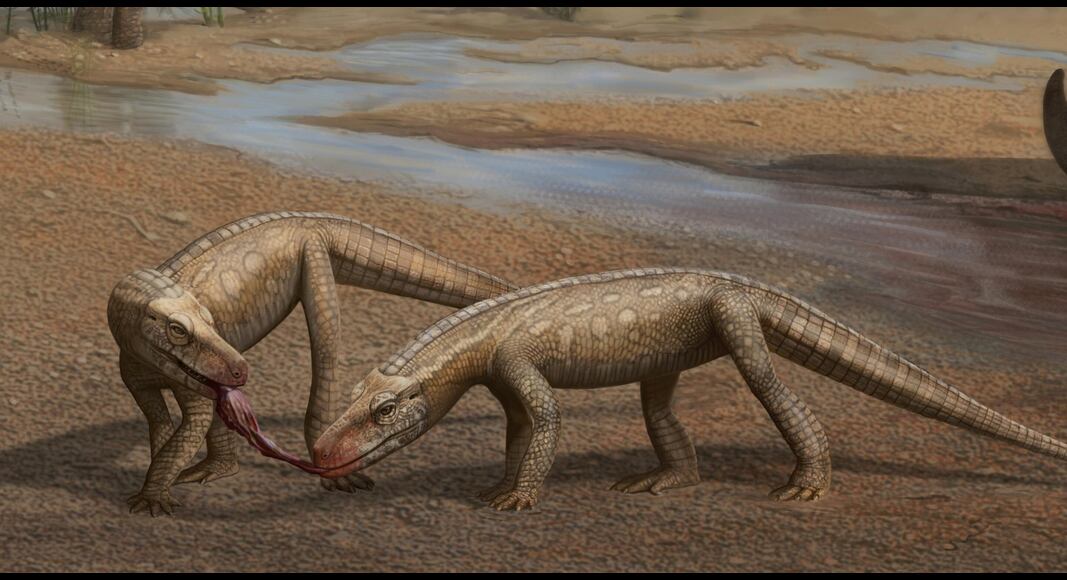
Sonselasuchus Cedrus Discovery: New Ancient Reptile Identified

The Sonselasuchus Cedrus Discovery has revealed a new species of ancient reptile that lived about 225–201 million years ago during the Late Triassic period. Scientists from the University of Washington and the Burke Museum of Natural History and Culture in Seattle identified the species after studying fossil remains discovered in Petrified Forest National Park. This discovery provides valuable information about early archosaurs and the diversity of reptile life that existed alongside the first dinosaurs.
Thank you for reading this post, don't forget to subscribe!Discovery in Arizona’s Petrified Forest National Park
The reptile species has been named Sonselasuchus cedrus. Fossils were uncovered in the fossil-rich region of Petrified Forest National Park, which is known for preserving many prehistoric plants and animals from the Triassic period.
Since 2014, palaeontologists have collected nearly 950 fossil specimens related to this species. The large number of fossils allowed researchers to closely examine its skeletal structure and learn more about how the reptile lived and evolved. The findings highlight the importance of the region in helping scientists understand ancient ecosystems.
Member of the Shuvosaurid Reptile Group
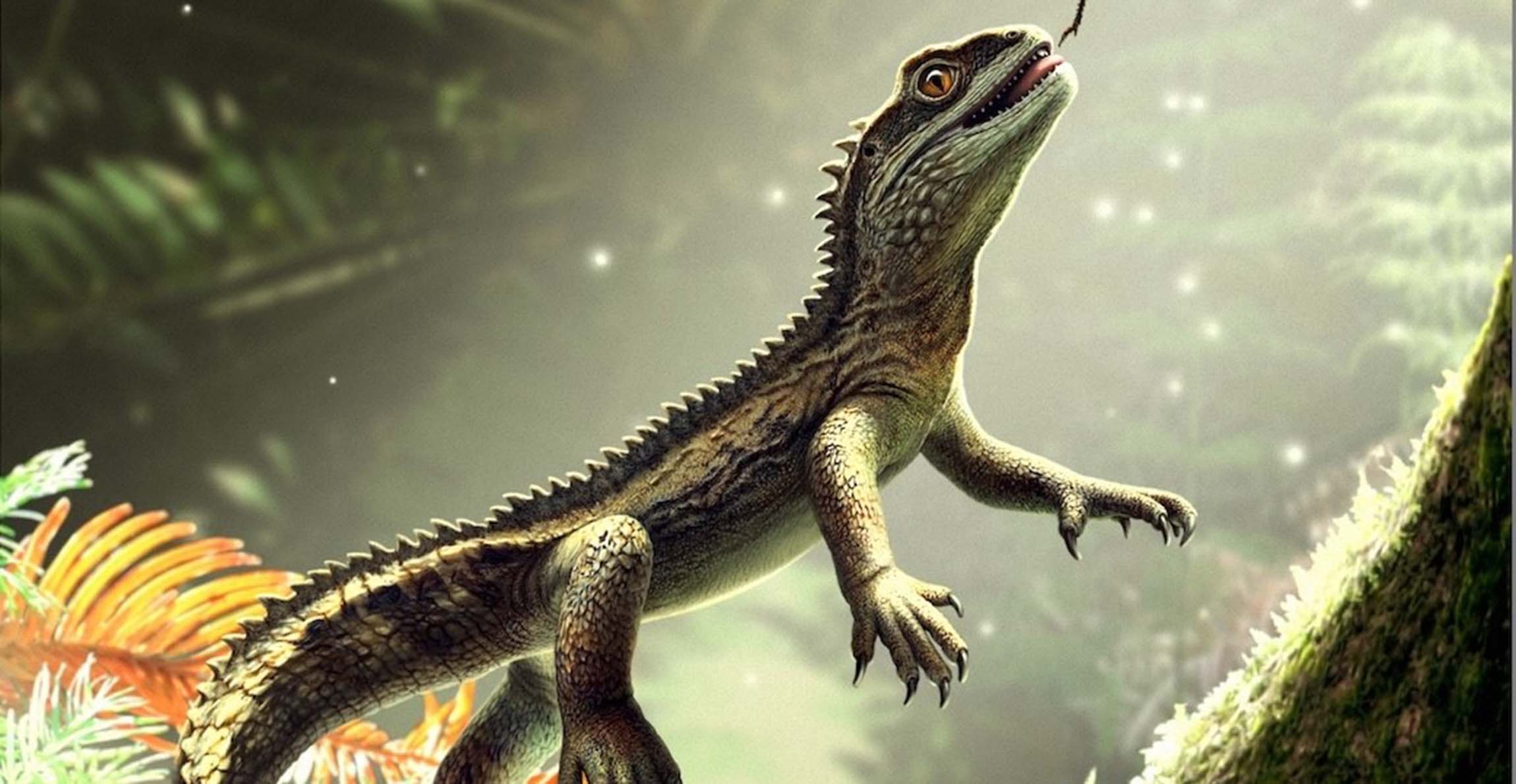
Researchers classified Sonselasuchus cedrus as part of the shuvosaurid group. Shuvosaurids are a group of reptiles within the archosaur lineage that are related to ancient crocodile ancestors. Although they looked similar to certain dinosaurs, they belonged to a different evolutionary branch.
Interestingly, many shuvosaurids had a body shape resembling ornithomimid dinosaurs, which had long legs and bird-like appearances. Despite these similarities, scientists confirmed that these reptiles were not dinosaurs but distant relatives within the broader archosaur family.
Unique Body Features and Bipedal Movement
Studies suggest that Sonselasuchus cedrus was roughly the size of a small poodle and stood about 25 inches tall. The fossil evidence indicates that its body structure changed as it grew. Young individuals likely moved on four legs, while adults developed longer and stronger hind legs, allowing them to walk on two legs.
The reptile had several unusual physical traits, including a toothless beak, hollow bones, and large eye sockets. These characteristics resemble features seen in certain dinosaur groups, which initially made scientists curious about its evolutionary relationship.
Sonselasuchus Cedrus Discovery and Insights into Evolutionary Adaptation
The Sonselasuchus Cedrus Discovery also provides evidence of convergent evolution. This is a process where unrelated species develop similar physical traits because they adapt to similar environments or ecological roles.
Scientists believe that both shuvosaurids and some dinosaur species evolved features like bipedal movement, hollow bones, and toothless beaks independently. These similarities likely helped them survive in comparable ecosystems during the Late Triassic period.
Overall, this discovery adds an important piece to the puzzle of reptile evolution and helps researchers better understand the complex diversity of ancient life during the age when dinosaurs first appeared.