India-Jordan Trade: PM Modi Sets $5 Billion Target to Boost Economic Ties

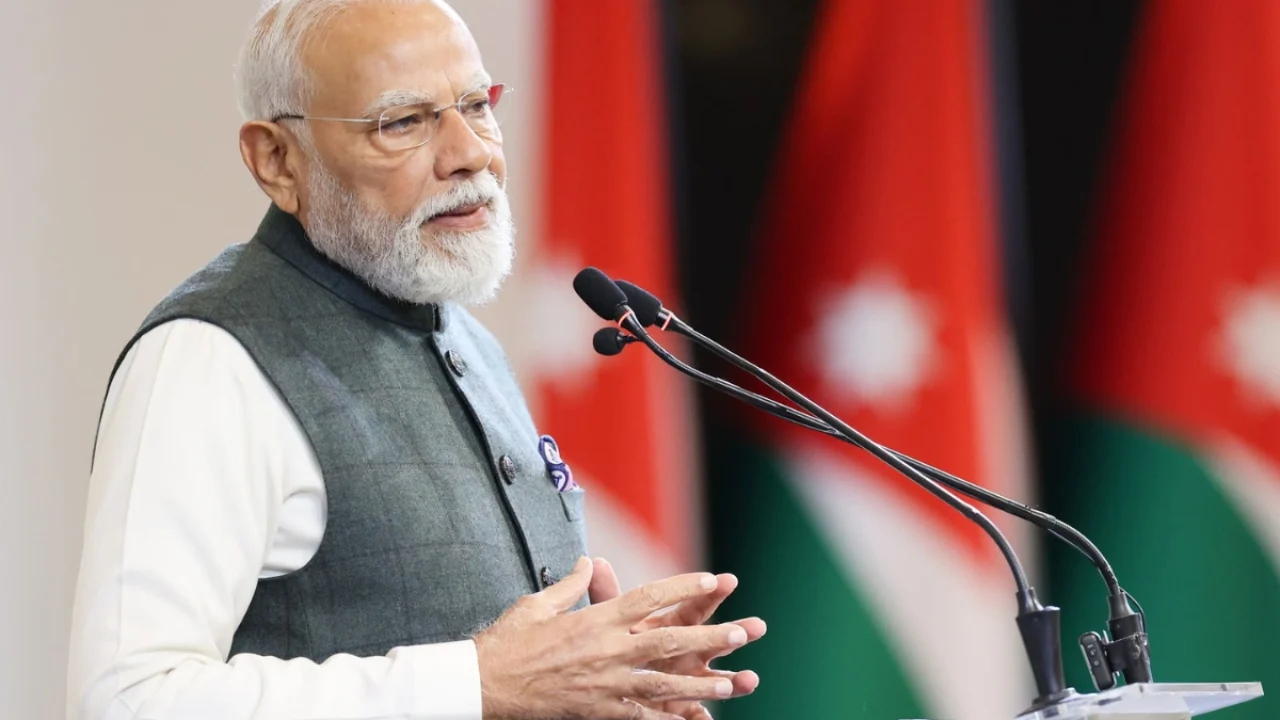
India-Jordan Trade took centre stage as Prime Minister Narendra Modi proposed a bold plan to double bilateral trade to $5 billion over the next five years. Speaking at the India-Jordan Business Forum in Amman, PM Modi called on businesses from both countries to work closely and build strong, long-term partnerships. The announcement reflects a fresh push to deepen economic cooperation and unlock new opportunities between India and Jordan.
Thank you for reading this post, don't forget to subscribe!Strong Message from the India-Jordan Business Forum
The India-Jordan Trade vision was highlighted at a high-level business forum jointly addressed by Prime Minister Modi and Jordan’s King Abdullah II. The event was attended by Crown Prince Hussein and senior ministers handling trade, industry, and investment. Business leaders from key sectors were also present.
Both leaders stressed that governments can create policies and platforms, but real growth comes when businesses connect directly. They encouraged companies to turn existing goodwill and untapped potential into real projects, investments, and jobs. The forum sent a clear message that private companies will play a leading role in shaping the next chapter of India-Jordan Trade relations.
Why the $5 Billion Trade Goal Matters
PM Modi spoke about India’s strong economic momentum, describing the country as one of the fastest-growing major economies in the world. He pointed to India’s large consumer market, stable policies, and focus on innovation as key reasons why global businesses are increasingly looking at India as a long-term partner.
King Abdullah II highlighted Jordan’s wide network of free trade agreements with global markets. He noted that when Jordan’s trade access is combined with India’s scale and production strength, it can create a powerful economic bridge between South Asia, West Asia, and other regions. This shared approach adds strategic value to the India-Jordan Trade partnership.
New Areas Opening Up for Cooperation
The India-Jordan Trade roadmap includes several fast-growing and future-ready sectors. PM Modi invited cooperation in areas such as digital public systems, information technology, fintech, health technology, and agri-tech. He also encouraged start-ups from both countries to work together and exchange ideas.
India’s strong base in pharmaceuticals and medical devices was highlighted as a key strength. At the same time, Jordan’s location makes it well placed to act as a regional hub for West Asia and Africa. This combination could help Indian companies reach new markets while supporting Jordan’s role as a regional business gateway.
Beyond technology and healthcare, leaders spoke about opportunities in agriculture, cold storage, fertilisers, infrastructure development, automobiles, green mobility, and renewable energy. Water-related solutions like desalination and recycling were also discussed, given their importance in the region. Tourism, especially heritage and cultural travel, was seen as another area with strong growth potential.
Building on Trust and Shared History
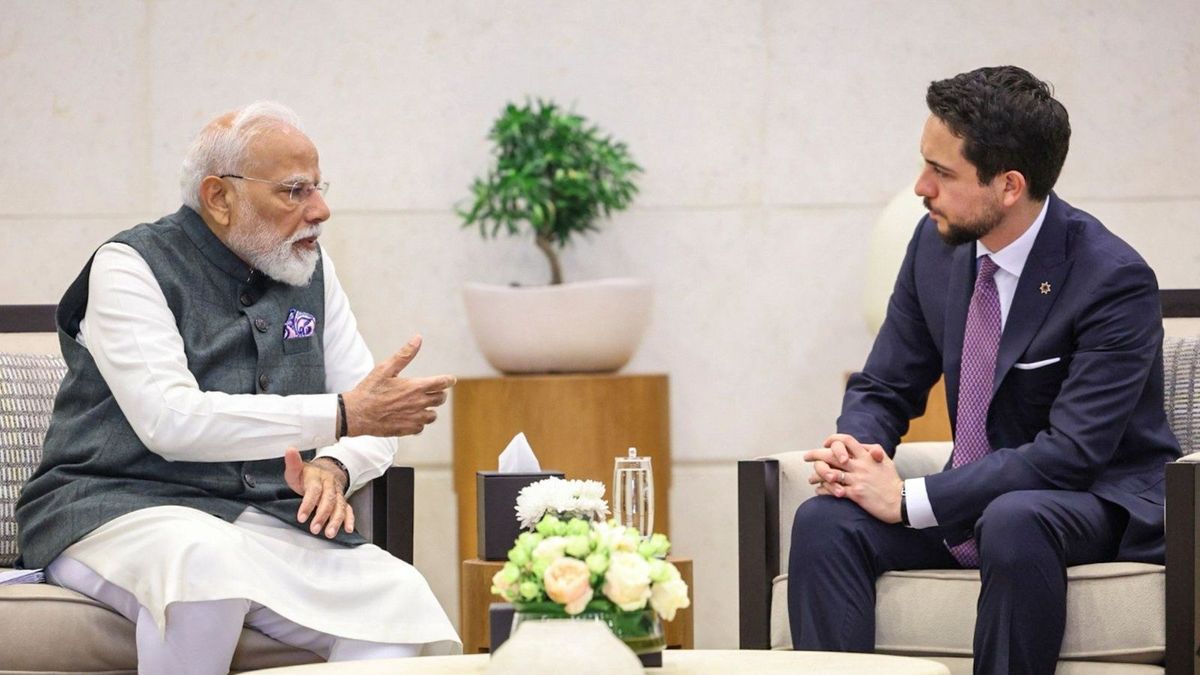
PM Modi underlined that India-Jordan trade ties are not just about numbers. He spoke about the deep cultural connections and long-standing trust between the two nations. According to him, the goal is to create partnerships that last, focusing on shared growth and mutual benefit rather than short-term gains.
The business forum saw wide participation from companies in infrastructure, health, renewable energy, logistics, manufacturing, defence, and fertilisers. This broad interest shows that the India-Jordan trade relationship is expanding across many sectors, not limited to just one or two areas.
Looking Ahead
With a clear $5 billion target, strong political support, and growing business interest, the future of India-Jordan Trade looks promising. If companies from both sides act on the opportunities discussed, the next five years could see a major rise in trade, investment, and people-to-people connections.
The forum in Amman marked more than a diplomatic event—it signalled a shared commitment to turn potential into progress and to build a stronger economic bridge between India and Jordan.