Lakkundi Neolithic Relics Strengthen UNESCO Bid: Karnataka’s Ancient Heritage Comes Alive

Lakkundi Neolithic Relics Strengthen UNESCO Bid as recent excavations in the village of Lakkundi, Karnataka, have uncovered artefacts dating back to the Neolithic period. These findings highlight the village’s ancient history and cultural richness, going far beyond its famous medieval temples. Archaeologists say the discoveries could play a key role in securing UNESCO World Heritage status for Lakkundi, showcasing its long-standing significance as a center of early human settlement and historical development.
Thank you for reading this post, don't forget to subscribe!Excavations at Kote Veerabhadreshwar Temple
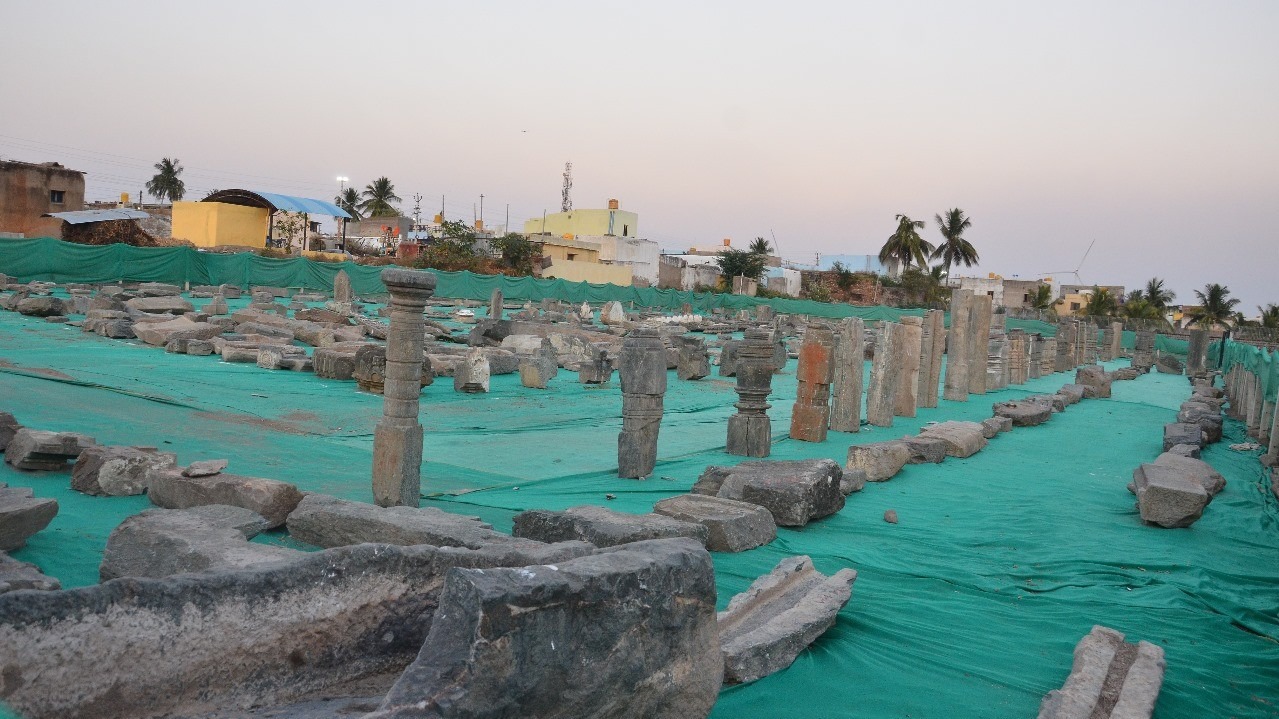
The renewed focus on Lakkundi began on January 16, when excavations commenced at the Kote Veerabhadreshwar temple premises. The site had gained attention after villagers discovered valuable artefacts while digging foundations for a house. This prompted the Archaeology Museums and Heritage Department to launch a formal excavation initiative, aiming to uncover and preserve Lakkundi’s hidden treasures.
Located around 12 kilometres from Gadag town, Lakkundi was historically renowned as the “village of hundred wells and temples.” While many of its structures remain buried beneath modern developments, archaeologists believe the area holds significant potential for further discoveries that could redefine our understanding of the region’s ancient history.
From Lokkigundi to a Medieval Power Centre
Lakkundi, historically known as Lokkigundi, appears in inscriptions dating back to the 11th and 12th centuries. These texts compare it to Amaravati, the legendary capital of Indra, emphasizing its prosperity and cultural importance. The village thrived under the rule of the Chalukya, Yadava, and Hoysala dynasties, with its economic and political influence reflected in the establishment of a “tankashale” or mint.
In 1192 AD, Lakkundi served as the capital for Hoysala ruler Eradane Ballala, marking its prominence in the Deccan region. Its strategic location, combined with fertile lands and abundant water resources, made it a hub for trade, administration, and religious activities. The discovery of Neolithic relics now suggests that the village’s significance predates its medieval prominence by thousands of years.
Religious Diversity and Architectural Legacy
Lakkundi was not only a political centre but also a spiritual one. It was the karmabhoomi of Queen Attimabbe, a renowned Jain philanthropist of the 11th century, who commissioned numerous temples, Jain basadis, and wells. Her contributions reflect a strong tradition of patronage and devotion that shaped the cultural landscape of the region.
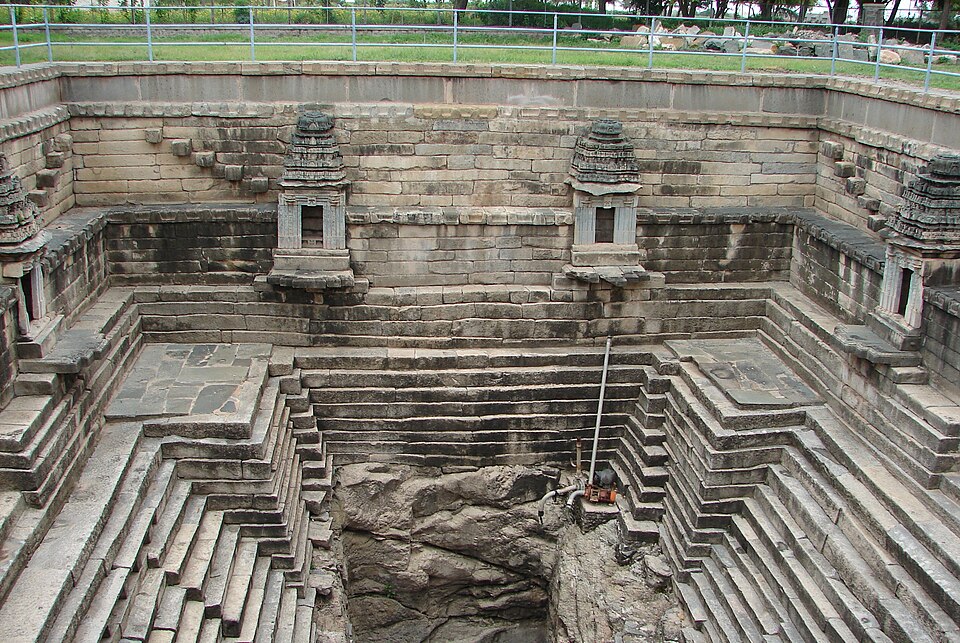
Alongside Jainism, Lakkundi nurtured the Bhakti movement, producing notable 12th-century sharanas such as Shivasharana Ajaganna and Sharane Muktayakka, followers of Basaveshwara. Although many ancient monuments have disappeared, historical records indicate that 13 temples in the Kalyana Chalukya architectural style still survive, featuring intricately carved wells and pillars that are testaments to the artistic excellence of the era.
Heritage Revival and UNESCO Push
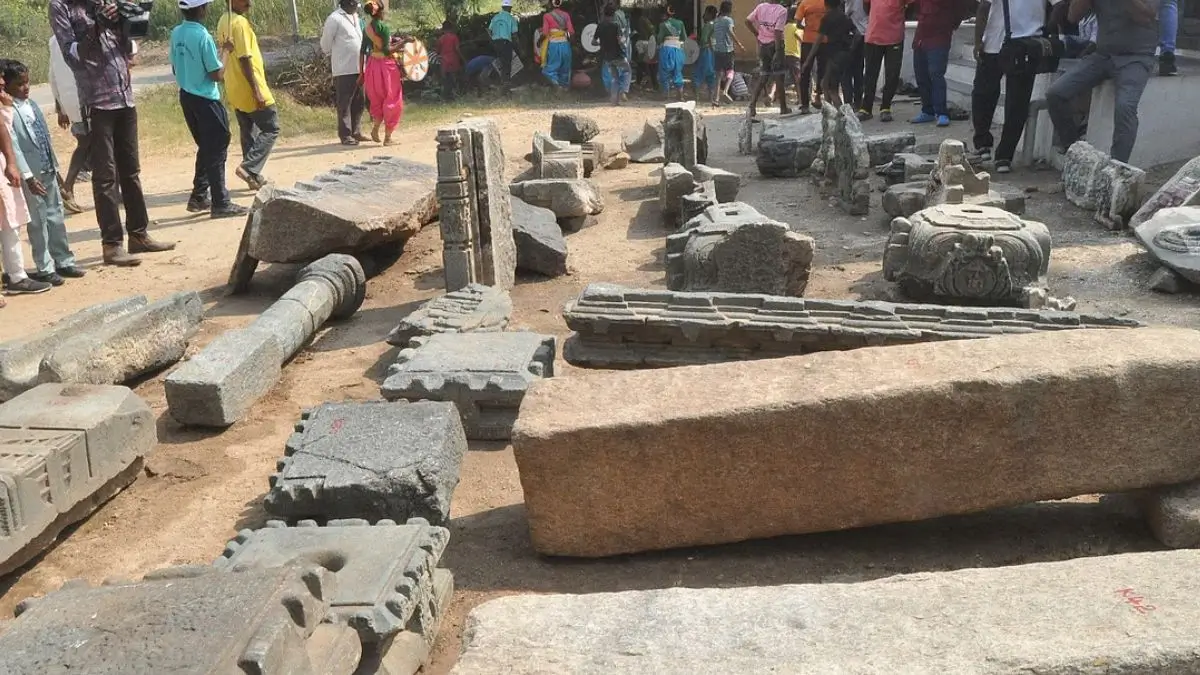
Recognizing the importance of preserving Lakkundi’s legacy, the Karnataka government has revived long-pending excavation and conservation plans. Under Tourism Minister H.K. Patil, initiatives are underway to restore the village’s historical prominence. The Karnataka State Tourism Development Corporation, along with the Archaeology Museums and Heritage Department, has collected over 1,050 artefacts from local households. Many of these artefacts are now displayed in an open museum, offering both residents and visitors a glimpse into the village’s rich past.
To further promote Lakkundi on a global platform, the state has partnered with the Indian National Trust for Art and Cultural Heritage (INTACH) to finalize a proposal for including Lakkundi and its surrounding temples in UNESCO’s tentative list. Further archaeological surveys are planned, which may expand the number of monuments considered for protection, highlighting the village as a site of both national and international importance.
Neolithic Discoveries Highlight Ancient Habitation
The recent unearthing of Neolithic relics is particularly significant as it pushes back the timeline of human activity in Lakkundi by several millennia. These artefacts suggest that the region was inhabited long before the construction of medieval temples, providing valuable insights into early settlement patterns, tools, and lifestyle. Historians believe that such discoveries could reshape the understanding of cultural continuity in Karnataka and the broader Deccan region.
Lakkundi Neolithic Relics Strengthen UNESCO Bid: A Cultural and Historical Treasure
Today, Lakkundi stands as a reminder of Karnataka’s layered history, encompassing Neolithic settlements, medieval power structures, religious diversity, and artistic achievement. Its blend of Jain, Bhakti, and architectural heritage makes it a rare site where multiple layers of Indian history converge. For residents and historians alike, the ongoing excavations and preservation efforts represent a chance to reconnect with a vibrant past and ensure that Lakkundi’s stories are told for generations to come.
With continued research, excavation, and careful preservation, Lakkundi is gradually reclaiming its place as a historical treasure. The combination of Neolithic relics, medieval temples, and evidence of royal patronage strengthens its case for UNESCO recognition, promising to put this remarkable village on the world heritage map.