Global Water Sanitation: Urgent Action Needed to Achieve SDG 6 by 2030

Global Water Sanitation remains one of the most pressing challenges in 2025, despite decades of progress. A recent joint report by the World Health Organization (WHO) and UNICEF highlights that while access to safe water and sanitation has expanded since 2000, deep inequalities persist across regions and income groups. These disparities are delaying the achievement of Sustainable Development Goal 6 (SDG 6), which aims for universal access to clean water and sanitation by 2030.
Thank you for reading this post, don't forget to subscribe!Current Status of Sanitation and Open Defecation
Over the last decade, major strides have been made in sanitation. Between 2015 and 2024, nearly 1.2 billion people gained access to safely managed sanitation services. Global coverage increased from 48% in 2015 to 58% in 2024, meaning almost 60% of the global population now uses hygienic toilets with safe waste treatment.
Developed countries have nearly universal sanitation coverage, while many middle-income regions are catching up. Open defecation has been virtually eliminated in Latin America, the Caribbean, and much of Eastern and South-Eastern Asia. Northern Africa and Western Asia have also achieved near elimination.
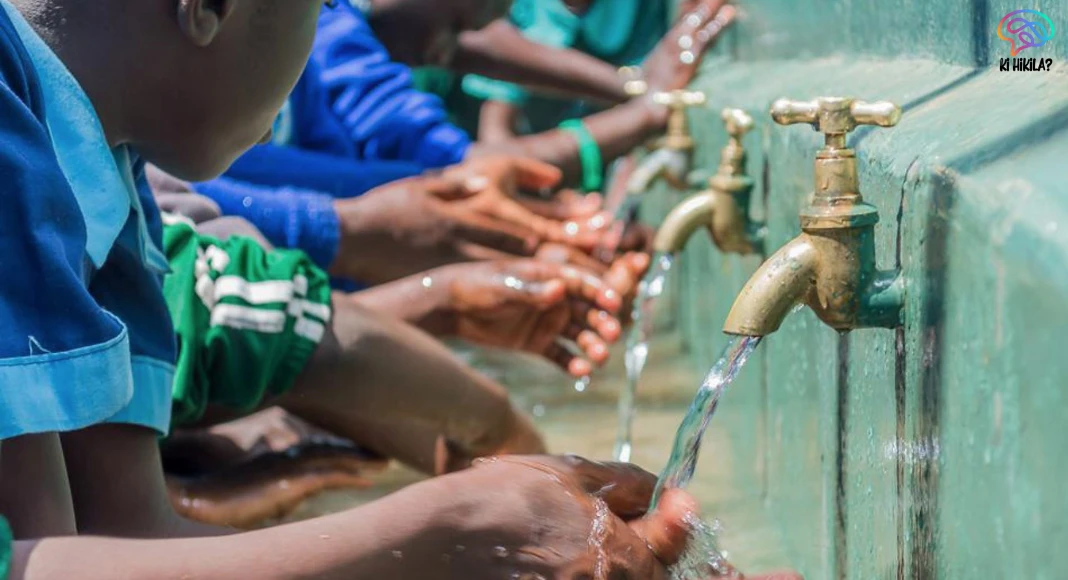
However, low-income countries remain far behind. Open defecation rates in these countries are still four times higher than the global average, creating severe health risks such as diarrheal disease, malnutrition, and waterborne infections. This sharp divide highlights the unequal progress in global water sanitation.
Drinking Water Access and Persistent Disparities
Safe drinking water is another crucial element of SDG 6. Between 2015 and 2024, global coverage for safely managed drinking water rose from 68% to 74%. Rural areas experienced the fastest improvement, climbing from 50% to 60%, while urban coverage remained steady at around 83%.
Yet, despite these gains, stark inequalities remain. People living in least developed countries are more than twice as likely to lack access to safely managed water compared to those in wealthier nations. Urban residents generally have better water access, but rural communities are narrowing the gap through investments in local water infrastructure.
These disparities illustrate that progress is uneven, and achieving true global water sanitation will require targeted interventions for rural and marginalized groups.
Inequalities in Water, Sanitation, and Hygiene (WASH)
The WHO-UNICEF report also stresses that inequalities are not only between countries but also within them. Rural households, indigenous groups, ethnic minorities, and children are disproportionately affected.
Women and girls, in particular, bear the heaviest burden. In many regions, they spend hours each day collecting water, limiting their time for education and employment. The lack of water, sanitation, and hygiene (WASH) facilities in schools further compounds gender disparities.
Communities without proper road access, households with disabled members, and those living in isolated settlements often fall outside national monitoring systems. This lack of visibility means they are frequently excluded from government-led development plans. To achieve global water sanitation, policymakers must adopt inclusive data collection strategies to ensure that no community is overlooked.
Scale of Action Required to Meet SDG 6
The report makes it clear that without accelerated action, the world is unlikely to meet SDG 6 by 2030.
- Lower-middle-income countries must double their current progress rates in water and sanitation.
- Low-income countries face even greater challenges, requiring a sevenfold increase in water access and an eighteenfold boost in sanitation and hygiene services to stay on track.
- Investments in rural and marginalized communities are essential to prevent widening inequalities.
WASH is not just a development goal—it is a basic human right. Ensuring access to safe water and sanitation has wide-ranging benefits, from reducing preventable diseases to improving education outcomes and economic productivity.
Menstrual Health Challenges
A particularly pressing aspect of the report is menstrual health. In at least 70 countries, women and girls face persistent challenges in managing menstruation safely and with dignity. These challenges exist across income levels, affecting education, health, and social participation.
Lack of adequate facilities in schools forces many girls to miss classes or even drop out entirely. Poor menstrual hygiene can also lead to infections and other health risks. Addressing menstrual health is therefore central to advancing gender equality and to achieving broader global water sanitation goals.
The Path Ahead
As 2030 approaches, governments, international organizations, and civil society face an urgent task. Expanding infrastructure for clean water and sanitation is critical, but equally important is ensuring inclusivity and sustainability. Policies must prioritize rural populations, marginalized groups, and women to close the widening gaps.
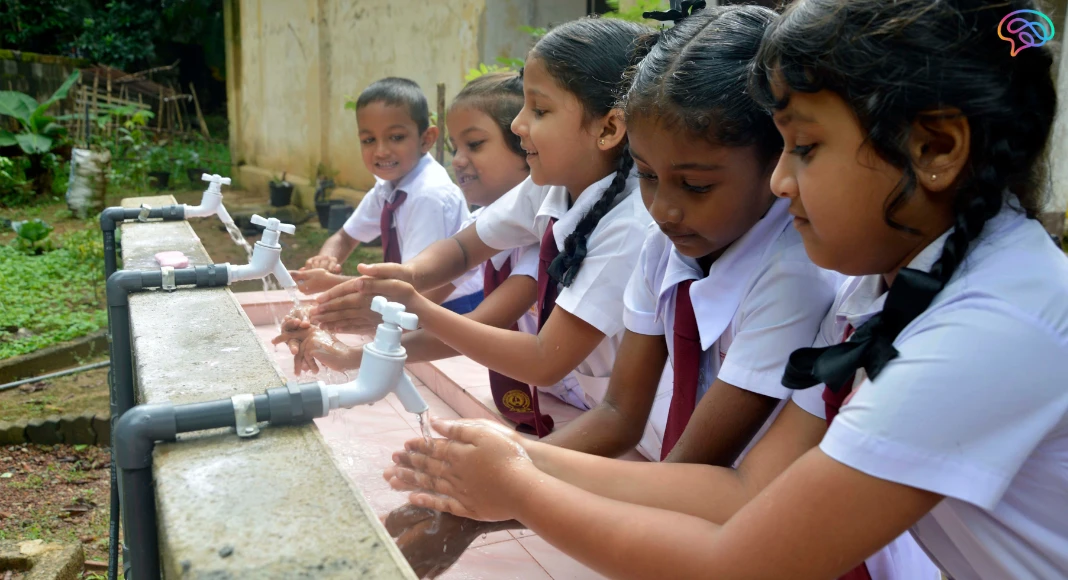
Increased financing, innovative technologies, and stronger international partnerships will be vital in scaling up progress. Beyond infrastructure, education and community-led initiatives can help change behaviors, reduce open defecation, and ensure long-term impact.
The message from the WHO-UNICEF report is clear: while progress has been made, the world must act faster and more inclusively to achieve universal global water sanitation. The next five years will be decisive in determining whether SDG 6 becomes a reality or remains an unfulfilled promise.